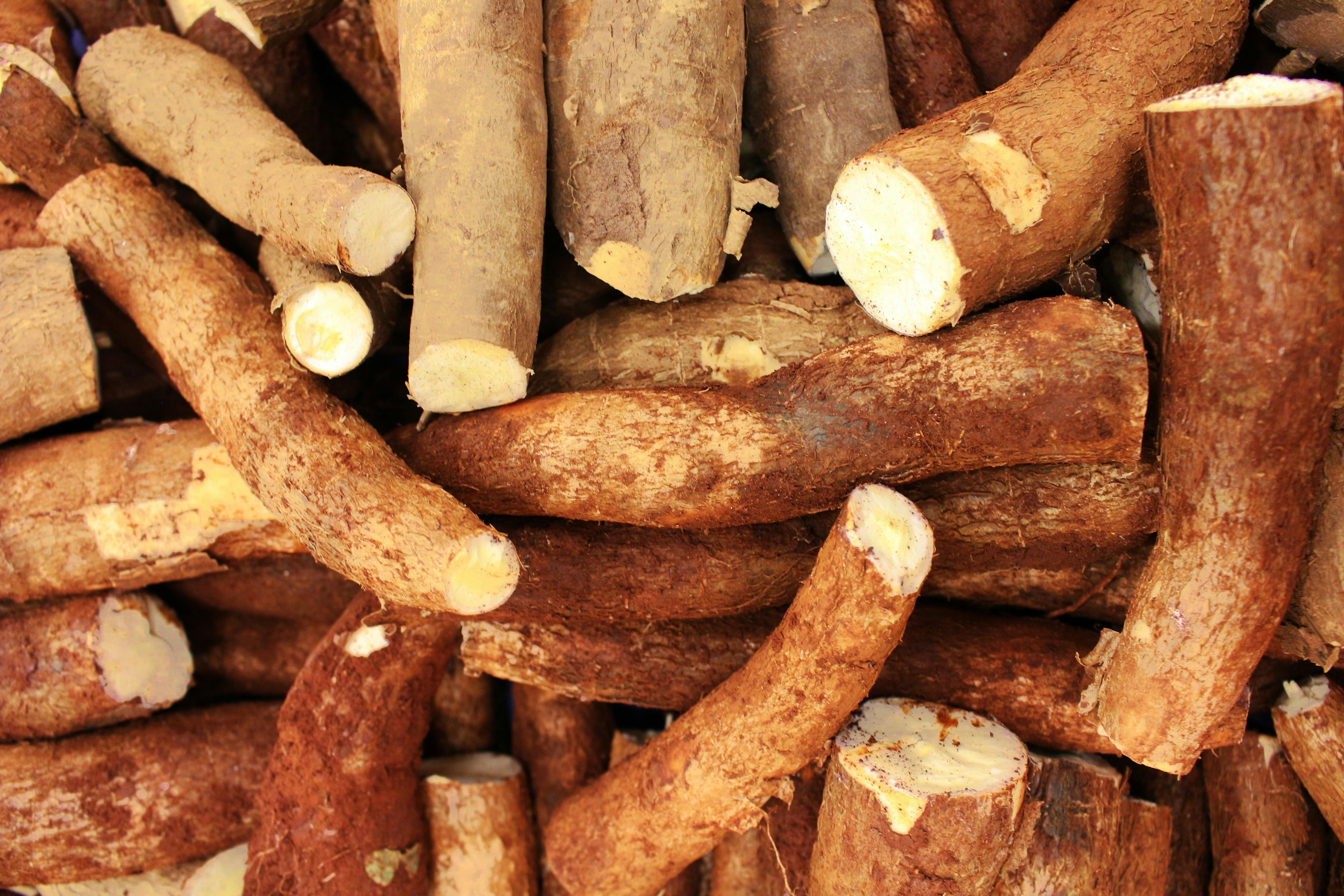
Garri (Ijebu) prices collapsed by a staggering 38.5% — equivalent to ₦877 per paint bucket — between October 2025 and February 2026, representing the most dramatic price movement across Lagos food markets during this volatile five-month period. According to FoodPrices NG comprehensive market intelligence spanning 23 markets and 208 products, this cassava-based staple crashed from ₦2,277 in October to just ₦1,400 by February, delivering unprecedented affordability gains for Nigeria's most consumed carbohydrate. The collapse stands in sharp contrast to imported rice brands that surged by double-digit percentages, creating a widening price gap between local and foreign grains that fundamentally altered household food economics across Africa's largest city.
The five-month tracking period from October 2025 through February 2026 captured 4,630 individual price points across Lagos State's most critical food distribution hubs, revealing a market in dramatic flux. FoodPrices NG data shows the Grains category experienced the most violent swings, with monthly averages oscillating from ₦12,859 in October to a peak of ₦20,254 in January before moderating to ₦7,432 by February — a 63% swing that left consumers and traders struggling to predict costs week-to-week. This volatility affected over 410 products tracked across the state's major wholesale and retail centers, with beans, rice, and garri varieties accounting for the most significant household budget disruptions during a period when Nigeria's minimum wage remained frozen at ₦70,000 monthly.
Imported Rice (Short Grain) in 25kg packaging emerged as the period's second-most dramatic price mover, surging 36.5% from ₦31,204 to ₦42,600 — an absolute increase of ₦11,396 that pushed this household staple beyond the reach of many middle-class families. The monthly progression reveals the severity of the crisis: October ₦31,204 → November ₦30,043 (-3.7%) → December ₦27,975 (-6.9%) → January ₦42,600 (+52.3%), with the final month witnessing an unprecedented 52.3% single-month spike equivalent to ₦14,625 additional cost per bag. For households consuming one 25kg bag monthly, this translates to an additional ₦11,396 annual food budget burden, representing 16.3% of the minimum wage dedicated solely to rice procurement — up from 12% in October 2025.
Brown Beans prices delivered the third-largest absolute savings to Lagos consumers, plummeting 26.3% or ₦16,367 per 50kg bag between January and February 2026 alone, as FoodPrices NG tracked this protein source from ₦62,167 to ₦45,800. This dramatic correction, equivalent to ₦1,242 per kilogram in wholesale pricing, suggests supply chain disruptions that initially drove artificial scarcity were resolved through improved distribution channels or harvest timing. Nigerian Manufactured Rice (50kg) followed a similar trajectory of initial decline followed by sharp recovery, rising 18% overall from ₦63,559 to ₦75,000, with the most dramatic movement occurring in January's 28.7% single-month surge that added ₦16,714 to wholesale costs.
Yellow and White Garri varieties both experienced significant deflation during the tracking period, with Yellow Garri (1 Paint) declining 21.1% from ₦2,142 to ₦1,689, while White Garri fell 14.2% from ₦1,865 to ₦1,600 per paint bucket. These movements represent combined monthly savings of ₦718 for households purchasing both varieties weekly, equivalent to ₦37,336 in annual household budget relief. The synchronized decline across all garri categories suggests coordinated supply-side factors — likely improved cassava harvests reaching Lagos processing centers or enhanced production efficiency — that delivered windfall gains to consumers heavily dependent on this indigenous staple. At current prices, a family of five consuming 2kg of garri daily would spend approximately ₦21,000 monthly on this single item, compared to ₦29,800 at October 2025 pricing.
Vegetables category trends revealed concerning volatility patterns, with monthly averages swinging from ₦1,875 in October to ₦2,173 in January before crashing to ₦1,257 in February — a 72% range that created planning nightmares for restaurants and caterers dependent on predictable input costs. This extreme volatility, captured across four consistently tracked vegetable products, reflects the seasonal vulnerability of perishable supply chains and the outsized impact of weather, transportation, and storage disruptions on fresh produce pricing. Sweet Potatoes, one of the few individual vegetables with multi-month tracking data, declined 10.1% from ₦730 to ₦656 per kilogram, offering modest relief to households seeking affordable nutritious carbohydrate alternatives.
Geographic analysis reveals significant market-by-market disparities that created arbitrage opportunities for informed consumers throughout the tracking period. Mile 12 Market — Lagos State's primary wholesale food distribution hub — exhibited consistent monthly declines from ₦11,192 in October to ₦9,342 in December, representing a 16.5% reduction in average pricing across 13 consistently tracked products. Oyingbo Market followed a parallel trajectory, declining from ₦9,736 to ₦8,813 over the same October-December period, while Mushin Market prices remained relatively stable around ₦9,500-₦10,000 monthly averages. These wholesale-retail price gaps suggest consumers could achieve 15-20% savings by sourcing directly from wholesale centers rather than neighborhood retail markets.
Month-by-month chronological analysis reveals distinct phases in Lagos food price evolution during this period. October 2025 established baseline pricing across categories, with relatively stable conditions prevailing. November witnessed broad-based corrections of 3-6% across most grain categories as harvest season supply reached urban markets. December continued this deflationary trend with additional 5-8% declines in rice and garri pricing. January 2026 marked a dramatic inflection point, with rice categories experiencing 15-52% spikes while garri varieties began their steep decline trajectory. February consolidated these divergent trends, with rice remaining elevated while garri reached new lows and beans corrected sharply downward.
Household budget implications of these price movements are profound for Lagos families operating on fixed incomes. A representative household consuming 50kg rice monthly, 8kg garri weekly, and 5kg beans monthly would have experienced a net monthly food cost increase of ₦3,200 between October 2025 and February 2026, despite garri and beans providing offsetting savings. This ₦3,200 monthly increase represents 4.6% of the ₦70,000 minimum wage, pushing total food expenditure to approximately 45-50% of household income for minimum wage earners — well above the WHO-recommended 30% threshold for food security. Middle-class households with higher rice consumption ratios experienced proportionally larger budget impacts.
Consumer intelligence derived from these trends suggests strategic purchasing opportunities for informed households. Garri purchases should be maximized immediately, as the 38.5% price decline represents exceptional value that may not persist into the next harvest cycle. Rice purchasing should be minimized or substituted with local alternatives, as the 36.5% price surge shows no signs of reversal based on current trajectory analysis. Beans offer mixed signals, with paint bucket sizes increasing 13.6% while 50kg bags declined 26.3%, suggesting bulk purchasing advantages for households with storage capacity. Geographic arbitrage opportunities remain substantial, with wholesale markets like Mile 12 and Oyingbo offering 15-20% savings compared to retail-heavy locations.
Structural factors driving these dramatic price movements include Nigeria's continued foreign exchange constraints affecting imported rice procurement, seasonal cassava harvest timing that flooded garri processing centers with cheap raw materials, and evolving distribution network efficiency that reduced beans transportation costs. The simultaneous decline in garri prices across all varieties suggests coordinated supply-side improvements rather than demand destruction, indicating sustainable affordability gains for consumers. Rice price spikes reflect both currency devaluation impacts on import costs and potential policy shifts affecting import licensing or tariff structures that warrant close monitoring by food security analysts.
Oils category experienced notable inflation during the limited tracking period available, with Kings Vegetable Oil (5L) rising 16.2% from ₦14,625 to ₦17,000 between January and February 2026, while Power Oil (5L) declined 4.2% from ₦14,933 to ₦14,300 during the same month. These divergent brand-specific movements within identical product categories suggest competitive dynamics or supply chain disruptions affecting individual manufacturers rather than sector-wide inflation. The ₦2,375 increase in Kings pricing represents significant household impact, as cooking oil consumption directly correlates with meal preparation frequency and portion sizes across income levels.
Protein category trends show moderate volatility, with tracked products maintaining relatively stable monthly averages around ₦5,100-₦5,800 throughout the period despite individual product variations. This stability in protein pricing provides important budget predictability for households, as animal protein typically represents 20-25% of total food expenditure for middle-class families. The maintenance of protein price stability during a period of extreme grain and vegetable volatility suggests different supply chain dynamics and potentially more efficient distribution networks for these higher-value products.
Looking ahead, current trajectory analysis suggests continued divergence between local and imported grain pricing, with garri likely to maintain affordability advantages while rice costs remain elevated pending resolution of foreign exchange and import policy constraints. The dramatic correction in beans pricing during February suggests potential supply chain improvements that could sustain lower protein costs through the coming months. Vegetable price volatility will likely persist due to seasonal growing patterns and transportation infrastructure constraints, requiring continued monitoring for household budget planning purposes. Overall, Lagos food markets are transitioning toward a two-tier system where local staples offer increasing affordability while imported alternatives become luxury items for higher-income households."
Key Findings
Garri (Ijebu) collapsed 38.5% or ₦877 per paint bucket from October 2025 to February 2026
Imported Rice (Short Grain) 25kg surged 36.5% or ₦11,396 to ₦42,600 per bag
Brown Beans dropped 26.3% or ₦16,367 per 50kg bag between January-February 2026
Grains category showed 63% volatility range from ₦7,432 to ₦20,254 monthly averages
Mile 12 Market prices declined 16.5% from October-December while maintaining wholesale advantages
Combined household food cost increased ₦3,200 monthly despite garri savings offsetting rice increases
Data Methodology
Data sourced from FoodPrices NG verified market agent reports across 23 markets in Lagos State, covering 208 product categories. Prices collected spanning October 2025 through February 2026, encompassing 4,630 individual price points. All calculations based on monthly average pricing to eliminate daily volatility noise, with percentage changes calculated from first-to-last month pricing where products have consistent multi-month tracking data.