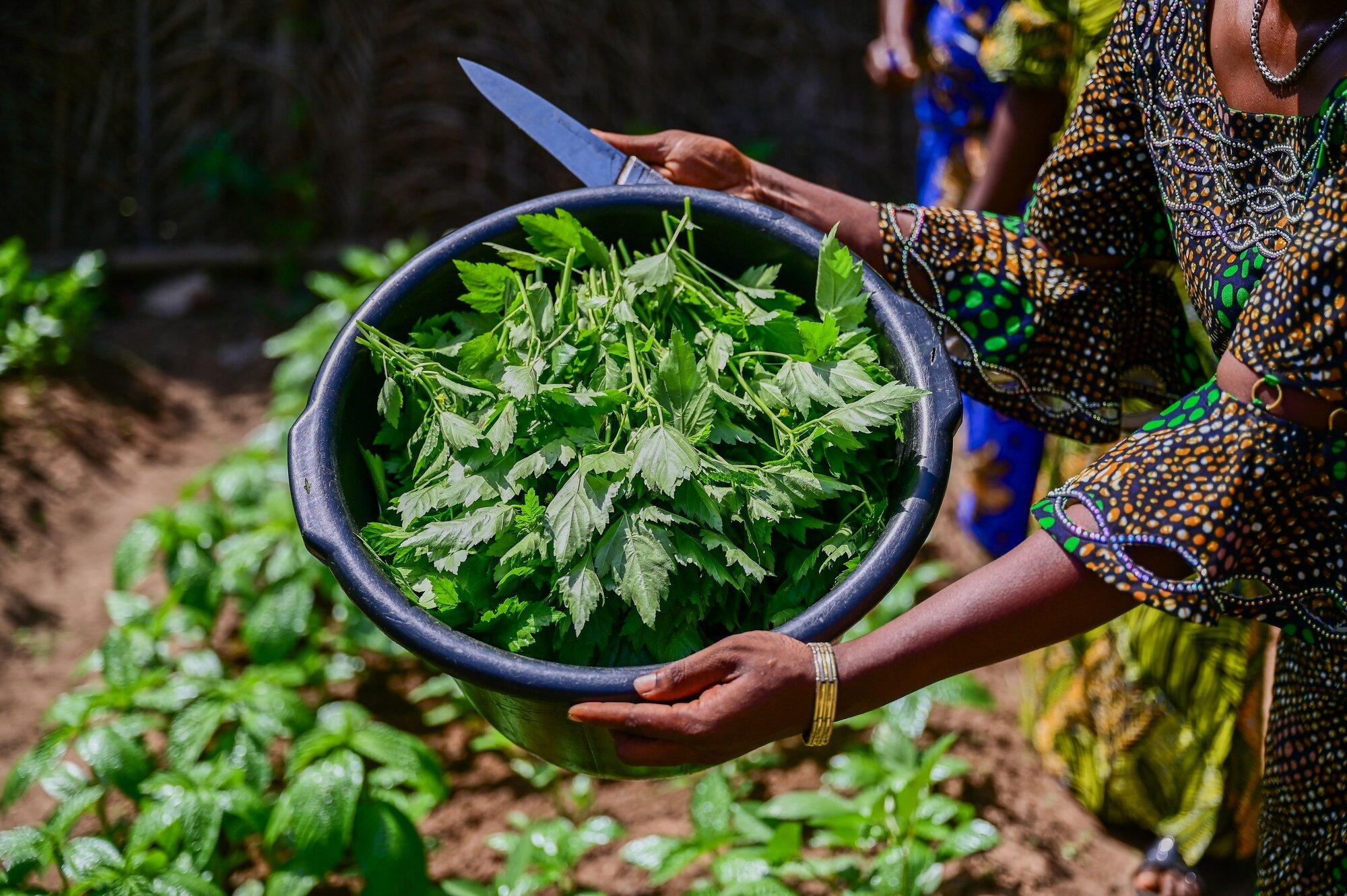
Ewedu, the slippery green soup that anchors countless meals in South-West Nigeria, is quietly turning into one of the country's most bankable small crops. Long treated as a simple kitchen staple, jute mallow, known botanically as Corchorus olitorius, is proving its worth as an income earner for growers willing to farm it with care, according to NDFR Platform.
A Crop That Pays Quickly
The appeal starts with speed. With good agronomy, farmers can begin harvesting ewedu within three to five weeks of planting, and repeated cuttings are possible over several weeks, giving growers steady cash flow rather than the long wait that most crops demand, NDFR Platform reported. The same account noted that modest capital requirements and low production costs make the crop especially attractive to small-scale farmers and young people entering agribusiness for the first time. Demand is not the problem, with ewedu remaining a fixture at homes, restaurants, buka canteens and food-vendor stalls across the country.
The Numbers Behind the Leaf
Field research points to healthy returns. A study of dry-season production in Abeokuta found that intercropping jute mallow with amaranth produced total revenue of about ₦1.6 million per hectare and a gross margin of roughly ₦567,920 per hectare, with the highest output reaching 8,000 kilogrammes per hectare, according to a paper in the Journal of Agricultural Extension. Off-season cultivation under irrigation or Fadama systems tends to fetch premium prices because supply thins out, which agronomists say makes dry-season ewedu farming one of the more lucrative windows in the calendar, NDFR Platform noted.
A Foreign Market Opens Up
The opportunity now stretches beyond Nigeria's borders. Nigerian communities in Europe and North America are driving demand for fresh, frozen and dried ewedu, opening export channels that cut local marketing risk for farmers, according to NDFR Platform. Dried export-grade jute leaf, sold internationally under names such as molokhia and Jew's mallow, has traded in a broad range of roughly $1,200 to $3,200 per metric tonne depending on quality, cut and packaging, according to sourcing data compiled by Neogric. Cleaner, better-dried product commands the stronger prices, which rewards farmers who invest in proper handling.
Why It Matters for the Pot
The rise of ewedu as a cash crop lands at a moment of stubborn food-price pressure, with the National Bureau of Statistics recording food inflation of 17.52 per cent year-on-year in June 2026, according to Premium Times. Leafy vegetables are among the items that swing sharply in price between the rainy and dry seasons, so steadier, year-round ewedu supply would help smooth one corner of the household food basket. FoodPrices Nigeria tracks verified retail prices across Lagos markets, where the value of a soup green that cooks fast and grows faster is felt in every pot.