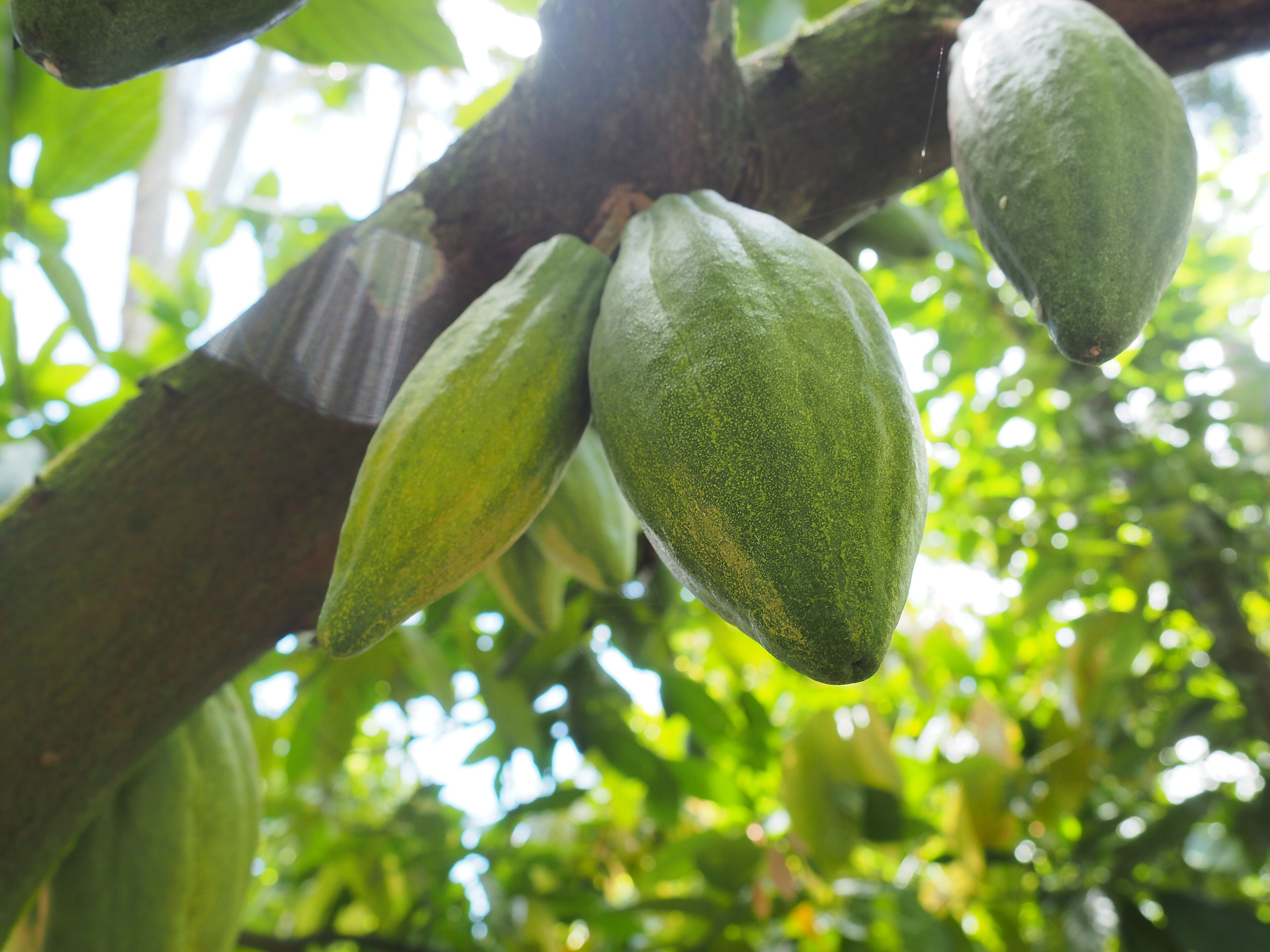
A new European rulebook on deforestation is about to reshape how Africa sells some of its most valuable crops, and Nigeria's cocoa farmers are squarely in its path. The EU Deforestation Regulation bars cocoa, palm oil, soy, coffee, rubber, cattle and wood from the EU market unless companies can prove the goods are deforestation-free and trace them back to the plot of land where they were grown, according to compliance guidance from Coolset.
The Compliance Clock
Large and medium operators must comply by 30 December 2026, with micro and small operators given until 30 June 2027, the same guidance noted, adding that a May 2026 simplification package cut compliance costs by roughly three-quarters. Even so, the heaviest burden falls on smallholders, who must supply geolocation coordinates, legality evidence and audit-ready records to keep selling into Europe.
Billions at Stake for Africa
The numbers are large. Africa's exports of EUDR-affected commodities were worth about $40.2 billion between 2021 and 2023, with more than 59 percent of the continent's cocoa and 41.6 percent of its coffee bound for the EU, and Sub-Saharan Africa risks losing up to $11 billion in export revenue a year if it cannot meet the requirements, according to a Commonwealth analysis cited by White & Case. Cocoa is Nigeria's leading non-oil export, and the rules touch its palm and rubber shipments too, putting pressure on the country to build the traceability systems that smallholders currently lack.
Export earnings shape the foreign exchange a country has to pay for imported food, which links a European forest rule to a Lagos market stall. FoodPrices Nigeria tracks verified retail prices across Lagos markets, where the ripple effects of trade shifts eventually surface.