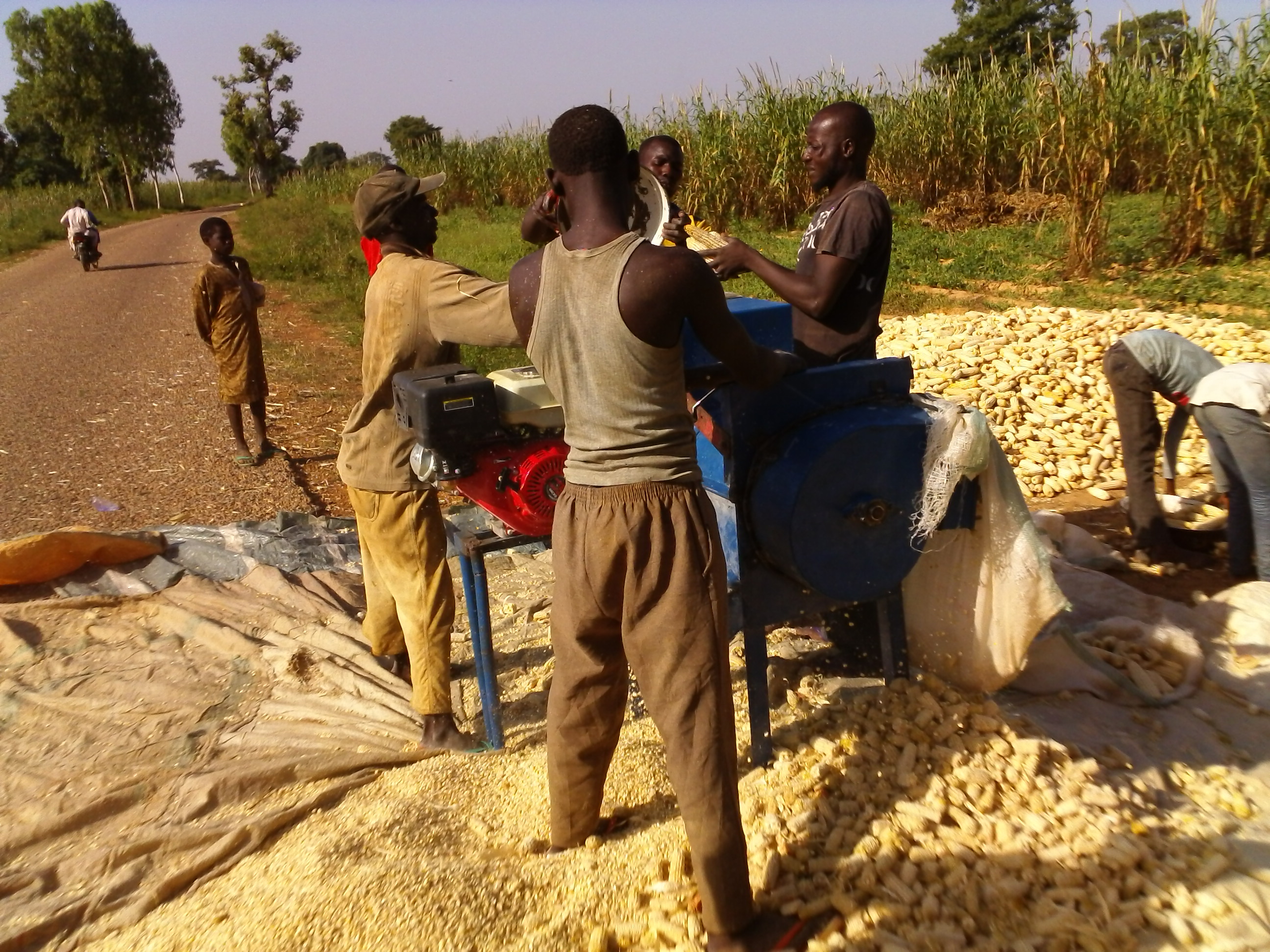
Edo State has moved from talking about food security to bringing in a harvest, beginning to reap more than 500 hectares of maize grown on its own farms. The state government started the maize harvest at Udomi Farm, with officials describing the scale of production as unprecedented and set to expand, according to the Nigerian Observer.
The State as Farmer
Beyond maize, the government said it has established cassava and rice farms at the Ekpoma settlement, with further rice and cassava production under way at Warake and Iguoriakhi, according to the Nigerian Observer. The Special Adviser to the Governor on Agriculture and Food Security, Golden Ugbodu, said the current pace of investment and production could soon let Edo feed its own population and contribute meaningfully to national supply. Direct state farming is a bet that government can de-risk large-scale production and prove the commercial case to private investors who might otherwise stay on the sidelines.
Feeding the Feed Chain
The maize harvest is aimed squarely at a bottleneck that pushes up the price of eggs and chicken. The Programme Manager of the Edo State Agricultural Development Programme, Princewill Igbinedion, said the crop would provide essential raw material for livestock producers, particularly in poultry, according to the Nigerian Observer. Maize is the backbone of animal feed, and its cost flows straight through to the protein Nigerians buy. Demand for grains like maize, rice and sorghum is projected to keep rising with the recovering naira and easing inflation, according to the United States Department of Agriculture's Foreign Agricultural Service, which keeps pressure on domestic supply.
A National Grain Ambition
Edo's farms feed into a larger federal goal. The government and the Bank of Agriculture launched a financing scheme aimed at lifting national grain output toward 25 million tonnes, distributing inputs through registered aggregators and guaranteeing minimum prices, according to Vanguard. State-run production at Edo's scale is one way that target moves from paper to the silo.
Why It Matters
Grain grown at home is a buffer against import bills and currency swings, and cheaper maize can ease the cost of eggs and chicken on every Lagos shopping list. With food inflation at 17.52 per cent year-on-year in June 2026, according to Premium Times, every additional tonne counts. FoodPrices Nigeria tracks verified retail prices for grains and proteins across Lagos markets, where the results of state farms like Edo's will show up over time.