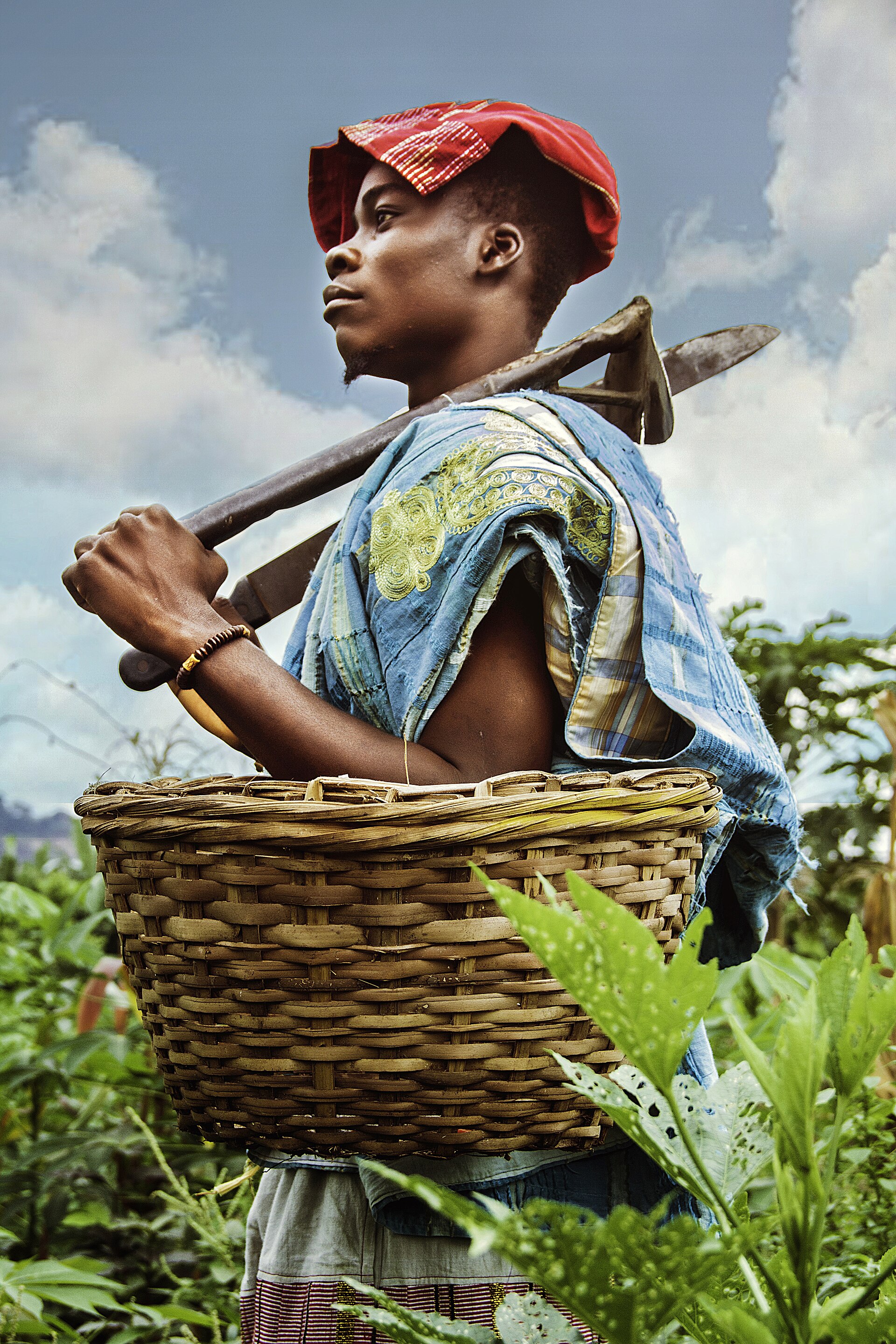
Delta State is trying to turn a generation of young people into commercial farmers, launching a programme to equip 1,000 youths with the skills and tools to build profitable agribusinesses. The Commissioner for Agriculture and Natural Resources, Val Arenyeka, opened the Wealth Creation Training in Ughelli, describing the first cohort as the opening phase of a wider push, according to Political Economist NG.
Four Value Chains to Start
The training focuses initially on four value chains, cocoa, coffee, cotton and ginger, which the state says offer strong prospects for value addition, investment and income, according to Political Economist NG. The choice is deliberate, since each crop can be processed and sold well beyond the farm gate, from cocoa beans destined for grinding to ginger that commands premium prices when dried and milled. The Special Adviser to the Governor on Agriculture, George Oyefia, who organised the exercise, urged young people in the state to embrace farming and agribusiness rather than treat it as a fallback, according to News Den Nigeria.
Beyond Subsistence
The stated aim is to move participants past subsistence plots into ventures capable of creating jobs, stimulating local production, attracting private investment and earning foreign exchange, according to Political Economist NG. The state has signalled the programme will expand to more young people and additional crops over time, a phased approach that treats this cohort as a pilot rather than a one-off ceremony.
Part of a National Youth Push
Delta's scheme mirrors a national effort to draw young Nigerians into farming by tackling the barriers that keep them out. The Federal Government launched a Youth in Agribusiness Land Trust Fund targeting 500,000 youth-led agribusinesses, with insecure access to land named as the single biggest obstacle for would-be young farmers, according to Vanguard. State-level programmes like Delta's put that ambition into practice at the community scale.
Why It Matters
More young people producing and processing food is one of the surest routes to a bigger, steadier supply. It matters now because the National Bureau of Statistics put food inflation at 17.52 per cent year-on-year in June 2026, according to Premium Times, and because Africa spent a record $122.9 billion on agricultural imports in 2022 despite its farmland, according to The Guardian. FoodPrices Nigeria tracks verified retail prices across Lagos markets and follows the schemes that widen the base of people growing the country's food.