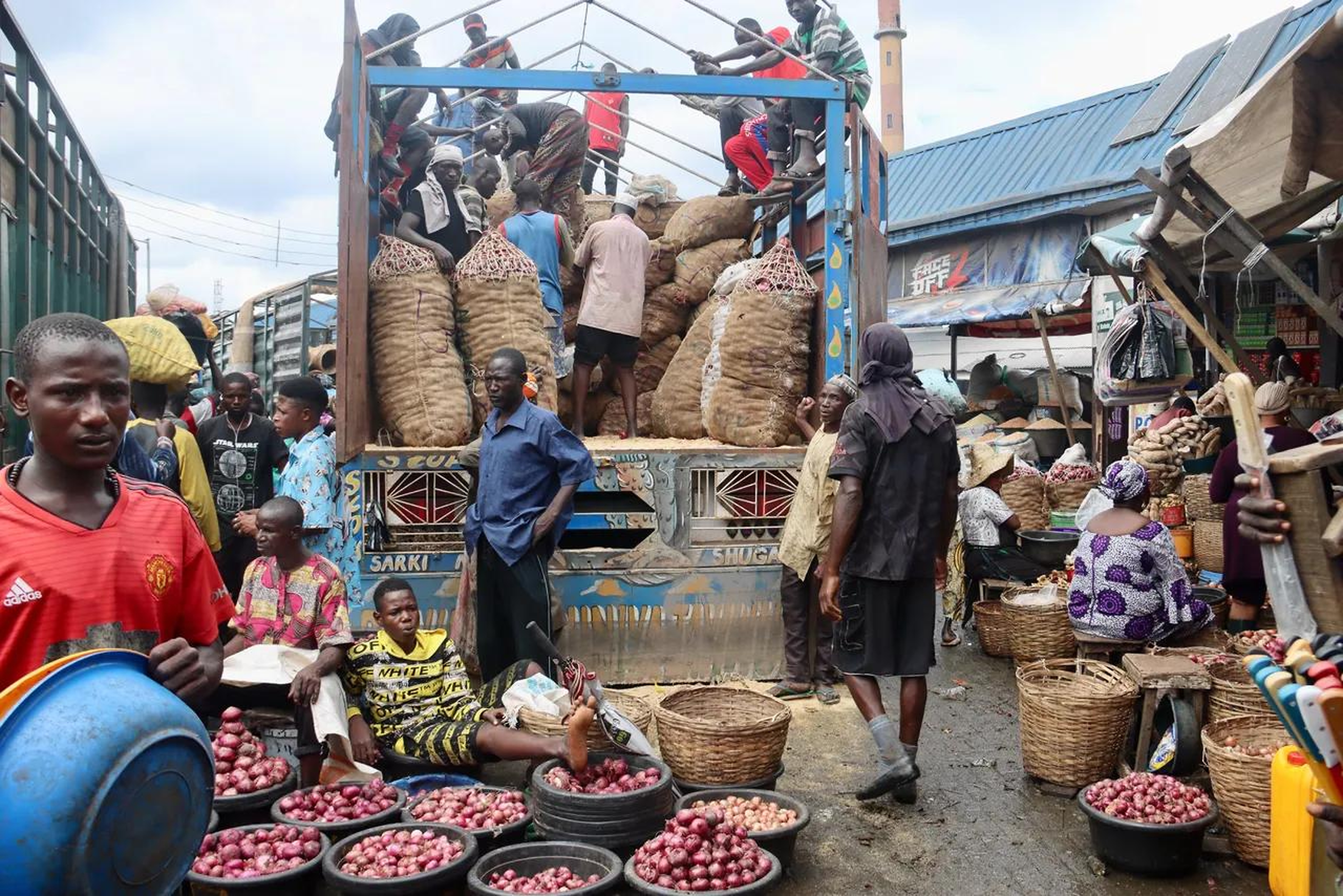
With the main harvest presenting a rare chance to boost domestic supply, the Federal Government has turned its attention to a stubborn problem: the cost of getting food from the farm to the plate. The Presidential Food Systems Coordinating Unit held the seventh meeting of its Steering Committee at the State House in Abuja, chaired by Vice President Kashim Shettima, according to Blueprint.
Coordinating the Harvest
The meeting brought together state governors, federal ministers, private-sector representatives and development partners to review Nigeria's food-systems outlook and strengthen coordination around priority areas, according to Leadership. Discussions focused on supporting farmers and domestic production, improving the movement of food from producing areas to consumers, strengthening strategic reserves and ensuring interventions reach the states, markets and communities where the need is greatest, the same report noted.
The Cost of Distribution
Crucially, the committee examined how transportation, logistics, levies and market access feed into the final cost of food, according to Blueprint, pointing to the layers of expense that pile onto a bag of grain between the farm gate and the market stall. The unit's Executive Secretary, Marion Moon, said the government would increasingly rely on data to keep interventions targeted and effective, according to Nigeria Housing Market.
Accountability on a $500 Million Programme
Shettima used the meeting to demand stronger accountability across ongoing interventions, particularly the $500 million Nigeria Sustainable Agricultural Value-Chains for Growth programme, known as AGROW, whose design and coordination phase has been completed and handed to the Federal Ministry of Agriculture and Food Security and participating states, according to AgroNigeria. He stressed that available resources must translate into tangible outcomes for farmers, markets and households, while the committee also reviewed the National Agribusiness Policy Mechanism, the National Agro-Productivity System and the National Food and Nutrition Crisis Preparedness Framework anchored in the Office of the National Security Adviser, as Nigeria Housing Market reported.
Producing more food matters little if the cost of moving it keeps prices high, which is why the focus on logistics and levies could shape what shoppers actually pay. FoodPrices Nigeria tracks verified retail prices across Lagos markets, the final point where every levy, transport charge and market fee shows up in the total.