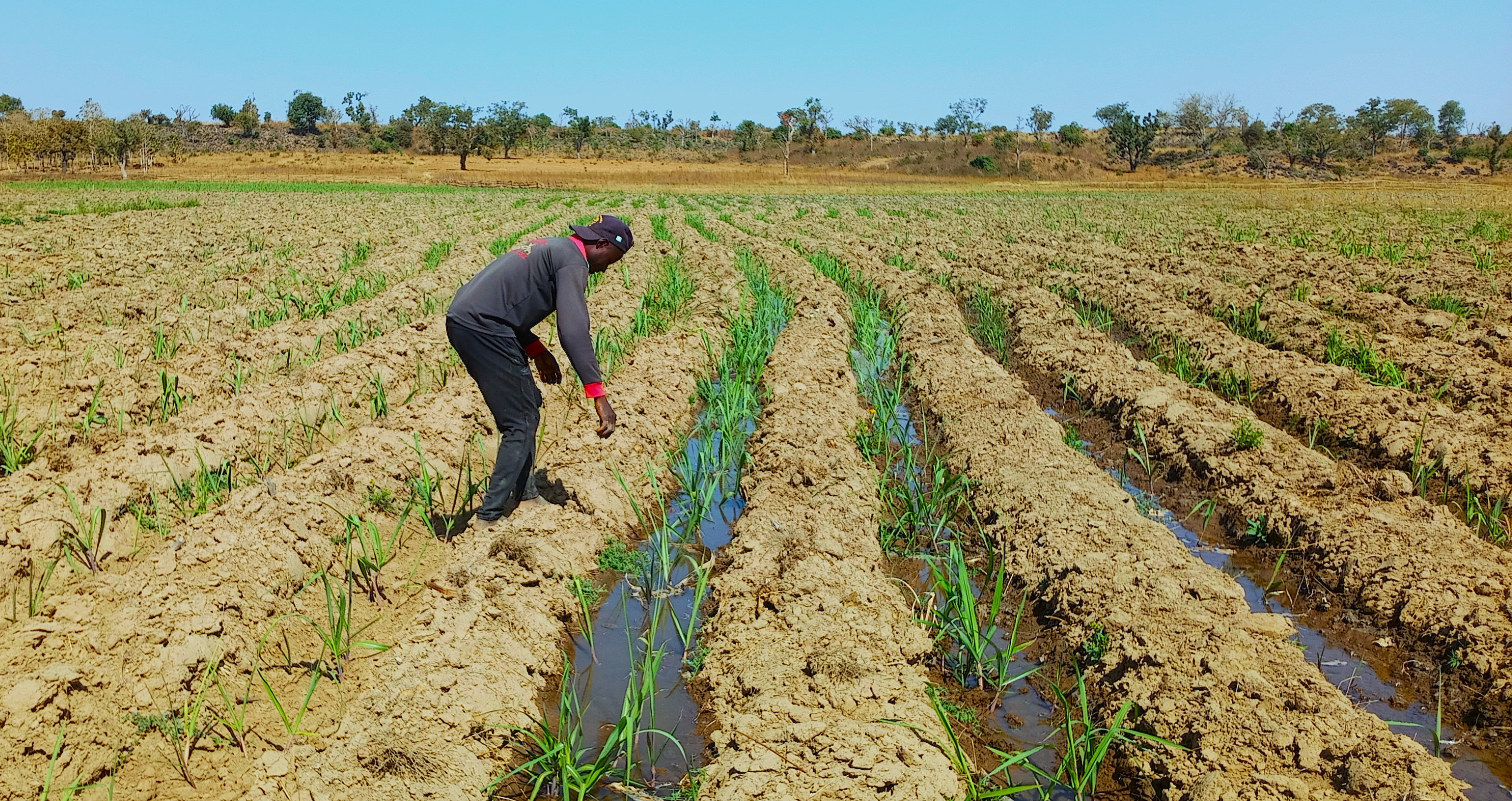
The Cross River State Government is pushing to convert agriculture from small-scale subsistence into a commercially driven sector through Project Grow, a flagship initiative launched in November 2023. Speaking in Calabar, the Commissioner for Agriculture and Irrigation Development, Johnson Andiambey Ebokpo, said the state is deliberately building a modern system organised around markets, financing and value chains, according to Nigeria Startup Act.
Unlocking Farm Credit
Access to finance remains one of the biggest barriers for smallholder farmers, and Project Grow has introduced a Cash Back Guarantee Scheme to reduce lending risks for banks. The model is expected to unlock about ₦150 billion in cumulative agricultural financing, and the project has so far facilitated over ₦3 billion, with roughly ₦1.5 billion expected to reach farmers and agribusinesses ahead of the 2026 season, the same report stated. The initiative is also working with the National Agricultural Development Fund to support 2,000 hectares of rice through input loans.
Value Chains and Training
Project Grow operates across several value chains, with rice, maize, cassava, aquaculture and animal fodder as primary focus areas and soybean, cowpea, sorghum, groundnut and orange-fleshed sweet potato as secondary chains, according to Nigeria Startup Act. More than 5,300 farmers have been trained on good agricultural practices and financial literacy through a partnership with the German-funded organisation AFOS, and the project plans to cultivate about 1,000 hectares of soybean in the 2026 season.
Financing is often the difference between a good harvest and a lost one. FoodPrices Nigeria tracks verified retail prices across Lagos markets, and state schemes that expand production capacity feed into the national supply that ultimately determines what households pay.