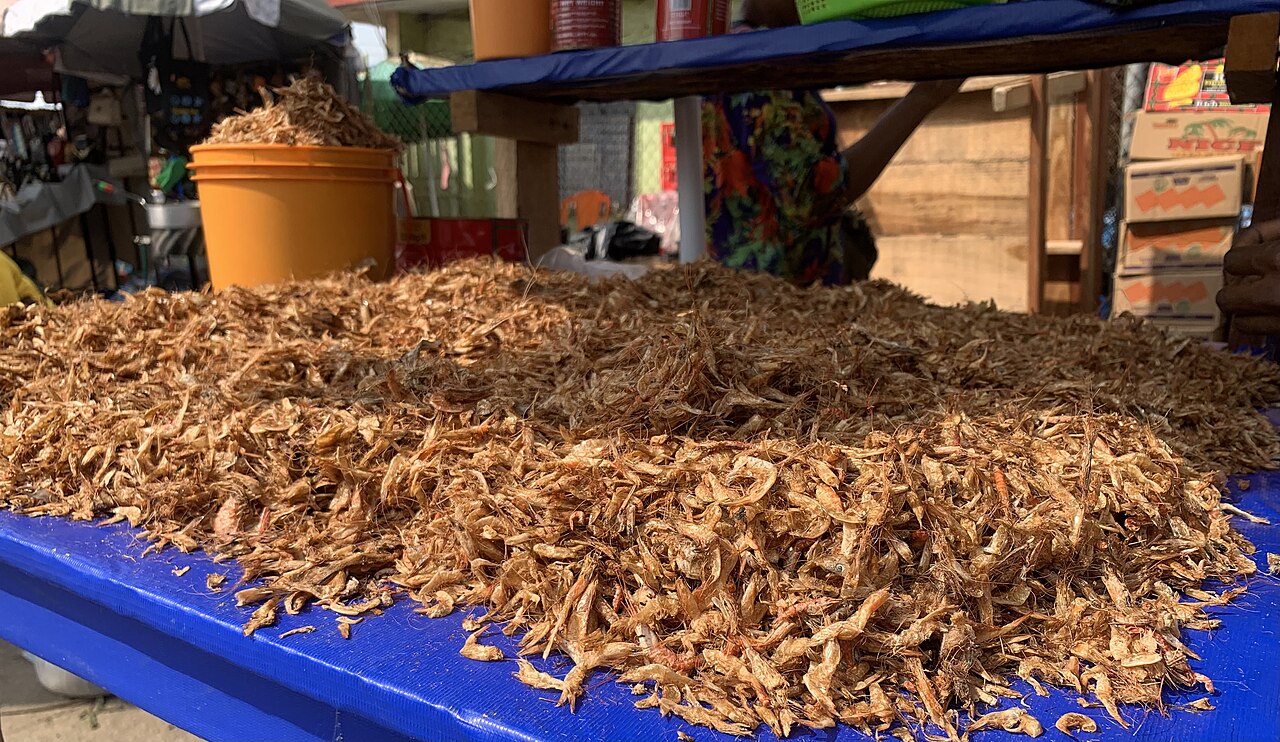
Crayfish, the small dried shellfish that lends its distinctive flavour to soups and stews across Nigeria, has become a luxury on many kitchen shelves. A paint bucket that sold for ₦4,000 to ₦5,000 in 2025 rose sharply to between ₦12,500 and ₦14,000 in 2026, while a full bag that once cost about ₦40,000 now sells for ₦75,000 to ₦80,000, according to a market survey by the News Agency of Nigeria reported by Premium Times. A derica cup has climbed from about ₦1,000 to as much as ₦4,000 in some markets, the same survey found.
Scarcity From the Rivers
Traders trace the surge to inconsistent supply from the coastal communities where crayfish is harvested. Limited output from riverine areas in Bayelsa, Rivers, Cross River and Akwa Ibom states, combined with rising logistics costs, has kept prices high since 2025, according to Premium Times. At Oyingbo Market in Lagos, a trader said the quantity received often cannot meet customer demand, and that off-season supplies arrive smaller and less fresh, the report noted. Harvesting typically peaks during the dry season between November and March, so the rainy months tighten supply further.
A Long Chain of Hands
Part of the price is built on the journey from creek to pot. A wholesaler blamed the persistent increases on the many middlemen the product passes through before reaching consumers, with each adding a margin, according to Premium Times. Fear of spoilage and fluctuating prices have also pushed some traders to buy smaller quantities, thinning stocks on market tables. Late in 2025, traders in Ikorodu, Oyingbo and Surulere had already warned that a paint bucket could reach ₦15,000 to ₦20,000 if fuel costs, poor roads and seasonal shortages persisted, according to Nairametrics.
Households Feel the Pinch
The result is a staple that families increasingly ration. Crayfish remains central to Nigerian cooking for the depth it adds to soups, yet consumers with weaker purchasing power are buying less, according to Premium Times. Prices also swing by geography, with coastal states such as Akwa Ibom and Rivers offering fresher supply at lower cost than inland cities where transport adds to the bill, according to a market review by Kashgain.
Crayfish is one of the proteins FoodPrices Nigeria tracks across Lagos markets, and its climb shows how a shortage in the creeks of the south becomes a heavier bill in a Lagos kitchen.
#Crayfish, #Seafood, #FoodPrices, #FoodSecurity, #Nigeria, #Lagos, #Protein, #Agriculture, #Markets, #Households