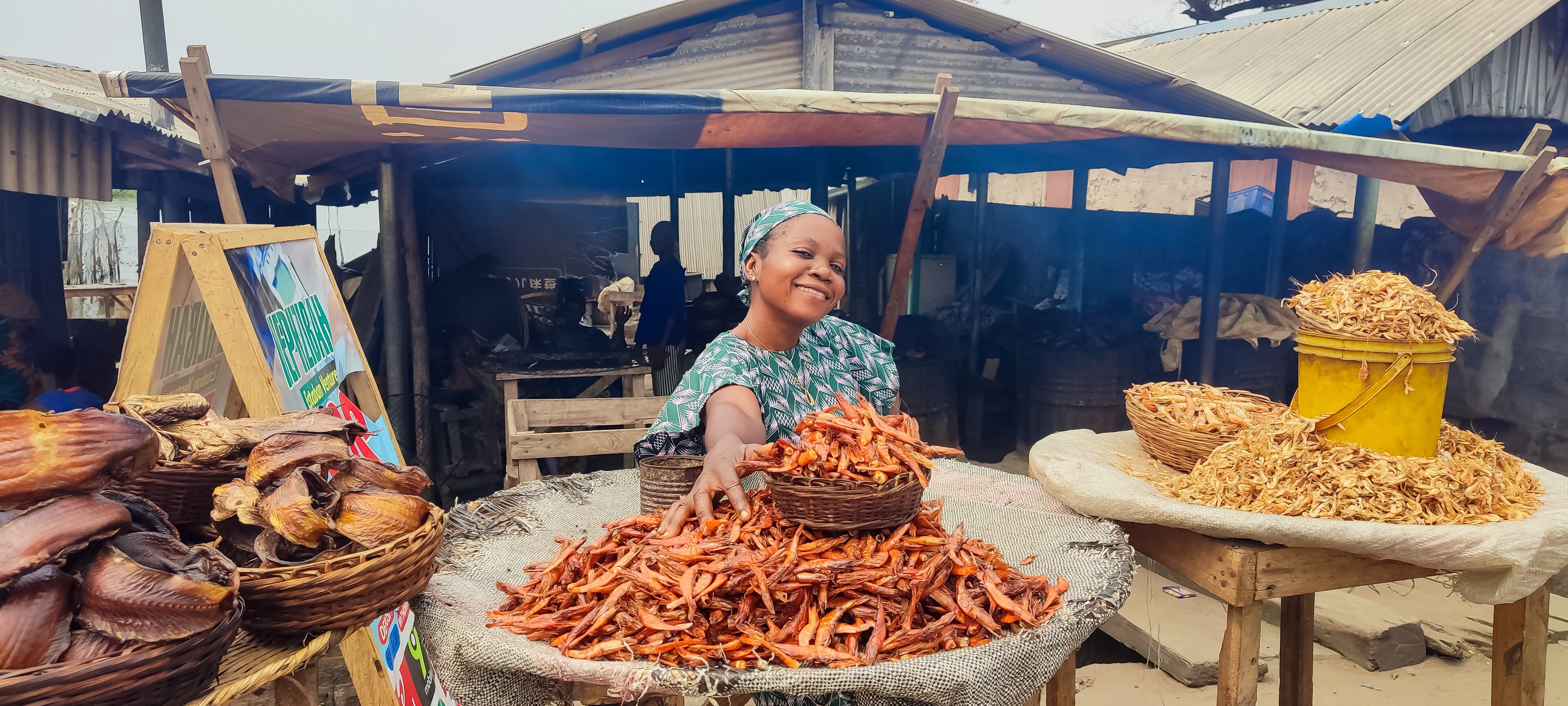
Crayfish is one of those ingredients few Nigerian cooks will start a pot of soup without, yet it has quietly become one of the most punishing items on the shopping list. Prices have climbed steadily and stubbornly, and traders across Lagos markets have warned that the popular dried shellfish shows little sign of easing, according to Nairametrics.
A Steep Climb
The scale of the increase is stark. A paint bucket of crayfish that sold for between ₦4,000 and ₦5,000 in early 2025 later rose to between ₦12,500 and ₦14,000, while a full bag that once went for about ₦40,000 climbed to between ₦75,000 and ₦80,000, and a derica cup jumped from around ₦1,000 to as much as ₦4,000 in some markets, according to a market survey by the News Agency of Nigeria reported in Premium Times. Traders at markets in Ikorodu, Oyingbo and Surulere reported near-weekly increases through the last quarter of 2025, with some predicting a paint bucket could reach ₦15,000 to ₦20,000 during the dry-season peak, according to Nairametrics.
Why Supply Keeps Falling Short
The core problem is that Nigeria still leans almost entirely on the wild catch. Limited supply from the riverine communities of Bayelsa, Rivers, Cross River and Akwa Ibom, combined with rising logistics costs, has kept prices elevated since 2025, according to Premium Times. Traders point to fuel price hikes, high transport charges and poor road networks as constant pressures on the price of moving the seafood from the creeks to inland markets, according to Nairametrics. A wholesaler quoted by Premium Times added that the catch passes through several hands before reaching consumers, with each middleman adding a margin that swells the final price.
The Case for Farming It
Because crayfish harvesting peaks during the dry season from about November to March, supply and prices swing sharply through the year, according to a market review by Kashgain. The same review argued that developing crayfish aquaculture, alongside better transport, storage and quality oversight, could reduce the country's dependence on wild catch and steady supply across the seasons. For now, many households are simply using less, stretching a scarce ingredient across more meals to cope with the cost.
Crayfish is one of the proteins that shapes the true cost of a Nigerian meal. FoodPrices Nigeria tracks verified retail prices across Lagos markets, where the squeeze on this riverine staple is felt one paint bucket at a time.
Note: This piece discusses market prices reported by external outlets and does not draw on the FoodPrices Nigeria database.