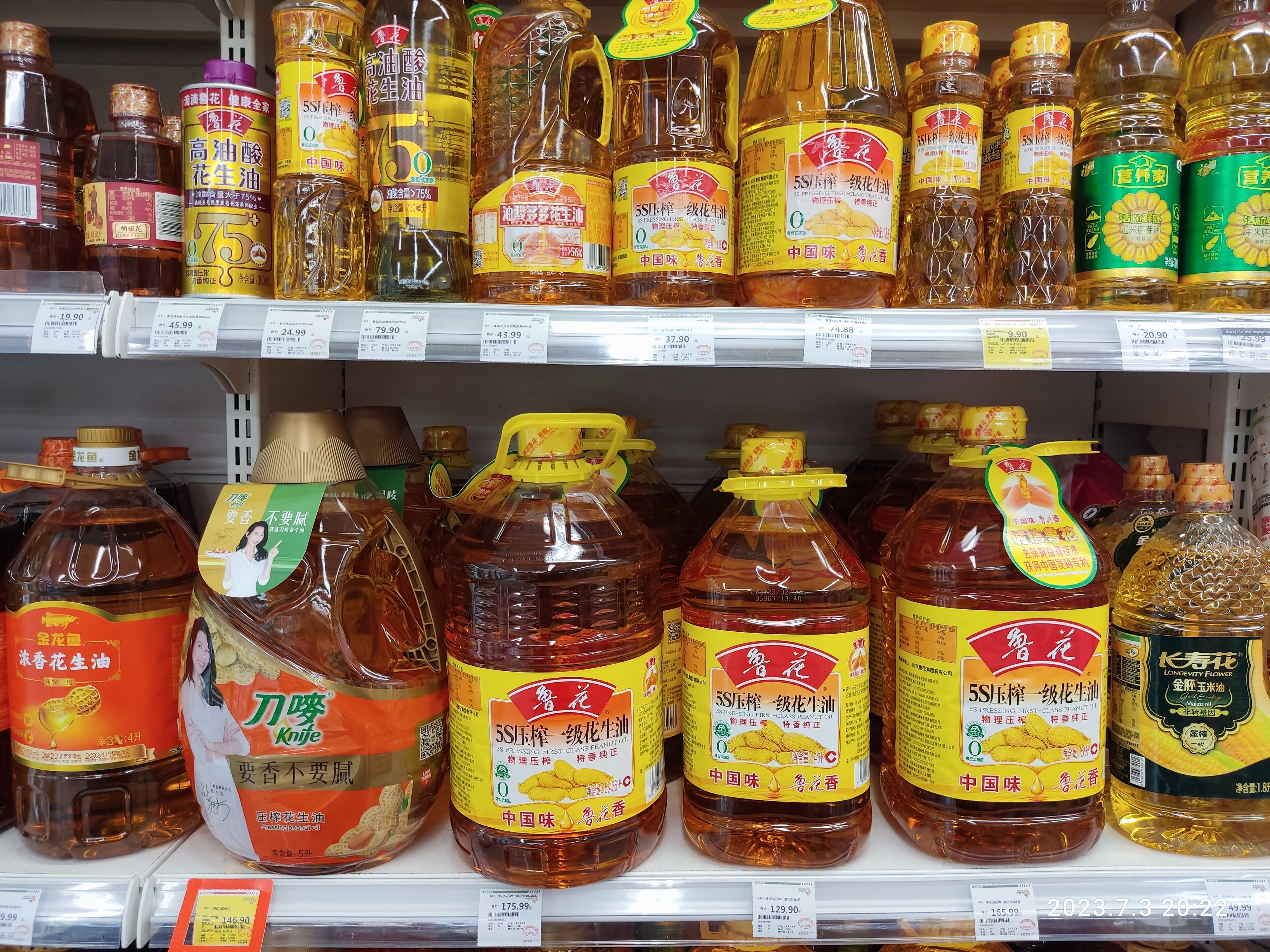
The oil that fries akara and stews across Lagos is caught in a global tug-of-war between the food pot and the fuel tank, and prices are rising because of it. The FAO Vegetable Oil Price Index averaged 192.0 points in June, up 3.8 percent on the month and 23.3 percent higher than a year earlier, driven by firmer palm and rapeseed oil quotations, according to the Food and Agriculture Organisation.
Fuel Versus Food
The index reached its highest level since July 2022 earlier in the year, lifted by palm, soy, sunflower and rapeseed oils, as the FAO reported. The core driver is biofuel, with FAO chief economist Máximo Torero explaining that higher crude oil prices are increasing demand for biofuels and putting additional pressure on vegetable oil markets, according to Food Ingredients First. Expectations of tighter palm oil exports from Indonesia, on stronger domestic biodiesel demand, have added to the pressure.
A Direct Hit for Nigerian Kitchens
Cooking oil is one of the most import-exposed items on a Nigerian shopping list, since the country buys large volumes of refined vegetable oil to supplement local palm output. When the world price of the raw material climbs, the cost of a bottle of vegetable oil on a Lagos shelf tends to follow, especially once a weaker naira is factored in. The squeeze is compounded by the same Strait of Hormuz energy disruptions lifting fertiliser and freight costs across the food system, as the FAO has noted.
Oils are a core part of what FoodPrices Nigeria tracks, from Kings Vegetable Oil to palm oil, across Lagos markets. A four-year high in the world oil market is an early warning for what households will pay to cook.