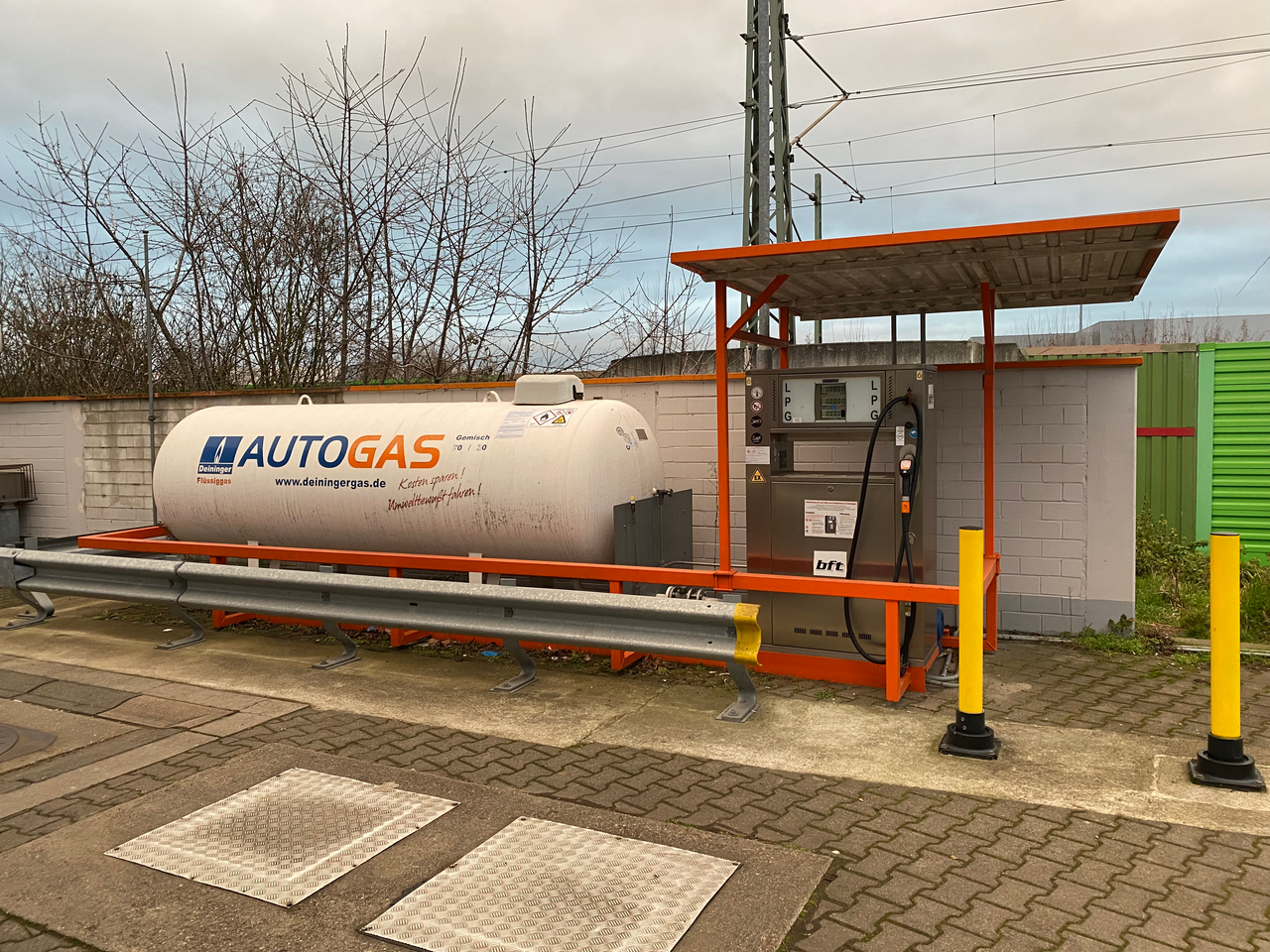
Cooking gas is the quiet line item in the true cost of a Nigerian meal, powering the kitchens of most urban households and the pots of countless roadside food vendors. In 2026 that cost has swung sharply. Prices first climbed steeply, then eased, leaving families and small food businesses to absorb the whiplash.
A Punishing Climb
By late May, cooking gas, formally liquefied petroleum gas, had reached as high as ₦2,000 per kilogram in parts of Lagos and Ogun, forcing households to ration supply and adjust family meal patterns, according to The Guardian. A standard 12.5kg cylinder cost between ₦22,500 and ₦25,000 to refill around the Eid el-Kabir period, a heavy burden on families and on food vendors who depend on gas for daily operations, according to Daily Trust. The rise capped a long climb, with the fuel jumping more than 800 per cent over a decade, from roughly ₦600 per kilogram in 2018 to about ₦1,400 in 2025 before pushing higher, according to Legit.ng.
Gas at Home, Gas Abroad
The paradox is that Nigeria holds Africa's largest natural gas reserves yet many homes can barely afford the fuel. Industry operators say the problem is not production but how little gas is set aside for local use, with more than 60 per cent exported in the first three months of the year, according to data cited by Legit.ng. Analysts have pressed the government to impose firm domestic supply obligations so households share in the resource.
A Sharp Turn
Relief then arrived from an unexpected direction. Cooking gas prices fell to between ₦1,100 and ₦1,550 per kilogram as imports surged about 1,400 per cent to 1.5 kilotonnes a day in June, bringing a 12.5kg refill down to between ₦13,750 and ₦19,300, according to Legit.ng. Marketers say more is possible, with the Nigerian Association of Liquefied Petroleum Gas Marketers projecting retail prices could ease to between ₦900 and ₦1,100 per kilogram by the end of 2026 if reforms boost supply, according to Gazette NGR. The association noted that the Dangote refinery and Nigeria LNG supplied about 87 per cent of the domestic market in 2025, and that storage remains concentrated in the south, raising distribution costs in the north.
Why It Reaches the Plate
When gas is dear, the cost lands on food. Higher energy prices push some households back toward firewood and charcoal and force food vendors to raise prices, and affordable cooking fuel is central to both nutrition and small-business survival, with nearly one billion people across Africa still lacking access to clean cooking solutions even as the African Development Bank rolled out a new clean cooking programme, according to Daily Trust. FoodPrices Nigeria tracks verified retail prices across Lagos markets, where the cost of the fuel that cooks the food is part of the real price of every meal.
#CookingGas, #LPG, #FoodPrices, #Nigeria, #Lagos, #Households, #Energy, #CostOfLiving, #FoodVendors