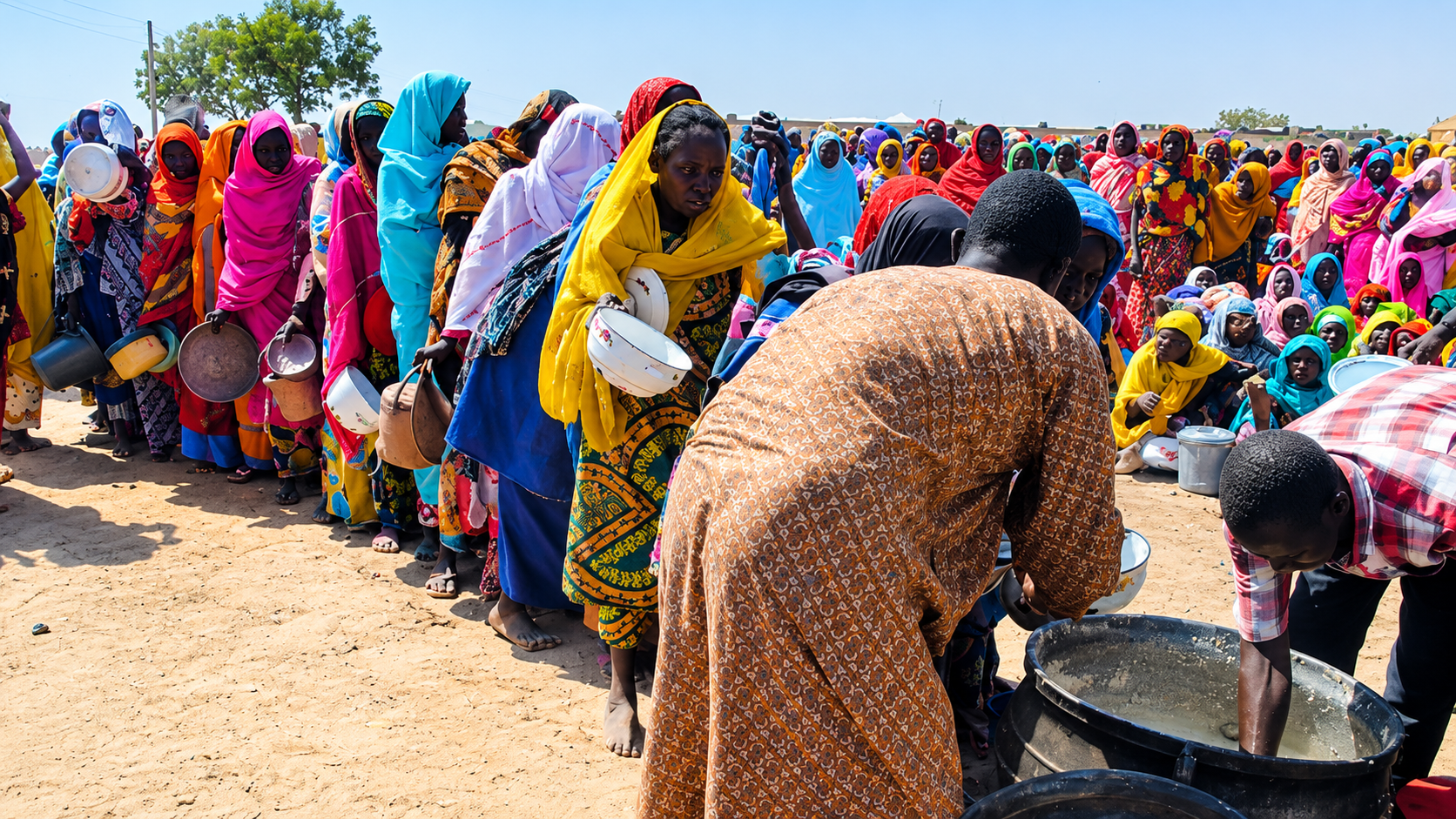
Emergency-level hunger is holding on in the worst conflict-affected parts of Nigeria's North East even as the main harvest approaches, according to the latest food security outlook update. The analysis places several local government areas of Borno State in Emergency conditions, the second most severe classification on the international scale, as restricted movement stops households from reaching farmland and markets in Abadam, Bama, Guzamala, Kukawa and Marte, according to FEWS NET.
Crisis Spreads Across the North
Beyond those hotspots, Crisis conditions persisted through August and are expected to continue across much of northern Nigeria into January 2027 as conflict disrupts livelihoods, markets and farming, the same outlook noted. Suspected bandits and other armed groups have sustained attacks on farming communities in Benue, Borno, Kaduna, Katsina, Kwara, Niger, Plateau, Sokoto and Zamfara States, driving abductions, destroying farmland, imposing levies and, in some places, banning cultivation outright.
A Harvest Interrupted
The timing could hardly be worse. The disruption has fallen during the critical planting and harvest window, suspending production of maize, yam, rice, cassava, potatoes and vegetables and threatening both household incomes and national food availability through the outlook period, according to FEWS NET. When farmers cannot safely reach their fields, the shortfall eventually ripples far beyond the affected states.
Warnings That Preceded This
The outlook confirms fears flagged earlier in the year. The Food and Agriculture Organisation and its partners had projected that about 35 million Nigerians could face acute hunger during the June to August 2026 lean season without urgent intervention, according to Leadership, a figure broadly in line with the Cadre Harmonisé estimate of 34.7 million people at risk across 27 states and the Federal Capital Territory, according to The Guardian. Both assessments named insecurity, displacement and climate shocks as the main drivers.
Why It Reaches the Whole Country
The northern farm belt supplies grains and other staples consumed nationwide, so violence there feeds into supply and prices across Nigeria. Food remains the heaviest pressure on household budgets, with food inflation at 17.52 per cent year-on-year in June 2026, according to Premium Times.
FoodPrices Nigeria tracks verified retail prices for grains and staples across Lagos markets, where shortfalls from the conflict-hit north eventually surface in what households pay.