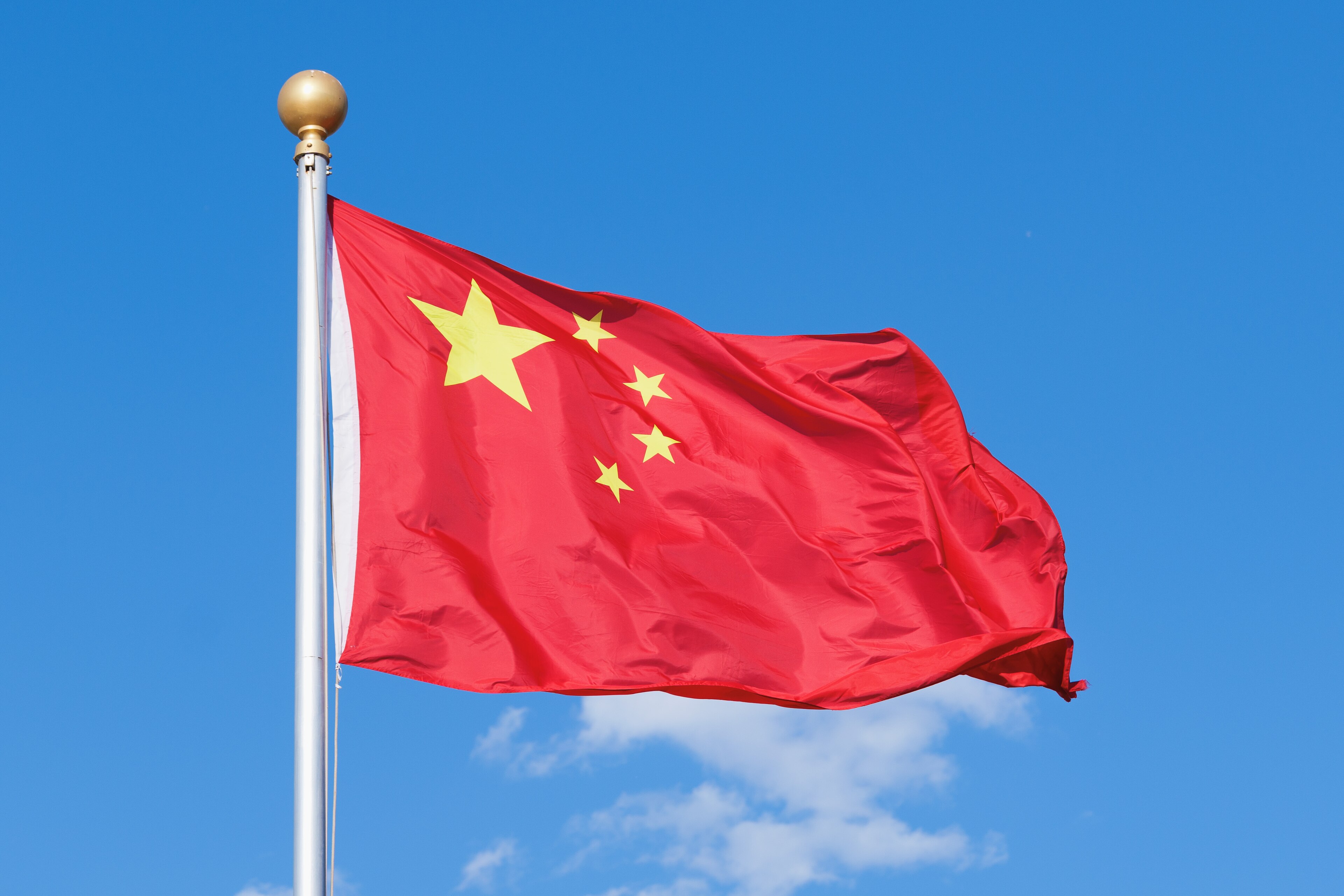
China has thrown open its vast market to African goods, scrapping import duties on almost everything the continent sells it. Starting May 1, 2026, China extended zero-tariff treatment to 100 per cent of tariff lines for all 53 African countries with which it has diplomatic ties, according to China Daily. The move builds on an earlier step in December 2024 that granted duty-free access to 33 African least-developed countries, and now extends it to larger economies including Nigeria, Kenya, Egypt and South Africa, as African Business reported.
What It Means for Nigeria
The commercial logic is straightforward, since removing tariffs lowers the landed cost of African exports and makes them more competitive against rival suppliers. China's commerce ministry said products such as cocoa from Côte d'Ivoire and Ghana, coffee and avocados from Kenya, and citrus and wine from South Africa had previously faced duties ranging from 8 to 30 per cent, according to the Chinese government. For Nigeria, the non-oil export basket of cashew nuts, sesame, ginger, pepper and cocoa previously attracted tariffs of 8 to 15 per cent, and those rates are now zero, according to Susinsight. China-Africa trade reached about $348 billion in 2025, up 17.7 per cent on the year, African Business noted.
Access Is Only Half the Battle
The arrangement also covers processed and value-added goods, which analysts say strengthens the incentive for African countries to process crops at home rather than ship raw commodities, according to CGTN. Yet zero tariffs do not automatically create trade. A sesame exporter moving goods through Lagos ports still faces delays and documentation bottlenecks that can erase the savings the policy creates, Susinsight reported.
Stronger export earnings for Nigerian farmers ripple back into rural incomes and the wider food economy. FoodPrices Nigeria tracks verified retail prices across Lagos markets, where the health of the farm sector eventually shows up in what households pay.