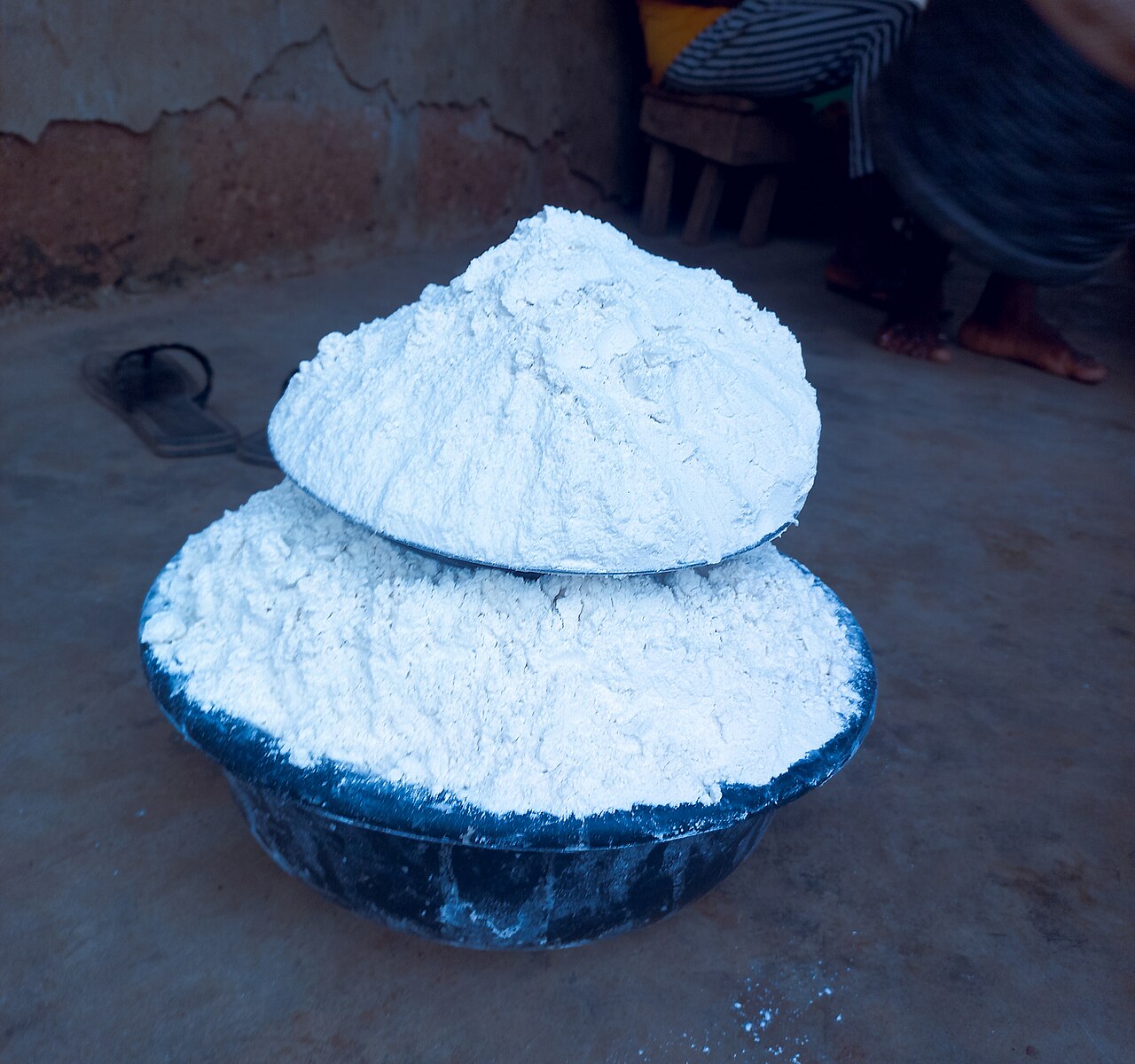
Nigerian bakers have pushed back against the assumption that softer flour prices should deliver cheaper bread, arguing that the rest of their cost base has moved the other way. The Premium Breadmakers Association of Nigeria attributed the stubbornly high cost of bread to multiple taxation, expensive energy and other rising production expenses, according to The Guardian.
The Numbers Bakers Cite
The association's General Secretary, Emmanuel Onyoh, said a 50kg bag of wheat flour was still selling for between ₦55,000 and ₦62,000 depending on brand and point of purchase, and that a reduction of about ₦2,000 a bag announced by some millers was too small to justify cutting bread prices, the same report noted. He said unreliable electricity had forced most bakeries to run ovens and production lines on diesel generators. The chairman of the Association of Master Bakers and Caterers of Nigeria in the Federal Capital Territory, Ishaq Abdulraheem, made a similar point, telling Daily Trust that while flour eased from ₦60,000 to ₦58,000 and sugar from ₦82,000 to ₦80,000, the cost of margarine, yeast and packaging had not moved, and that bread would stay expensive for as long as Nigeria depends on imported wheat.
A Shrinking Industry
The squeeze has thinned the sector. The President of the Premium Breadmakers Association, Onuorah Emmanuel, said more than half of the bakeries belonging to his members had shut down in recent years under the weight of production costs, high interest rates and insecurity, Daily Trust reported. The association has also told the United States Department of Agriculture's Foreign Agricultural Service that bread costs held broadly stable between January 2025 and January 2026, a change from the sharp year-on-year increases of 2024, with about 60 per cent of Nigeria's wheat flour going into bread.
Bread is a daily staple in urban households, so the gap between input costs and shelf prices is felt at every corner shop. FoodPrices Nigeria tracks verified retail prices for flours and staples across Lagos markets, the practical record of what households actually pay.