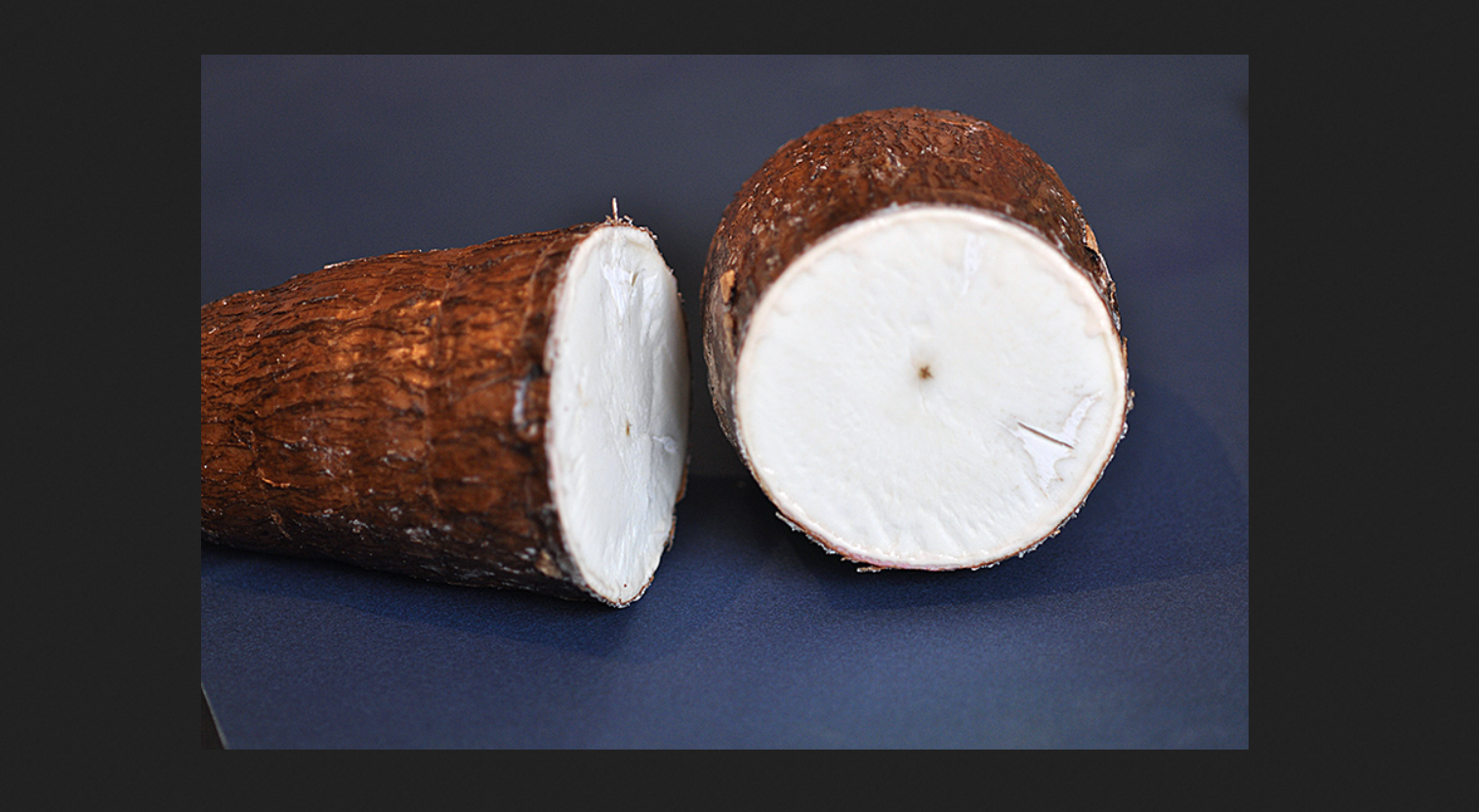
Nigeria has held the title of the world's largest cassava producer for decades, growing more than 55 million tonnes a year, yet its food and beverage manufacturers still import the industrial starch, glucose, sweeteners and derivatives they need to operate, according to Cavista Holdings. A drive to close that gap and turn the raw tuber into higher-value industrial products is now gathering pace.
The Sweetener Gap
The clearest example is in sweeteners. Nigeria's sweetener demand is expected to reach about 2.15 million tonnes in 2026 against domestic production capacity of just 53,000 tonnes, meaning local supply covers only about 2.5 per cent of demand, with the rest imported, according to BusinessDay. Import dependence is even sharper for industrial polyols such as sorbitol, used in sugar-free confectionery, pharmaceuticals and oral care, with Nigeria importing roughly 7,700 tonnes of sorbitol worth about $6.1 million in 2023, according to The Guardian. Cassava's high starch content makes it a ready feedstock for these products, according to Vanguard, which noted that Psaltry International commissioned Nigeria's first cassava-based sorbitol plant in Iseyin, Oyo State, in 2022.
The Ethanol Bill
Fuel-grade and industrial ethanol tell a similar story. Nigeria's ethanol demand stood at about 400 million litres in 2024, with roughly three-quarters supplied through imports even though the country produces more than 60 million tonnes of cassava a year, according to Daily Trust, citing the Nigeria Cassava Investment Accelerator. Replacing those imports would require processing only about 1.8 to 2.0 million tonnes of cassava a year, around three per cent of national output, the same report noted, with ethanol producer Nosak Group already building integrated cassava-to-ethanol operations in Edo State. Analysts put the broader prize in the hundreds of millions of dollars, pointing to a roughly $485 million starch market gap and a fast-growing, heavily import-dependent sweetener market, according to the Nigeria Cassava Investment Accelerator.
Investment Starts to Flow
Private capital is beginning to move. Dufil Prima Foods commissioned a 200-tonne-per-day high-quality cassava flour facility in Ogun State representing an investment of about ₦13 billion, while Flour Mills of Nigeria is committing roughly $100 million to expand industrial starch and flour capacity using local cassava, according to Vanguard. The persistent hurdle, industry analysts stress, is organising a reliable cassava supply chain, since processing plants need consistent volumes delivered to specification, something the current spot-market system struggles to guarantee, according to Daily Trust.
Turning a staple into fuel, sweeteners and starch keeps value and jobs at home and eases pressure on the naira. FoodPrices Nigeria tracks verified prices for cassava products and staples across Lagos markets, where a stronger processing base could steady both supply and price.
#Cassava, #Ethanol, #Sorbitol, #AgroProcessing, #ImportSubstitution, #Nigeria, #Lagos, #FoodPrices, #Agriculture, #ValueAddition