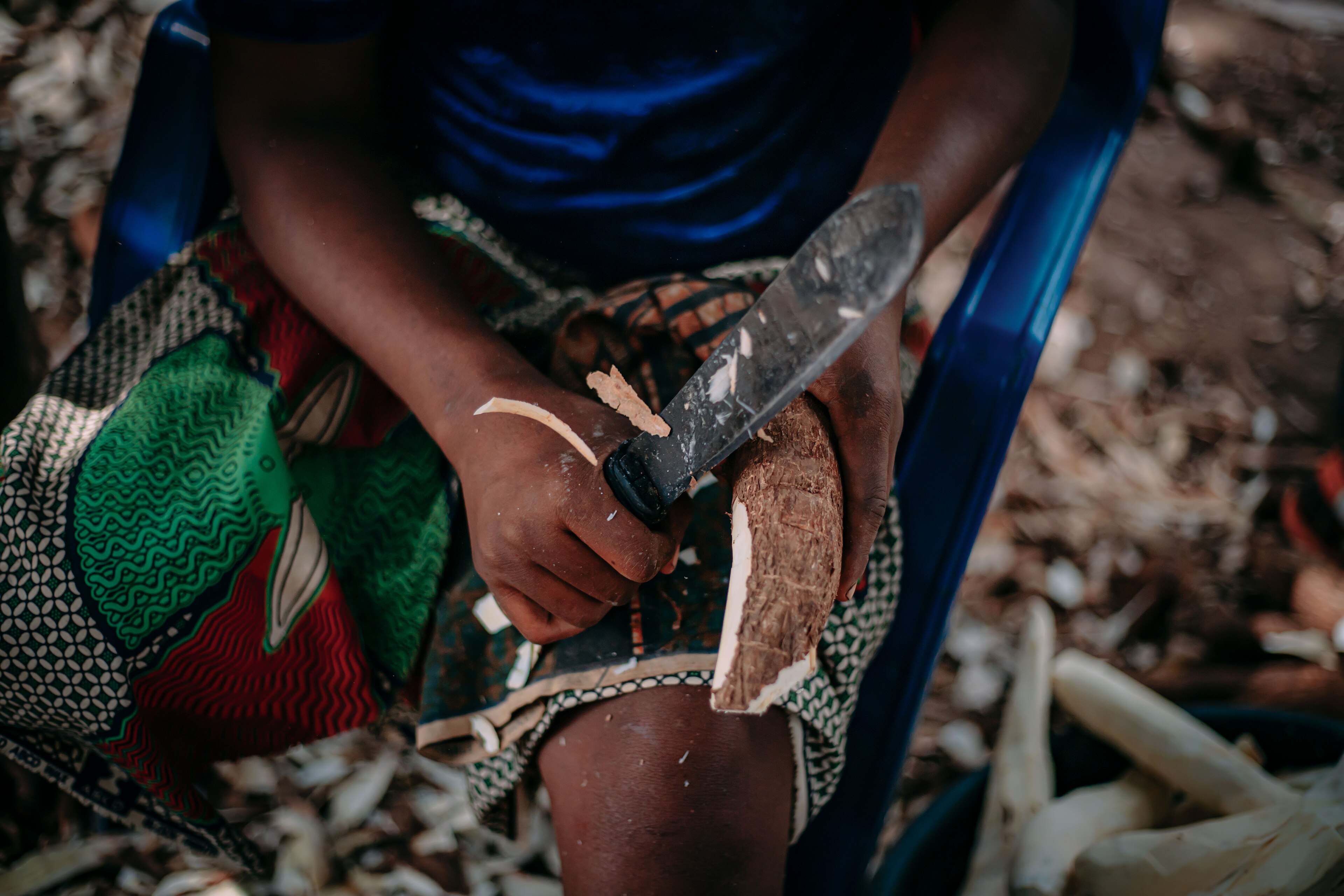
Nigeria is the world's largest producer of cassava, and every year that harvest leaves behind a mountain of peel that mostly goes to waste. The country grows around 57 to 59 million tonnes of cassava annually, roughly a fifth of the global harvest, generating about 15 million tonnes of wet peel that is typically left in heaps to rot or set alight, according to The Guardian. Almost all of it is thrown away, with an estimated 98 per cent of Nigeria's cassava peel wasted because of the difficulty of drying it safely, according to the International Livestock Research Institute.
A Waste With a Cost
The waste is not harmless. Rotting heaps of peel release methane into the air while their effluent pollutes nearby streams and groundwater, and burning them sends up clouds of acrid smoke, according to All About Feed. The cyanide leaching from the peels also reduces soil microbial life, raises soil acidity and increases the heavy-metal content of soils around processing sites, according to TAAT Africa.
From Waste to Feed
That waste, though, is also an opportunity. Scientists at the International Livestock Research Institute and the International Institute of Tropical Agriculture in Ibadan developed a process that grates, dries and dehydrates wet cassava peel into High Quality Cassava Peel mash, a shelf-stable feed with a moisture content of about 10 to 12 per cent that can be stored for around six months, according to The Guardian. The IITA agricultural economist who led the work, Iheanacho Okike, has explained that the mash is energy-rich with a nutritional value close to maize, so using it in animal feed reduces the amount of maize required, lowers costs and frees up grain for human consumption. Feeding trials indicated the mash could replace about 20 per cent, or roughly 1.5 million tonnes, of the maize going into manufactured broiler feed, the same report noted.
A Potential $2 Billion Industry
The scale of the prize is large. Africa's estimated 50 million tonnes of cassava peel waste each year could yield at least 15 million tonnes of the mash, easing chronic shortfalls in animal feed and eventually creating an industry worth around $2 billion a year, according to the International Livestock Research Institute. The technology is deliberately simple, converting three tonnes of fresh peel into one tonne of feed usable for poultry, fish, pigs, cattle, sheep and goats, according to RTB CGIAR.
Scaling It Up
Efforts to commercialise the mash are drawing in donors and companies. With funding from the African Development Bank, the Technologies for African Agricultural Transformation programme has worked with the International Institute of Tropical Agriculture, Synergos Nigeria and the Business Innovation Facility to promote uptake, with a strong focus on employing rural women, according to TAAT Africa. Early commercial partners have included the processor Niji Foods and Durante Fish Industries, one of the country's largest fish-feed makers, whose staff were trained on the technology, according to CGIAR Livestock and Fish.
Cheaper, locally sourced feed eventually shows up as cheaper eggs, chicken and farmed fish on the shelf. FoodPrices Nigeria tracks verified retail prices across Lagos markets and follows the innovations that could lower the cost of protein for households.