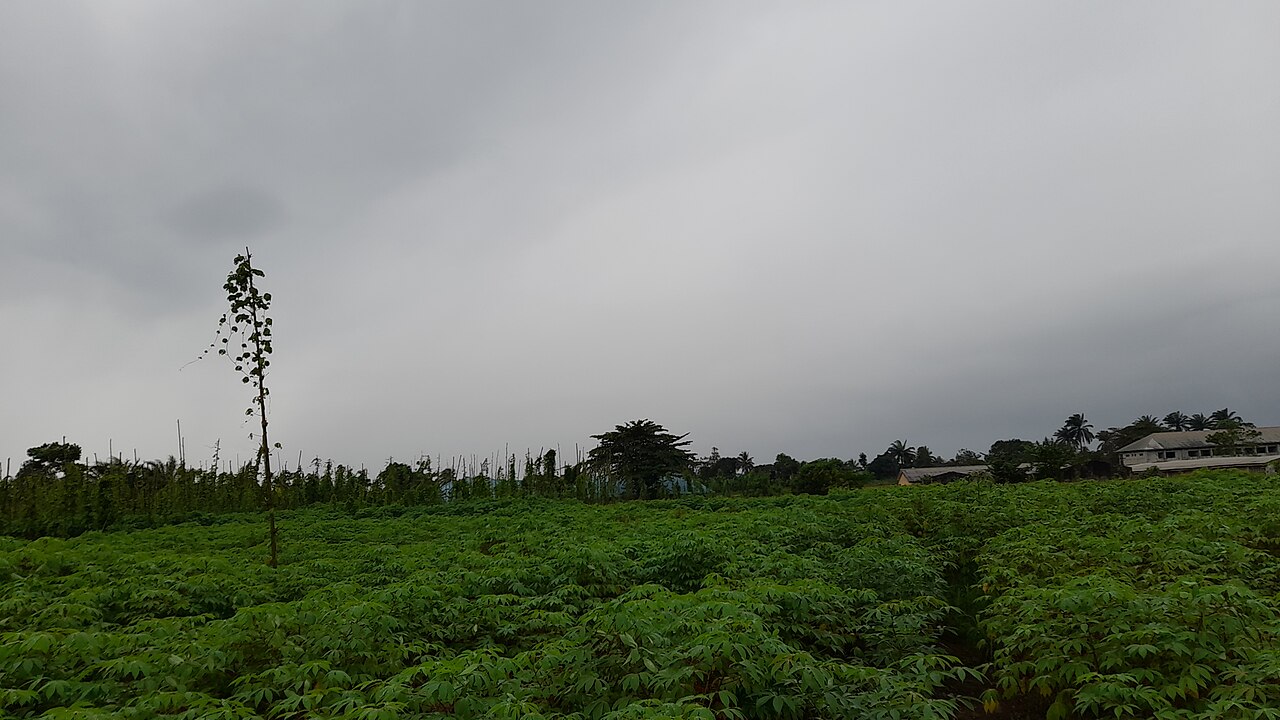
Nigeria is the world's largest cassava producer, generating roughly 18 per cent of global output, yet it captures merely 2 per cent of the crop's vast $180 billion global processing market, according to BusinessDay. The gap between raw output and processed value is the story of a giant that earns little from its own dominance.
Big Roots, Small Returns
The contrast with smaller producers is stark. Nigeria exported only about 5,000 metric tonnes of cassava products in 2023, less than 1 per cent of its production, while Thailand, which grows roughly half as much cassava, exported seven million tonnes of derivatives, around 21 per cent of its output, BusinessDay reported. China, the world's largest cassava starch importer, takes in more than 3.8 million tonnes a year, a market Nigerian processors have struggled to serve at scale.
The Wheat Connection
High-quality cassava flour offers a route to cut imports, serving as a substitute for wheat flour in bakery and snack products. Nigeria imports roughly 98 per cent of its wheat, worth about $2 billion a year, so scaling cassava flour could unlock a market estimated at $600 million, with utilisation currently low at around 5 per cent and room to grow, according to BusinessDay.
Closing the Yield Gap
Part of the problem is on the farm, where cassava yields average about 6 tonnes per hectare against a global benchmark of 25 tonnes, with the Food and Agriculture Organisation estimating that bridging that gap could add 11 million tonnes of output, the BusinessDay report noted. Stakeholders point to disease-resistant varieties, mechanisation, better post-harvest handling and reliable power for processing as the missing pieces.
Cassava feeds millions of Nigerians as garri, fufu and flour. FoodPrices Nigeria tracks garri prices across Lagos markets, where stronger local processing could steady supply and prices over time.