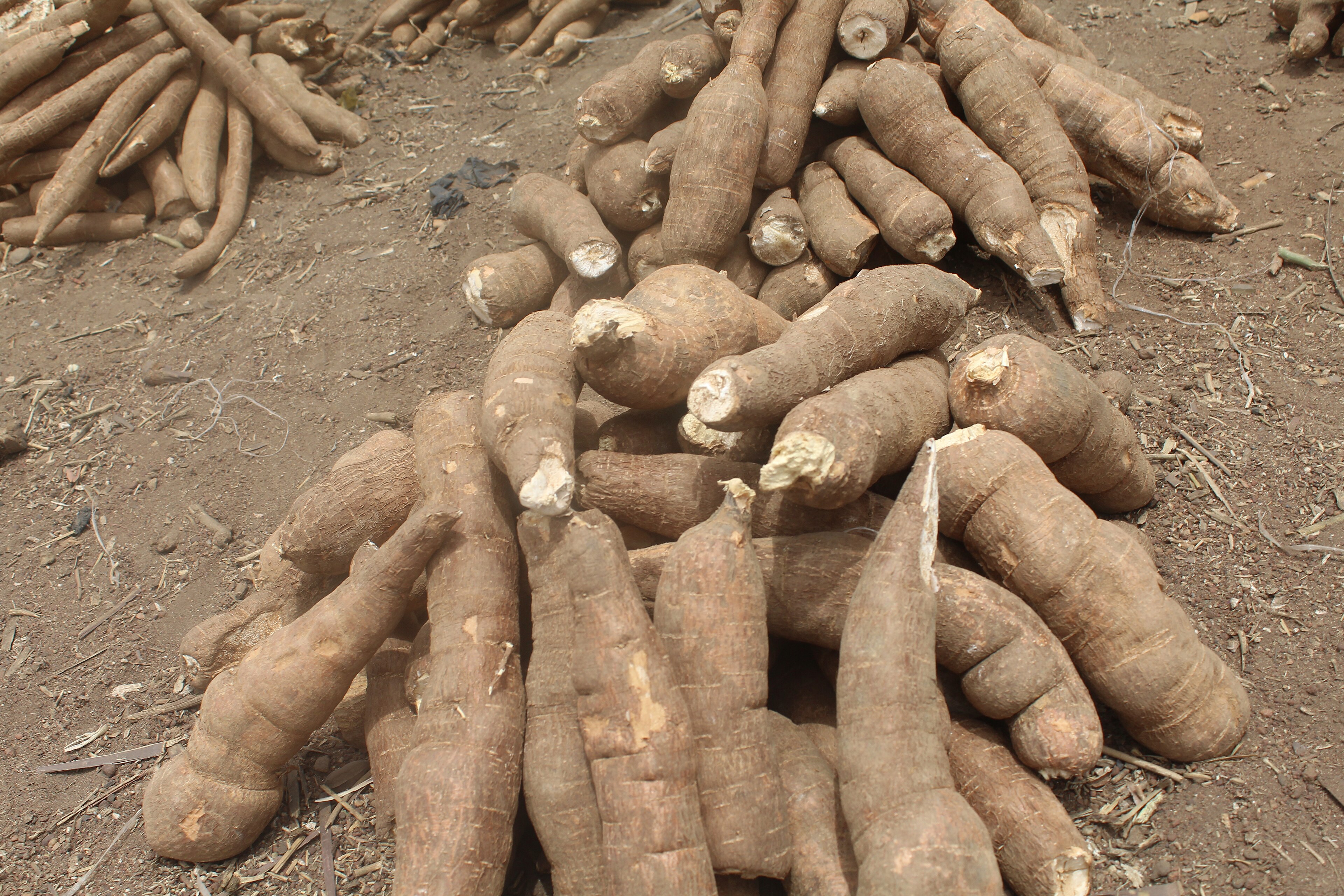
Nigeria is the world's largest cassava producer, yet the crop is nearly absent from the bread its people eat every day. A long-running effort to change that has found fresh momentum, with the Senate passing for a second reading a bill to mandate the inclusion of 20 per cent high-quality cassava flour in wheat used for edible flour produced in or imported into Nigeria, according to Milling Middle East and Africa.
The Import Bill It Targets
The economic case rests on wheat. The bill's sponsor, Senator Saliu Mustapha, argued that blending cassava into wheat flour could ease a wheat import bill that exceeds $3 billion a year, while creating opportunities for local farmers and processors, according to Milling Middle East and Africa. Independent figures put the annual cost even higher, with the West and Central Africa Collaborative Wheat Network estimating Nigeria spends about $3.3 billion a year on imported wheat, according to Business a.m.. Nigeria's status as the world's leading cassava producer, with tens of millions of tonnes of annual output, means the raw material is not the constraint.
A Market Barely Tapped
The gap between potential and practice is stark. Actual high-quality cassava flour inclusion in composite flour today sits at around 1 per cent, worth up to $35 million, but hitting the proposed 20 per cent substitution target could scale the market to about $1.18 billion by 2030, according to the Nigeria Cassava Initiative. The bread segment alone represents the largest immediate opportunity, with a potential market of about 351,000 tonnes and $236 million in revenue, driven largely by artisanal bakers who already use blends to cut costs, the same analysis noted.
A Policy the Government Keeps Reviving
This is not the first attempt. The Federal Ministry of Agriculture and Food Security has continued to advocate for 20 per cent cassava inclusion in bread and confectionery, training bakers to build acceptability, market and sustainability, with the Minister, Abubakar Kyari, framing it as a route to export substitution, job creation and food security, according to Peoples Gazette. The idea dates back to a 10 per cent inclusion policy under the Obasanjo administration in 2002, backed by fiscal incentives such as duty-free imports of related equipment, according to Blueprint.
Why It Stalled Before
History is a warning as much as a guide. The earlier policy hit a wall on stiff resistance from flour millers, consumer reluctance to embrace cassava bread, and a shortage of consistent, high-quality cassava flour, with the Food and Agriculture Organisation identifying policy flip-flops, weak transport links and unreliable power for processing as core constraints, according to BusinessDay. Whether the new bill fares differently will depend on solving those same bottlenecks rather than simply legislating a target.
If it works, more cassava in the nation's flour would tie bread prices to a crop Nigeria grows in abundance rather than one it imports. FoodPrices Nigeria tracks verified retail prices across Lagos markets and will watch whether the policy reaches the bakery shelf.