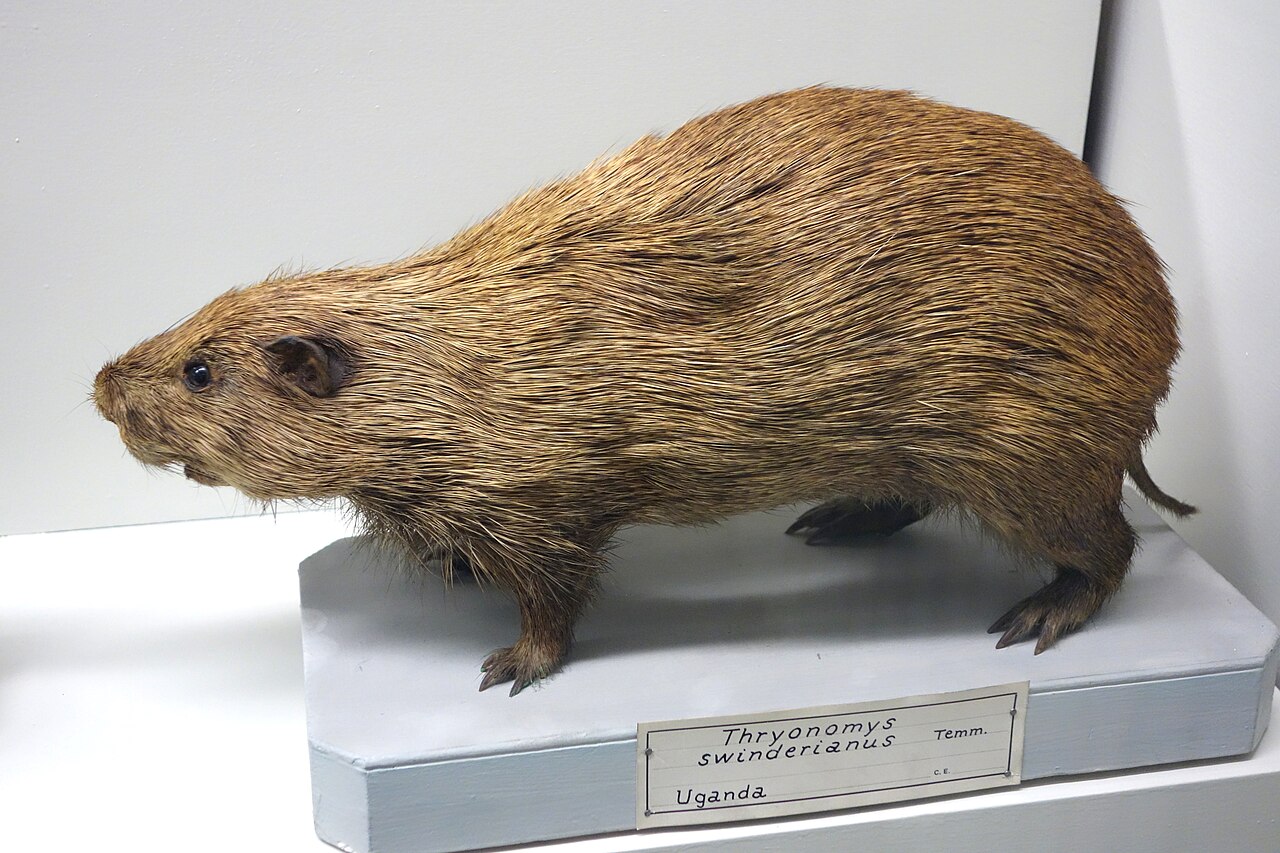
Across southern Nigeria, the grasscutter has long been hunted in the wild and sold at a premium as bush meat. Now a growing number of farmers are raising it in pens instead, domesticating a rodent whose tender, high-protein meat is treated as a delicacy from Lagos eateries to village celebrations. Grasscutter farming is gaining ground as a low-cost, high-margin venture, according to Agriculture Nigeria, which notes the meat is so prized that it often sells for more than poultry, pork, beef and goat.
A Premium Meat
The nutritional case is strong. Grasscutter meat carries a crude protein content of about 22.7 per cent, above rabbit at 20.7 per cent, chicken at around 19.25 per cent and beef at about 18.25 per cent, according to Agriculture Nigeria. That leanness, combined with a distinctive taste, keeps demand high in local markets, restaurants and hotels, and has turned the animal into a viable commercial venture for entrepreneurs seeking an alternative source of animal protein, according to a business guide from Foraminifera.
Cheap to Raise, Quick to Grow
The farming itself is forgiving. Grasscutters feed mainly on grasses and crop residues, need little space and carry low start-up costs, and they reproduce quickly, reaching sexual maturity at around five to six months and producing litters of up to twelve young, according to the University of Nigeria, Nsukka. Farmers in states such as Ogun and Enugu are already raising grasscutters alongside snails and poultry, animals that grow fast, need less land than cattle and can be sold legally, with Ogun's grasscutter farms showing strong profit margins, according to Rexclarke Adventures.
A Conservation Angle
Domestication does more than feed the market. By breeding grasscutters in captivity, farmers offer an alternative to poaching and reduce the pressure that unregulated hunting places on wild populations, according to the University of Nigeria, Nsukka. That logic underpins a research effort by the Forestry Research Institute of Nigeria, whose Domestication of Small Mammals for Rearing project, running since 2019, promotes grasscutters and rabbits as a way to divert communities from over-exploiting forest resources, according to Food4Transformation. The main constraints are the animals' sensitivity to temperature extremes and a learning curve for beginners, according to Farming Farmers Farms.
A cheaper, farmed source of a sought-after protein could take some heat off Nigeria's meat prices. FoodPrices Nigeria tracks verified retail prices across Lagos markets, where the cost of protein weighs heavily on the family food budget.
#Grasscutter, #BushMeat, #AlternativeProtein, #Livestock, #FoodSecurity, #Nigeria, #Lagos, #FoodPrices, #Agriculture, #Conservation