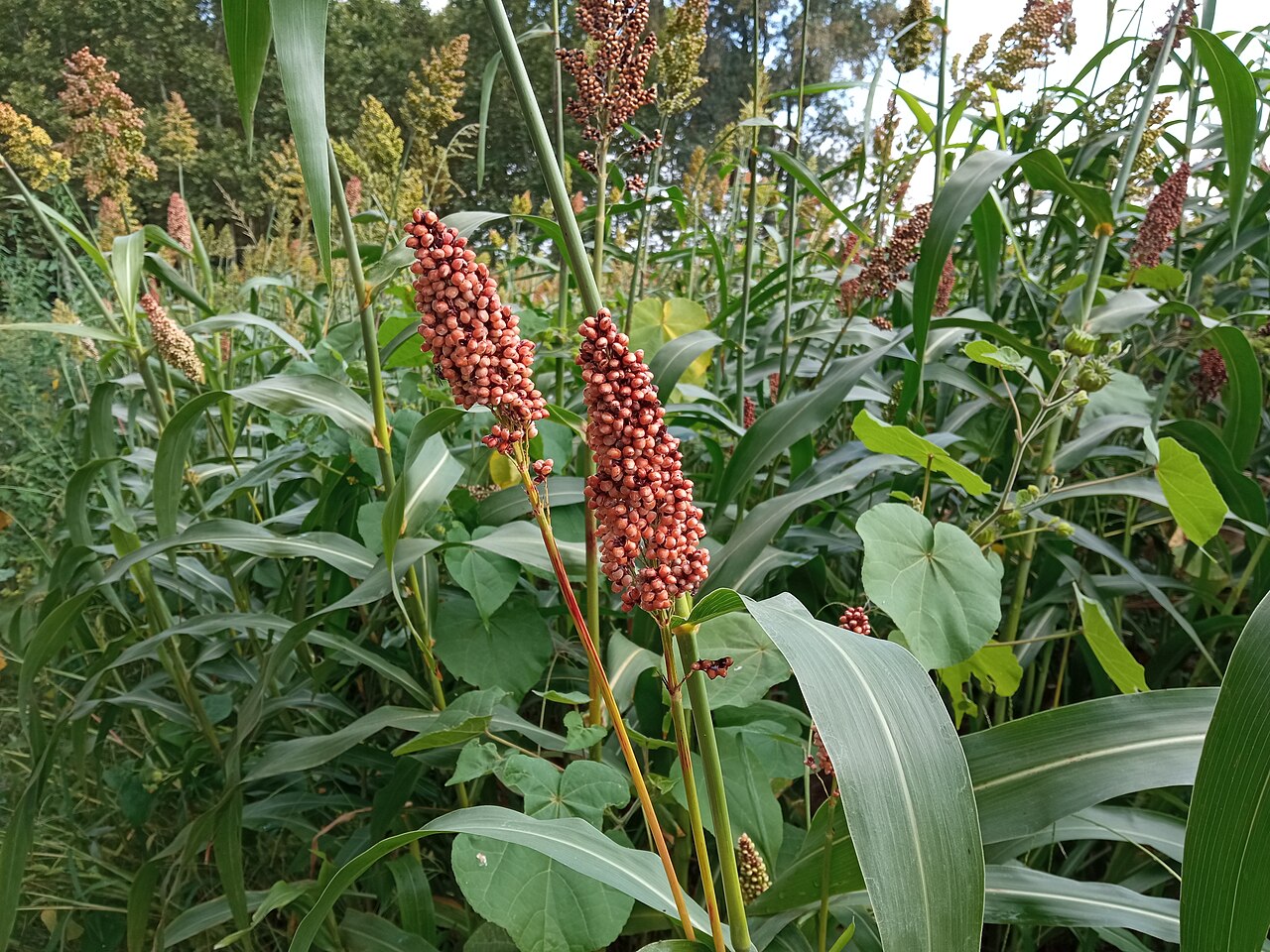
Sorghum has fed northern Nigeria for generations as tuwo, kunu and the local brews burukutu and pito, but it is now being courted by industry as a cheap, gluten-free grain with a growing global market. Sorghum is Nigeria's second most important cereal, cultivated in more than 20 states, and it grows well under moderate rainfall and high temperatures with low input requirements, according to Kalabah.
Why Brewers Want It
The pull from the drinks industry is strong. Rising demand for locally grown sorghum is driven by sustainability, affordability, a distinctive flavour and the growing appetite for gluten-free beer, according to BusinessDay, which reported that global brewers are increasingly eyeing Nigerian supply. The awareness of sorghum as a gluten-free, high-fibre grain has also lifted its profile among food and beverage makers producing breakfast cereals and confectionery, according to a market outlook by 6Wresearch.
A Domestic Supply Chain Already Forming
One company has already built much of the infrastructure. Nigerian Breweries has invested about ₦78 billion in sorghum and cassava cultivation over five years, put its annual sorghum requirement at around 120,000 tonnes, and built a malting plant in Aba capable of processing 35,000 tonnes of raw sorghum, according to the company's own account, which said the local-sourcing drive had created tens of thousands of jobs for commercial and smallholder farmers. The brewer has continued to expand its sourcing into new communities and to work with research institutes on higher-yield varieties, according to BusinessDay.
A Global Market on the Rise
The wider market backdrop is favourable. The global sorghum market stood at about $15.3 billion in 2026 and is projected to reach $19.0 billion by 2031, with Africa accounting for the largest share of consumption at 34.8 per cent in 2025, anchored by staple-food demand in Nigeria, Sudan and Ethiopia, according to Mordor Intelligence. The same analysis noted that sorghum delivers energy comparable to corn in poultry diets, which makes it an attractive feed substitute when maize prices climb, a useful lever in a country that has moved to keep maize at home.
Money in the Field
For farmers, the economics can work. Sorghum yields roughly 2.5 to 3.5 tonnes per hectare in good conditions and has sold at around ₦200,000 to ₦250,000 per tonne, offering a return within a four-to-five-month window, according to Kalabah. Nigeria has even begun exporting sorghum seeds, recording its first such shipments worth ₦875 million in a single quarter, according to BusinessDay.
Every tonne of grain sourced at home is money kept in the local economy and a hedge against imported raw materials. FoodPrices Nigeria tracks verified prices for grains and staples across Lagos markets and follows the industrial demand that increasingly shapes what farmers grow.
#Sorghum, #Brewing, #GlutenFree, #ImportSubstitution, #Agriculture, #Nigeria, #Lagos, #FoodPrices, #Grains, #Agribusiness