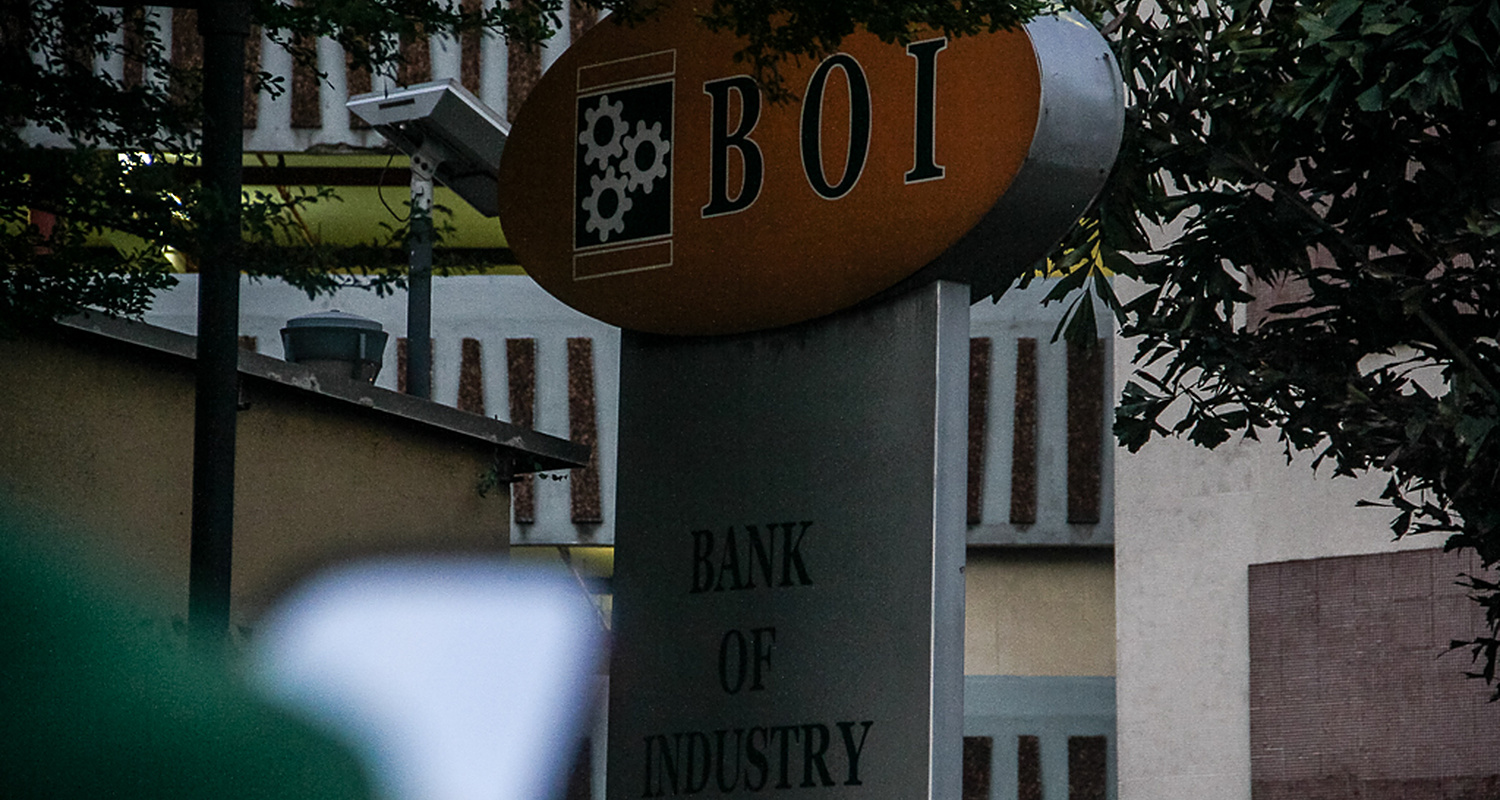
The Bank of Industry (BOI) will deploy new European Investment Bank (EIB) facilities into agriculture and local healthcare manufacturing in 2027, Managing Director and Chief Executive Olasupo Olusi said at a meeting in Lagos on Thursday, October 22, 2026, Premium Times reported.
The 2026 EIB facilities include €85 million for agriculture and €50 million for healthcare manufacturing. They form part of more than €2.2 billion in new funding the bank says it has secured for Nigerian industry since 2024.
"We will deploy our new European Investment Bank facilities into agriculture and local healthcare manufacturing," Olusi said, according to Premium Times. The stated aim is for Nigeria to produce more of the food and medicines it consumes.
Final Year of a Three-Year Strategy
Olusi said 2027 is the last year of the bank's 2025 to 2027 corporate strategy. "2027 is the final year of our strategy, and our task is to consolidate and meet every target we set," he said.
The bank disbursed ₦644.9 billion in 2025, reaching 12,501 businesses and supporting 1.68 million jobs, the same report said.
Beyond agriculture, BOI plans to work with the Federal Ministry of Industry, Trade and Investment on the National Industrial Finance Compact to attract more long-term capital to industry. It will also expand its ICT and digital economy portfolio through the Investment in Digital and Creative Enterprises (iDICE) programme.
A Seat on the New Agric Committee
The financing plan comes days after BOI was named to a new federal technical committee on agricultural interventions. Vice President Kashim Shettima set up the panel on October 20, 2026 to fast-track interventions in wheat, other staple crops and livestock, and its members include the chief executives of the Bank of Industry and the Bank of Agriculture, according to a statement from his office.
Why Processing Finance Matters
Processing costs feed directly into retail food prices. In a dispute with the federal government over local rice prices earlier this month, millers cited the cost of power as a key reason they cannot cut prices. One mill, Umza Rice Mills, spends about ₦100 million a month on electricity, according to a report credited to Daily Trust.
The federal government has also set a target of cutting post-harvest losses from 40% to under 20% through new storage and cold-chain facilities, the Ministry of Agriculture and Food Security said in its World Food Day statement on October 16, 2026.
Food inflation stood at 19.59% year on year in September 2026, National Bureau of Statistics data showed, Nairametrics reported.
FoodPrices Nigeria tracks processed staples such as rice, flour and vegetable oil across Lagos markets. Cheaper long-term finance for food processors is one route by which industrial lending could reach the prices Lagos shoppers pay.