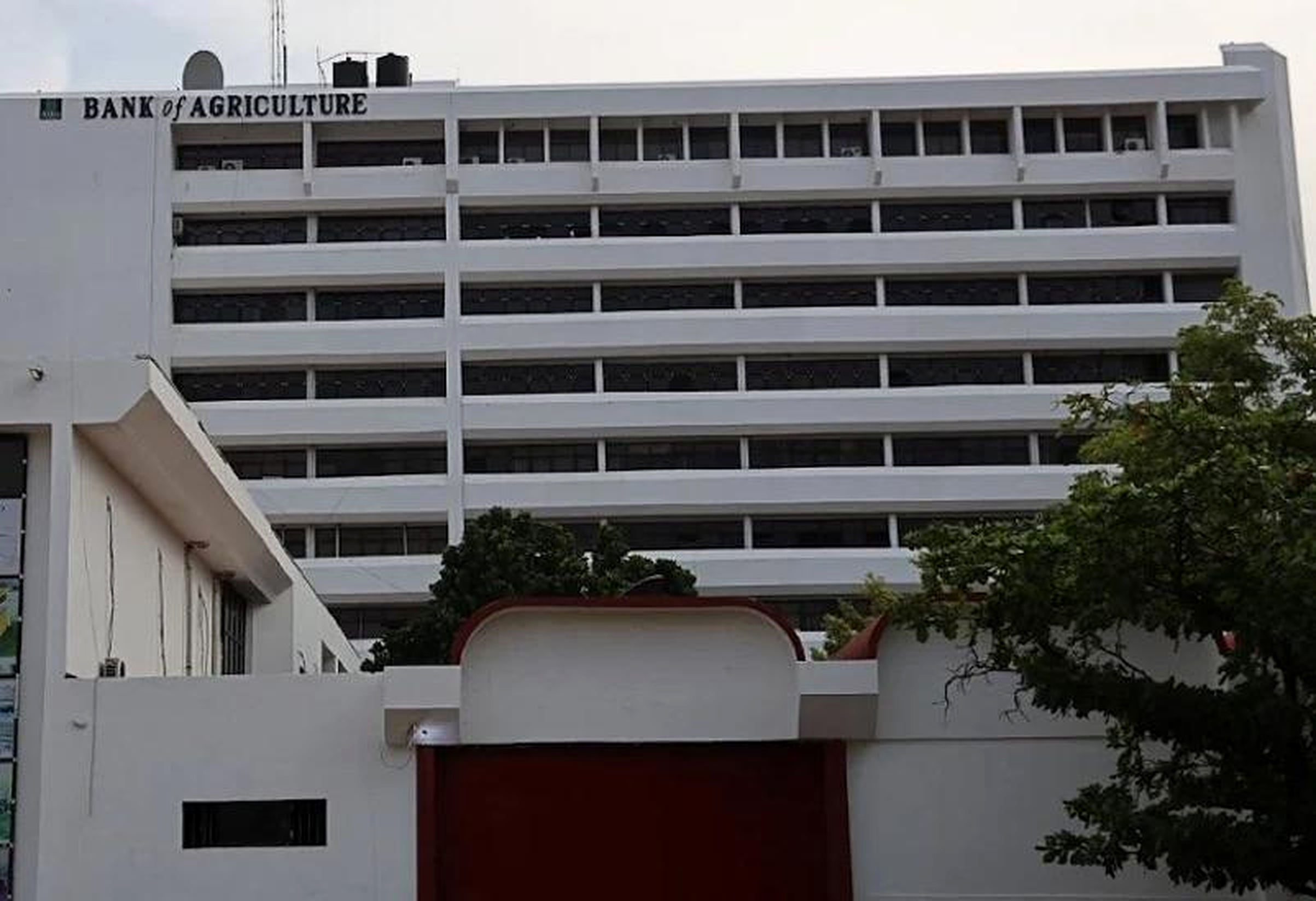
The Bank of Agriculture (BOA) has earmarked about ₦200 billion to finance dry-season farming for 400,000 farmers across Nigeria, its North-West Zonal Manager said at the flag-off of the 2026/2027 wheat season in Maje village, Taura Local Government Area of Jigawa State, Vanguard reported. The funds will flow through farmer aggregator companies to cover land preparation, irrigation, improved seeds, fertilisers and other inputs.
Wheat Planting on 10,000 Hectares
The launch was organised by Great Agri Input Limited (GAIL), an FMN Agro company, with BOA as financial partner. GAIL is targeting 10,000 hectares across about 13 states this season, BusinessDay reported on November 10, 2026. Inputs were distributed at the event, and planting has already begun in some communities in Jigawa and neighbouring states.
"Access to superior-quality seeds and fertiliser is fundamental to improving agricultural productivity," said Tayo Ilori of GAIL, according to BusinessDay. BOA's zonal manager, Abdulrazaq Datti Salihi, who spoke for Managing Director Ayo Sotinrin, said: "Through our financing interventions, we are working to improve farmers' access to essential resources."
Inputs Repaid in Grain
Each farmer receives, per hectare, 100kg of wheat seed, six bags of urea, four bags of NPK 20:10:5 fertiliser and weed and pest control chemicals, a package valued at ₦250,000 to ₦350,000, Vanguard reported. Farmers repay in harvested wheat at prevailing market prices rather than in cash. About 250 lead outgrowers provide technical support.
Project Director Olusegun Falade said average productivity among participating farmers had risen from under 1 tonne per hectare to about 4.2 tonnes, with some reaching 7.2 tonnes. He said loan repayment had improved from about 60% to between 95% and 98% in some cases, though he cited farmers' reluctance to repay, slow adoption of improved practices and land ownership problems as continuing obstacles. FMN's National Wheat Development Programme Manager, Aliyu Ismaila, put the target average yield for the 2026 dry-season cycle at 5 tonnes per hectare.
Five Years of Seed Expansion
FMN Agro Managing Director Sadiq Usman said the programme had reached more than 170,000 farmers through training, input support, offtake and extension services over five years, BusinessDay reported. Local wheat seed production rose from 572 metric tonnes in the 2021-2022 season to 6,500 metric tonnes in 2025-2026, and more than 30 mechanisation partners have serviced over 8,000 hectares in the past three years. The company said the programme has created more than 300,000 direct and indirect jobs for young people and uses the Borlaug wheat variety alongside three other high-yielding varieties suited to Nigeria's climate.
Some beneficiaries told Vanguard the programme had raised their household incomes and allowed them to stay in their communities instead of migrating to cities for seasonal work.
FoodPrices Nigeria tracks Golden Penny Flour and other staples across Lagos markets. Its captures will show whether a larger domestic wheat harvest reaches Lagos shoppers as steadier flour prices.
Editor Notes (do not publish): The two reports differ. BusinessDay says GAIL targets 10,000 hectares across about 13 states; Vanguard says GAIL supports 10,000 farmers across six states. I used BusinessDay's figure in the excerpt and body. Vanguard calls the company "Golden Agro Input Limited" and the BOA official "Abdul-Razaq Datti Saleh"; I used BusinessDay's spellings, "Great Agri Input Limited" and "Abdulrazaq Datti Salihi". Vanguard also says FMN raised seed supply to "over 10,000 metric tonnes", against BusinessDay's 6,500; I used BusinessDay. Vanguard's page shows no publication date. Quotes came through a page summary tool; please check them word for word.