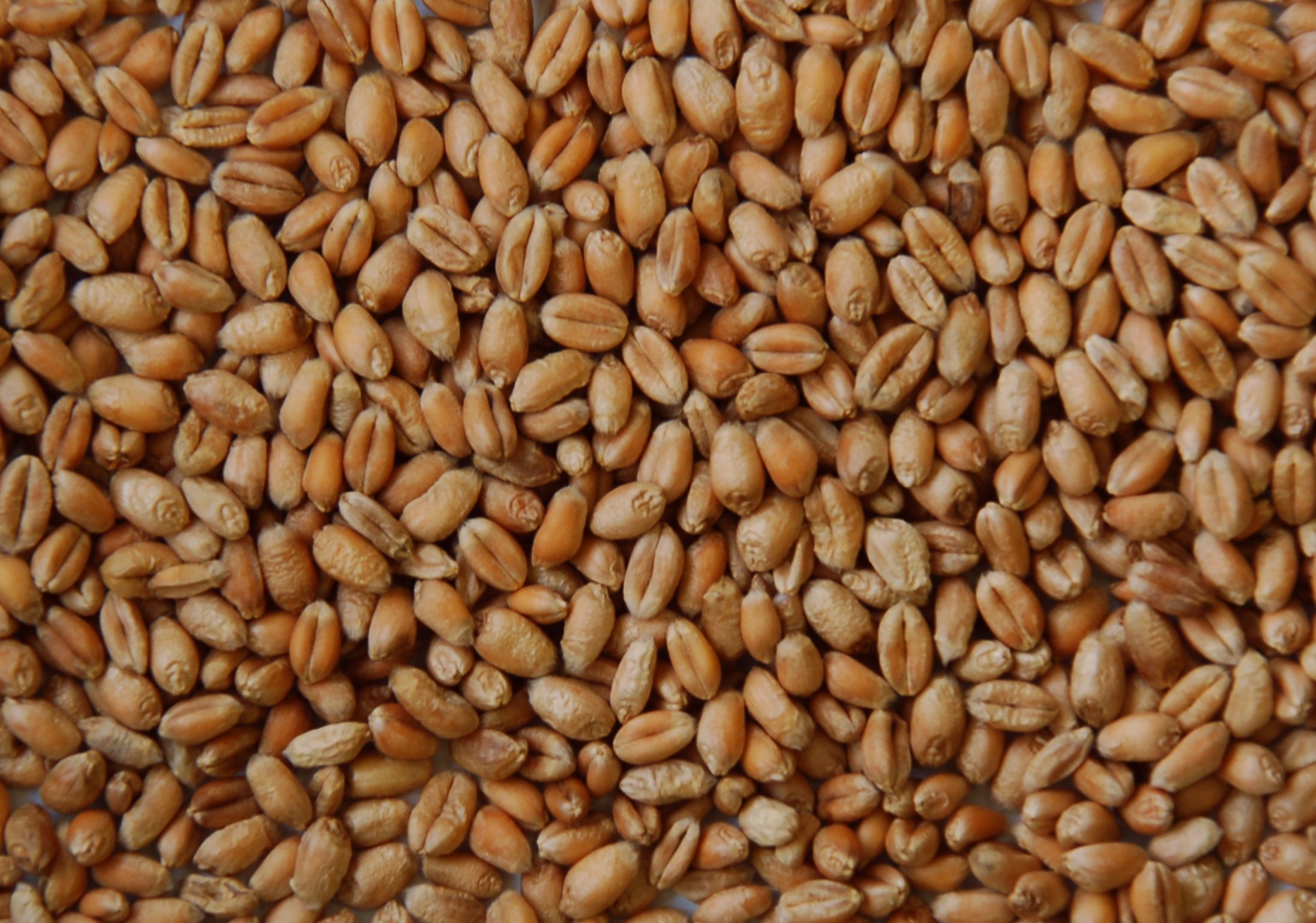
Global wheat prices are drifting lower as a wave of grain from the Black Sea region loosens world supply, a shift that matters for a country like Nigeria that imports most of the wheat behind its bread, semovita and pasta. World wheat prices fell by 4.4 percent in June as rapid harvest progress and strong supply prospects in the Black Sea region outweighed worries about crops in the United States and Australia, according to the Food and Agriculture Organisation.
A Region Awash in Grain
Russia is projected to produce about 88 million tonnes of wheat in the 2026/27 season, and Black Sea export prices are currently the lowest on the world market, according to UkrAgroConsult. That abundance is offsetting weaker harvests elsewhere, with US winter wheat production forecast at its smallest since 1965, the same report noted.
Nigeria Is Already Buying
Nigeria is among the buyers taking advantage of the softer market. The US Department of Agriculture reported a private sale of 100,000 tonnes of US hard red spring wheat to Nigeria for delivery in the 2026/27 marketing year, even as wheat futures ticked up toward $5.9 per bushel in early July on tighter US stocks, according to Trading Economics. Cheaper grain abroad does not automatically mean cheaper bread at home, since a weaker naira and high domestic logistics costs sit between the world price and the loaf.
For a country that mills imported wheat into a daily staple, the direction of the global market is a leading signal for what shoppers eventually pay. FoodPrices Nigeria tracks verified retail prices for flour and bread-related staples across Lagos markets, where the effect of world grain moves shows up on the shelf.