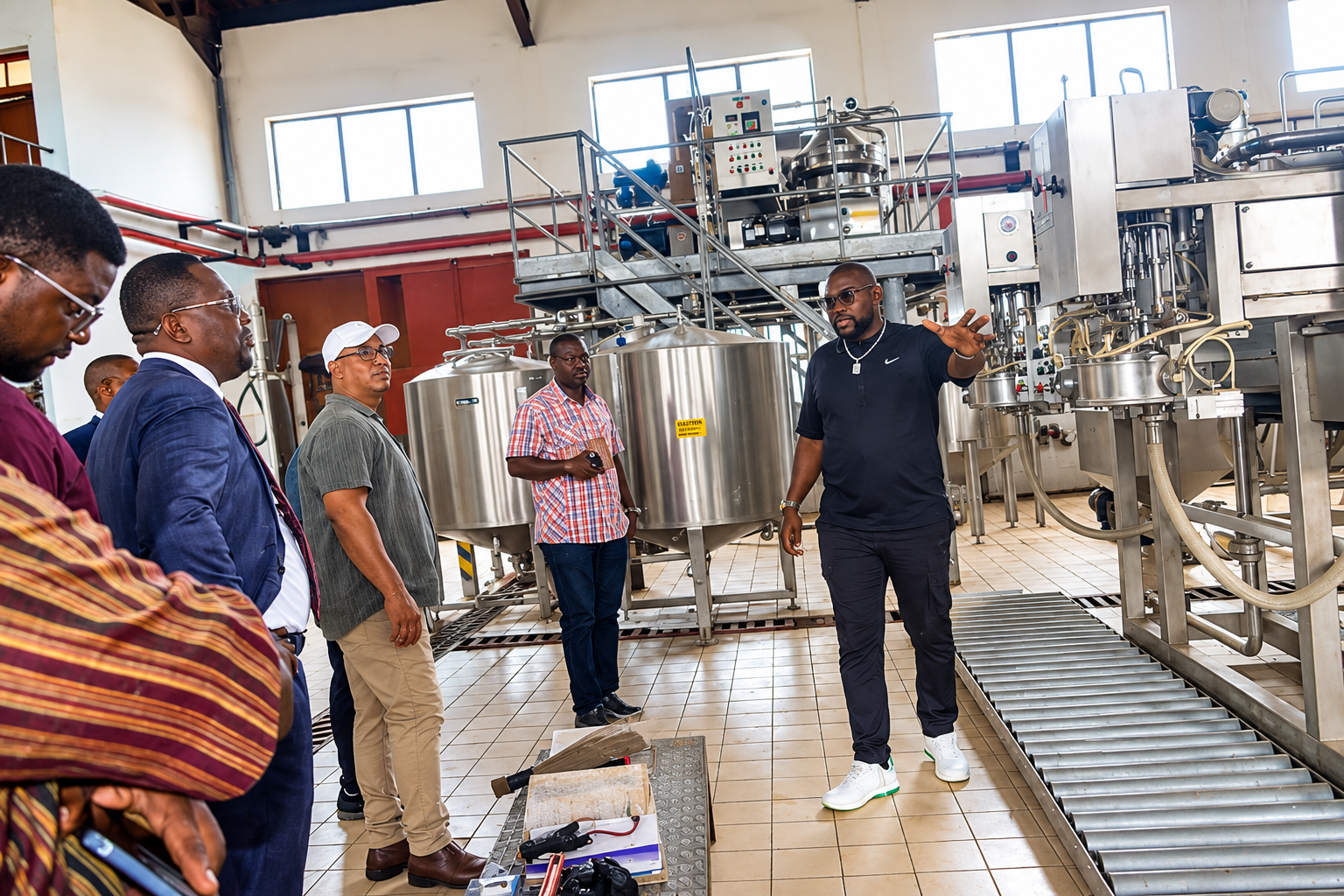
Benue State, long branded the Food Basket of the Nation, is trying to stop selling its harvests raw. The state government has signed a $250 million agreement, about ₦330.4 billion, to build a 30,000-hectare National Food City Complex intended to shift Benue from a producer of raw commodities to an agro-industrial economy built on processing, storage and value addition, according to AgroNigeria.
What the Deal Covers
Governor Hyacinth Alia disclosed the plan while signing the project agreement with Rexzodeneh Group Ltd in Makurdi, with the complex expected to integrate 40,000 smallholder farmers and create up to 20,000 permanent jobs, AgroNigeria reported. Signed on Monday, September 7, 2026, the deal hands a long-term concession over tens of thousands of hectares to a private developer to build an integrated hub covering processing, storage, logistics, energy and market development, according to Leadership. The Governor, represented at the signing by his Deputy, Dr Samuel Ode, framed the complex as a way to capture more value at home rather than shipping raw yam, cassava, soybean and grain out of the state.
Why Benue Wants Factories, Not Just Farms
The state has leaned on the same argument for months: that producing food is not enough without the means to process and move it. The Benue Investment Promotion Agency said the project was conceived to address longstanding problems facing farmers, particularly poor access to markets, processing facilities, storage and logistics, according to Leadership. The government said it has been investing in rural roads and in irrigation for year-round farming, alongside agro-processing to cut the post-harvest losses that erode farmers' incomes each season. The NewsQuest report described the arrangement as a landmark 25-year concession designed to cement Benue's status as a national food-production centre.
Part of a Bigger Push
The Food City is the latest in a run of agro-industrial deals in the state. Earlier in the year Benue signed a memorandum for an integrated agro-industrial estate valued at about $530 million with AGROBENUE Industrial Development and its technical partners, a project the government said would cover the entire value chain from production to logistics, according to the Federal Ministry of Information and National Orientation. The state has also moved to revive the long-dormant Taraku Mills, with machinery undergoing dry-run operations and Benue looking to supply it with maize, soybean, sesame and groundnuts, according to a separate Ministry account of the state's agribusiness drive.
Whether the Food City lowers the cost of food depends on whether the processing, storage and roads it promises actually reach farmers. FoodPrices Nigeria tracks verified retail prices across Lagos markets, where the payoff from a stronger supply state like Benue would eventually show up in steadier prices for grains and tubers.