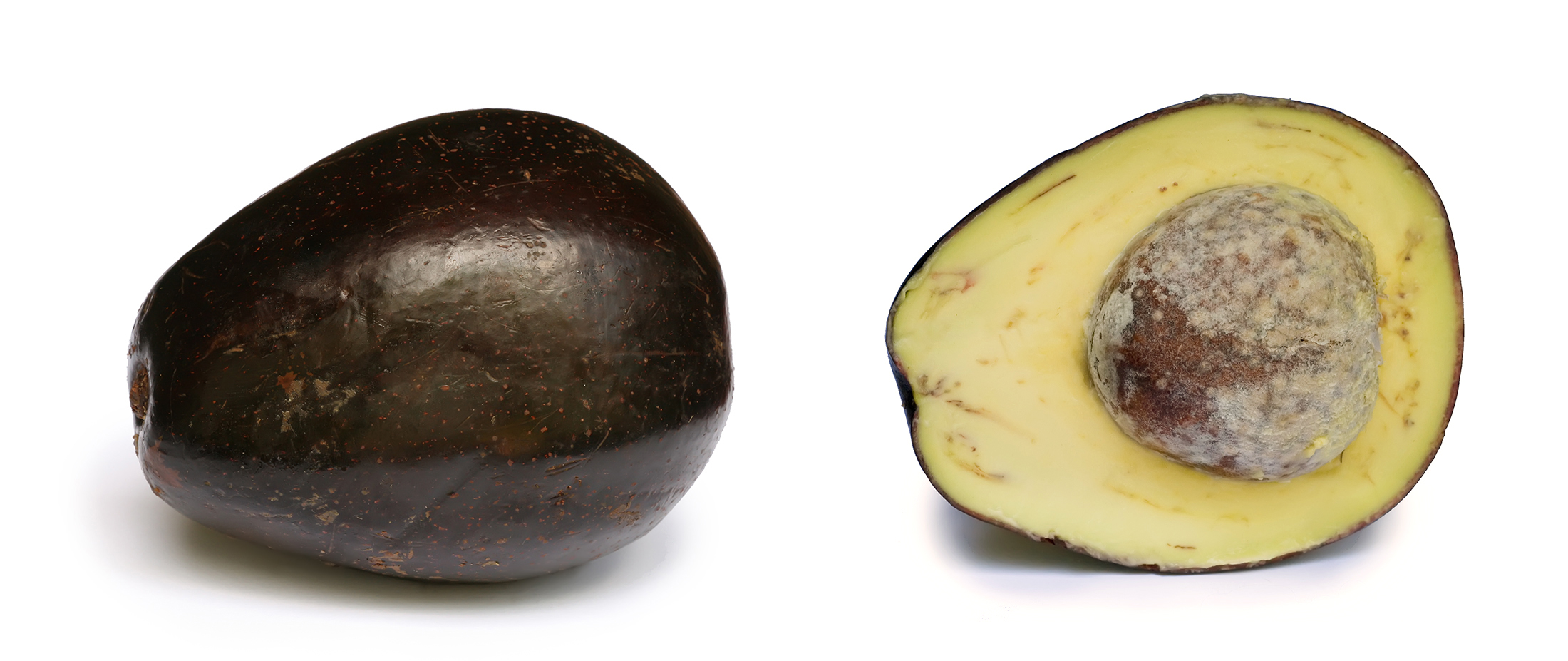
The avocado is having two moments at once. Right now the European market is saturated, with imports reaching record levels in June 2026 and oversupply driven mainly by shipments from Peru pushing prices sharply lower, to the point that traders are selling below cost to clear accumulated stock, according to FreshPlaza. A wholesale trader in Milan told the same publication that stocks remain high and average prices are more than 20 per cent below a year ago.
The Squeeze on Growers
The pain is sharpest at origin. In Chile, the season has combined high volumes with low profitability, with some lots of smaller fruit sold for as little as €0.17 per kilogram and margins per container falling from historical levels of €2,550 to €4,250 down to between €680 and €1,190, FreshPlaza reported. Colombia lost between 50 and 60 per cent of its flowering to heavy rainfall at the end of 2025, cutting shipments to about 50 containers a week from 120 to 180 a year earlier.
A Decade of Growth Ahead
The longer view is far brighter. Global avocado exports reached roughly 3.3 million tonnes in 2025, a 13 per cent year-on-year jump against just 2 per cent growth in 2024, and by 2035 the fruit is projected to overtake the pineapple as the world's most traded tropical fruit by volume, with exports forecast at 4.3 million tonnes worth nearly $11 billion, according to the OECD-FAO Agricultural Outlook 2026-2035 as reported by FreshFruitPortal. Mexico and Peru already control more than 60 per cent of global trade, while production is projected to grow 2.6 per cent a year to 16 million tonnes, more than triple the 2015 level, with emerging suppliers such as Colombia and Kenya gaining ground, according to Fruitnet. That report also noted that exports from Kenya and South Africa fell because of logistical bottlenecks from the Red Sea crisis.
The avocado's rise is a lesson in what a tropical crop can earn when growers, cold chains and export markets are built around it. FoodPrices Nigeria tracks verified prices for fruit, vegetables and staples across Lagos markets, where the economics of tropical produce are settled at the stall.