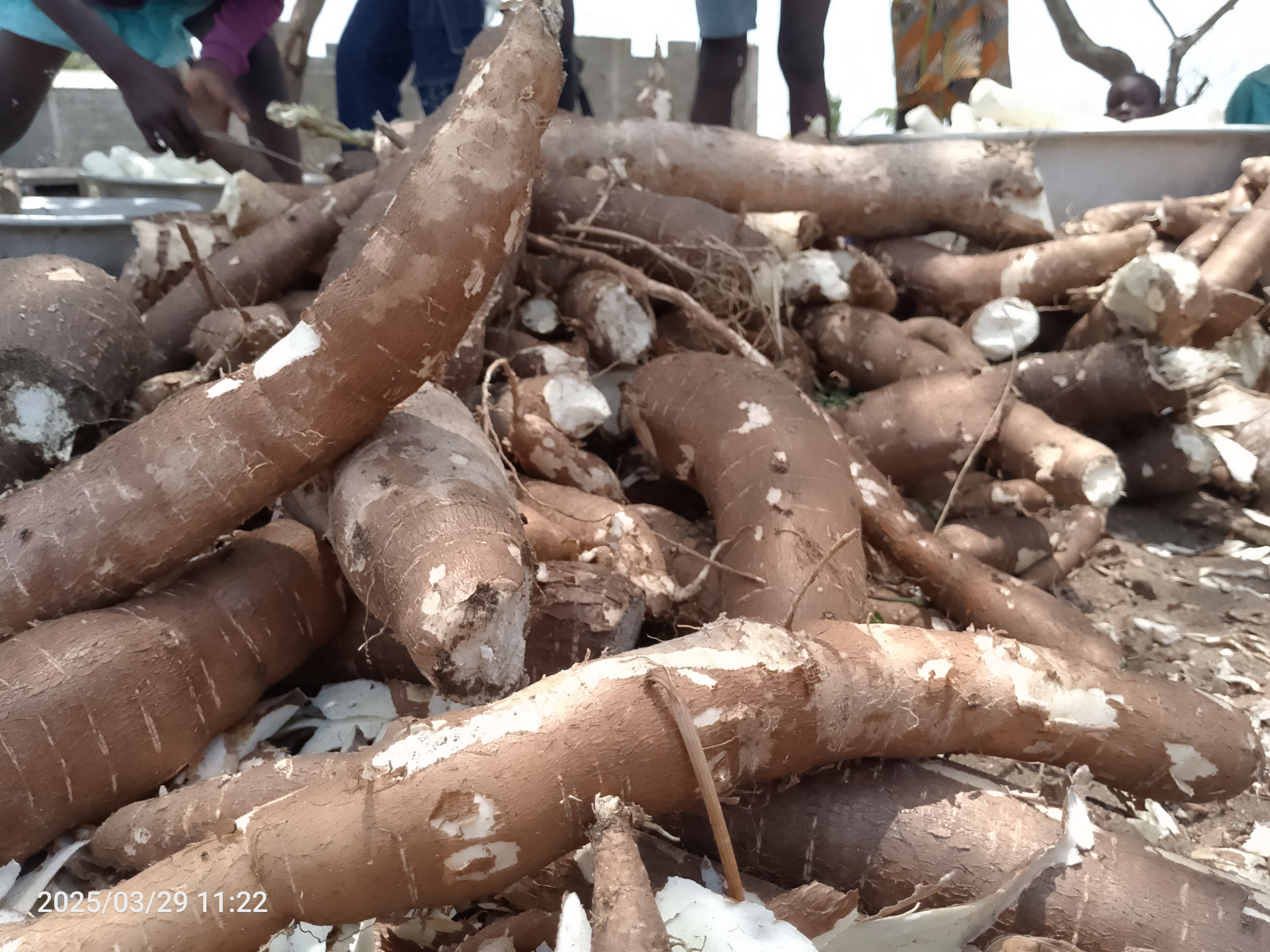
A shortage of cassava roots across Southeast Asia has pushed the price of tapioca starch, one of the world's most widely traded food ingredients, to unusually firm levels. Export prices from Bangkok rose from about $490 per tonne in late January 2026 to roughly $580 per tonne by early May, an increase of about 18 per cent in some 14 weeks, as raw cassava availability tightened through the crop season, according to Food Additives Asia.
Roots, Not Demand, Are the Problem
The squeeze starts on the farm. Thailand's cassava sector has faced supply contraction from drought, cassava mosaic disease and a shortage of stem cuttings, according to Krungsri Research analysis cited by Food Additives Asia, which reported export prices climbing steadily through late April. Thai starch factories were running at only about 62 per cent of capacity in mid-January as roots grew scarce and costly, while factories across northern and central Vietnam curtailed or stopped operations, Nguyen Starch reported in its quarterly review.
Shipments Slump, and Africa Watches
The volume story is stark. Thailand exported 194,100 tonnes of tapioca starch in February 2026, down 42.4 per cent from a year earlier, bringing the two-month total to 387,900 tonnes, a fall of 35.54 per cent, according to Thai Customs data reported by Nguyen Starch. The imbalance behind all of this is structural. Africa contributed close to 63 per cent of global cassava root production in 2024, yet most export-oriented starch processing capacity sits in Asia, concentrating value downstream far from where the crop is grown, as Food Additives Asia documented.
Cassava is the root behind garri, fufu and a long list of Nigerian staples, and the world is showing what processing capacity is worth. FoodPrices Nigeria tracks verified garri and staple prices across Lagos markets, the closest measure of what cassava is worth on a Nigerian plate.