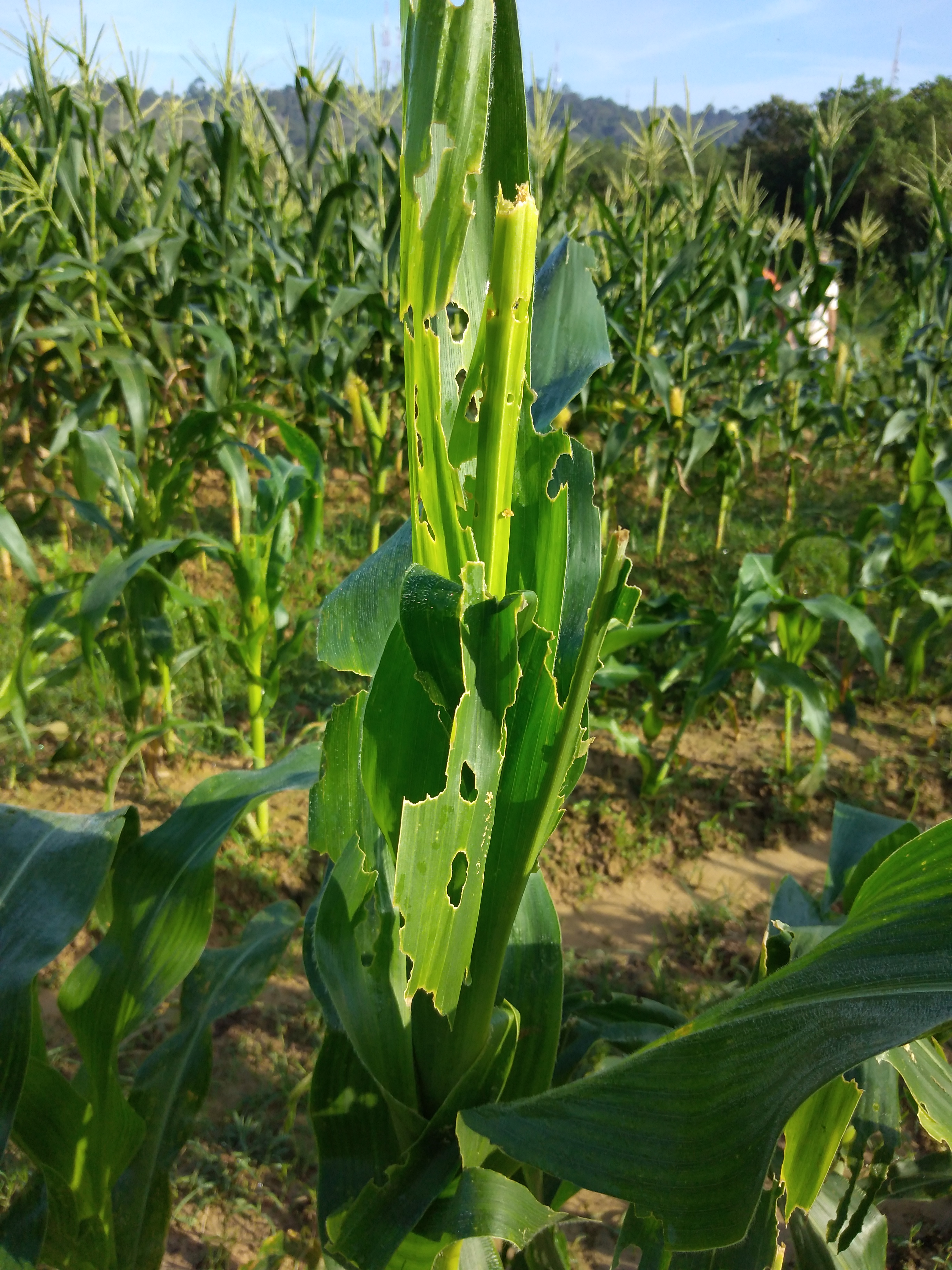
A wave of armyworms has swept through farms in northern Nigeria, leaving damaged crops and anxious farmers at the worst possible point in the growing season. In the Birniwa area of Jigawa State, the caterpillars destroyed more than 790 hectares of farmland, according to Daily Trust, which reported that one farmer lost more than 90 per cent of his bean crop while others counted losses of 15 to 20 bags of beans each.
Livelihoods on the Line
For the affected households, the damage runs deeper than a single harvest. Every ruined plant represents money already spent on seeds, land preparation, labour and fertiliser, and many of the farmers rely on what they grow both to eat and to sell for household needs, according to AllAfrica. The Birniwa local council responded with pesticides and guidance on managing the infestation, but farmers said they had few alternatives to farming and were waiting on further government support to recover and return to production.
Not an Isolated Outbreak
The problem extends well beyond Jigawa. The Nigeria Agricultural Quarantine Service has confirmed heavy armyworm infestation across the three senatorial districts of Benue State, where maize farmers have lamented crops eaten down to the stalks, according to reporting compiled by the Armyworm Network. The fall armyworm, which spread rapidly across Africa after arriving from the Americas, feeds on maize, sorghum, millet and other staples, and can be managed with plant extracts such as neem oil, biopesticides and natural predators like parasitoid wasps, the same source noted.
Why It Reaches the Market
The pest is a direct threat to what households eventually pay. The fall armyworm can slash yields by more than 50 per cent and hits smallholders hardest, since most farm less than a hectare and depend on the crop to keep hunger at bay, according to Bayer. With beans and maize among the staples worst affected in this outbreak, losses on the farm can tighten supply and lift prices far from where the caterpillars struck, a link underscored by modelling that puts Nigerian maize pest losses as high as 75 per cent of yield, according to Phys.org.
FoodPrices Nigeria tracks verified retail prices for beans, maize and other staples across Lagos markets, where a bad season in the northern farm belt is often felt first in the cost of a meal.