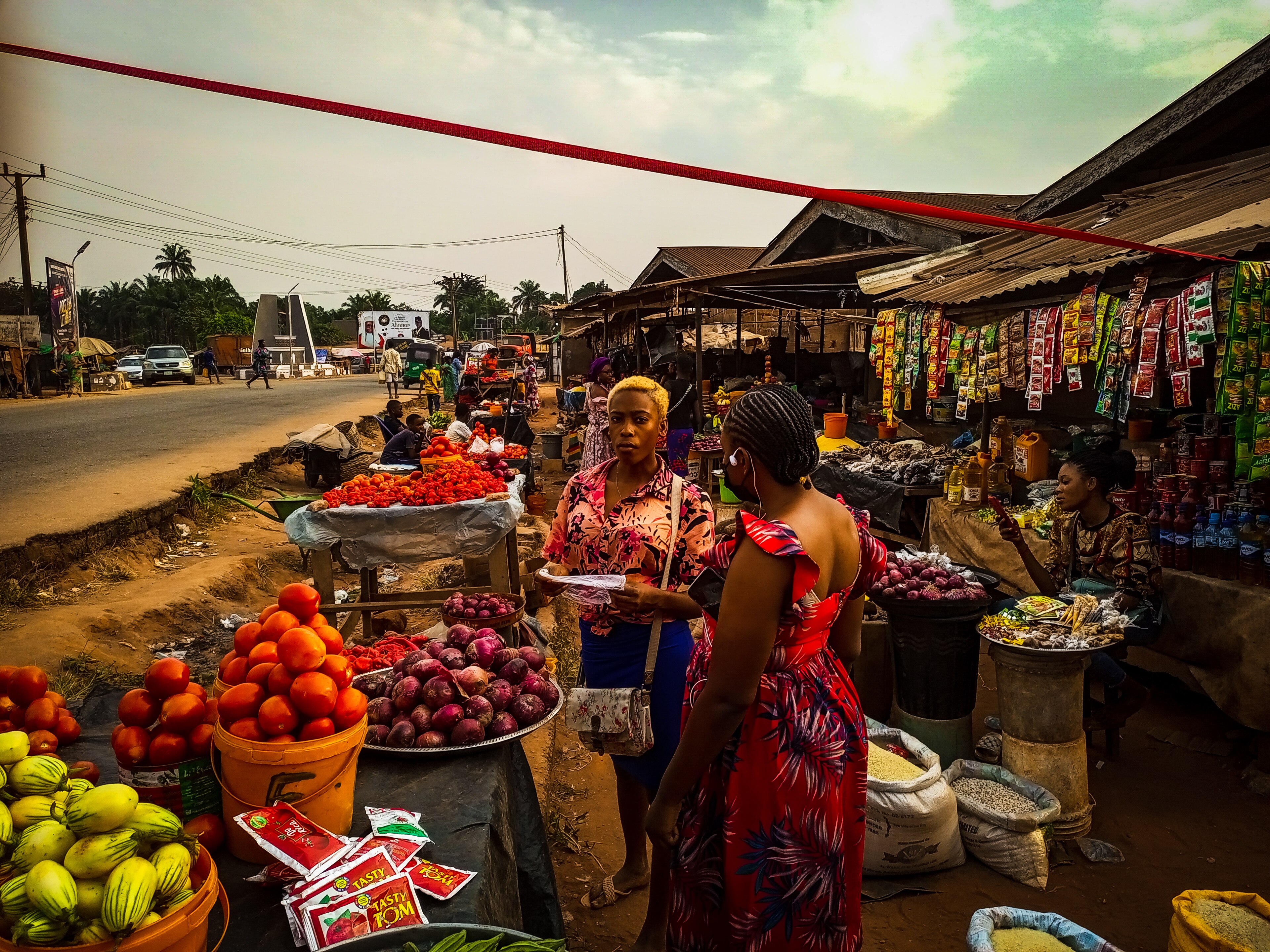
A growing number of Nigerian startups are trying to fix one of the oldest problems in the country's food system, the long chain of middlemen that separates the farmer who grows the food from the family that eats it. Digital marketplaces are connecting farmers directly to off-takers and processors and giving them real-time pricing, so a grower in a remote village knows exactly what produce is worth in the city, cutting out the predatory intermediaries who capture much of the value, according to CropSense, which cited an IFAD finding that such platforms can raise farmer incomes by 15 to 30 per cent by reducing transaction costs and improving price transparency.
A Crowded, Growing Field
The sector has real scale. Nigeria is now home to 287 agritech startups, of which 38 are funded, having collectively raised about $157 million, with names such as Hello Tractor, Babban Gona, Releaf, Thrive Agric and FarmCrowdy among them, according to Tracxn. Many of these firms provide logistics that move raw materials from farmers to food factories and platforms that aggregate produce and connect growers with buyers, the same tracker noted, the plumbing that a functioning market needs. Investors are still writing cheques, with the agritech startup Basket securing $300,000 in April 2026 on the strength of its work solving food supply chain inefficiencies, according to Innov8 Hub.
From Inputs to Market Access
The marketplaces rarely stop at buying and selling. Companies such as ThriveAgric connect smallholder farmers with financing, quality inputs, extension services and structured market access in a single package, according to Tribune Online, while Winich Farms links smallholders to both financial services and markets, according to All Business Africa. Bundling market access with credit and advice matters because farmers with no formal land title or bank record are otherwise locked out, and digital credit apps, mobile wallets and alternative collateral models built on farm data are beginning to open that door, according to Farmonaut.
Why It Reaches the Plate
The prize is not only fairer prices for farmers but less waste on the way to the pot. Nigeria loses a large share of its produce each year to poor post-harvest handling, up to 40 per cent for perishables, much of it driven by a lack of timely market access, according to Farmonaut, and better links between farm and buyer are among the most direct ways to cut those losses. When produce moves faster and through fewer hands, both the farmer and the shopper can end up better off.
Shorter, more transparent supply chains strike directly at the markups and spoilage that inflate food costs. FoodPrices Nigeria tracks verified retail prices across Lagos markets, the real-world test of whether cutting out the middleman reaches the shopper's basket.