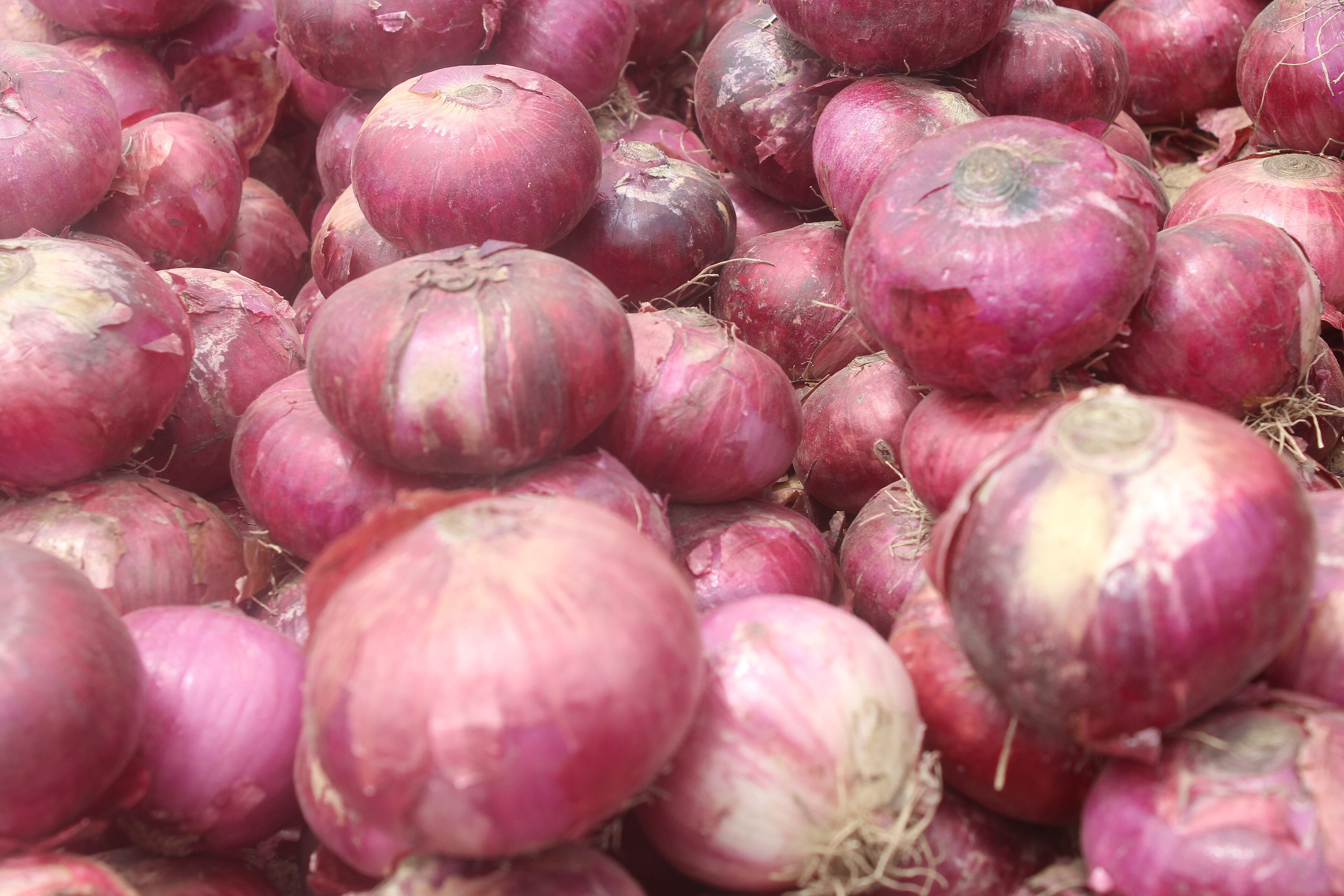
Fresh produce delivered the steepest moves at Ajah Market in early 2026. A paint bucket of onions sold for N3,500 in the week of January 26 and reached N6,500 by the week of March 16, a rise of N3,000 or 85.7%. Tomatoes moved in step, with a paint bucket climbing from N4,000 in the week of February 2 to N6,000 by March 16, an increase of 50.0%. For households and the many small food vendors around Ajah, those are the kind of jumps that reshape a week's cooking budget.
The March capture also brought the first verified readings for several pepper lines at the market. A paint bucket of rodo pepper, a paint of tatashe and a paint of local shombo all entered the data at N6,000 in the week of March 16. These are debut captures rather than movements, but they show a pepper shelf priced level with the tomato paint, a sign of how tight the fresh vegetable market had become by late in the first quarter. Earlier in the year, a kilogram of tatashe and a kilogram of shombo had each been recorded at N3,500 in the week of February 2.
The vegetable surge fits what the trade bodies were saying. The tomato growers' association told Vanguard in April that the main pressure on prices was transport and input costs rather than outright scarcity, while a separate warning from tomato farmers reported by Leadership flagged that the May and June window typically brings the tightest supply and the highest prices of the year. The Ajah readings, climbing hard into March, sit right at the front edge of that seasonal squeeze.
For buyers, the lesson is timing. Onions and tomatoes at Ajah were far cheaper in January than by March, and the seasonal pattern suggests the pressure was set to build rather than ease into mid-year.
Live readings sit on the Ajah Market real-time prices page, and produce can be compared across markets on the compare tool.