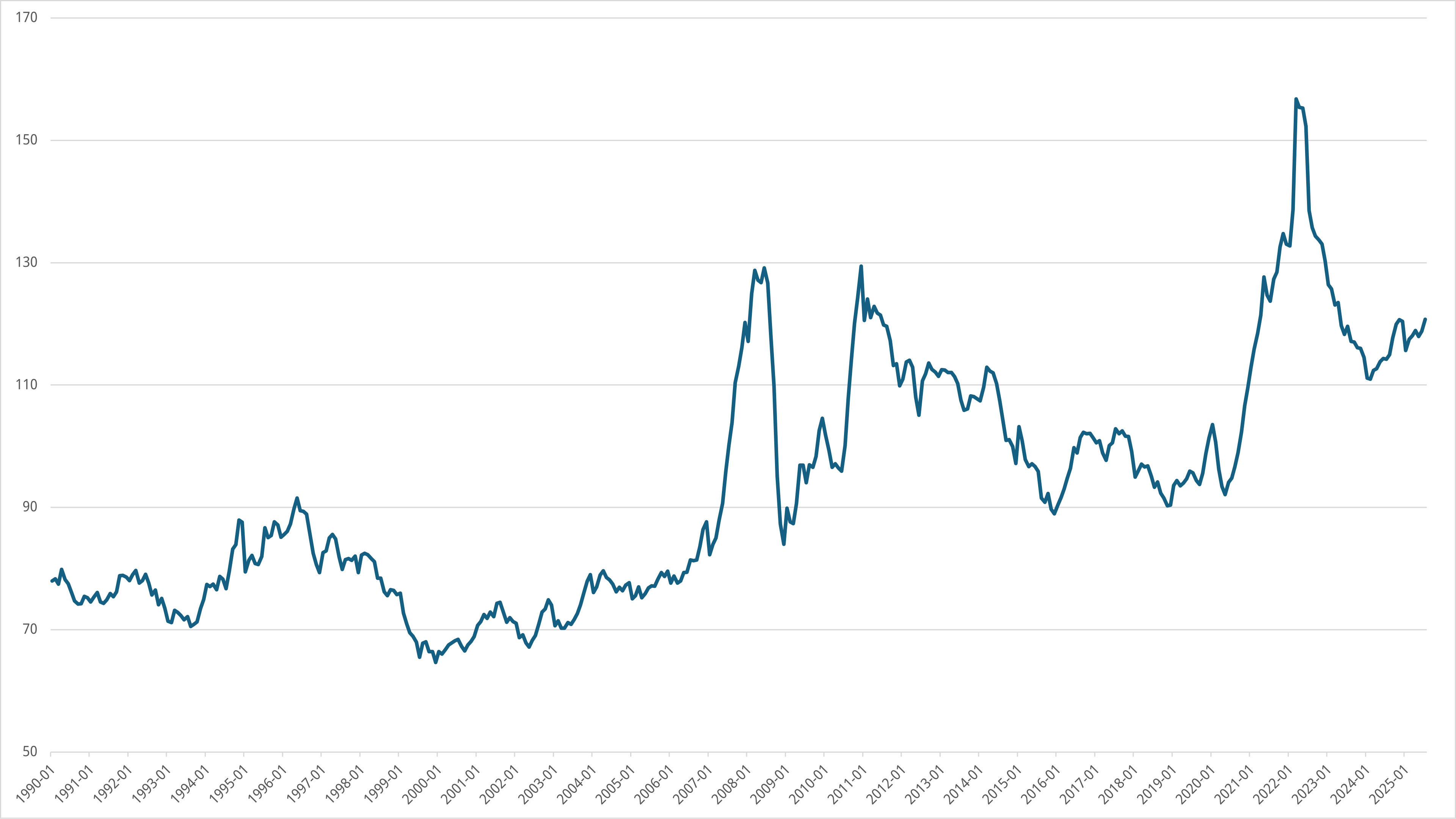
Nigeria's Minister of Agriculture and Food Security, Senator Abubakar Kyari, has said that prices of essential food items have declined by as much as 50 percent in some parts of the country, reversing earlier spikes in food inflation. Speaking at a stakeholders' engagement forum on Agricultural and Food Systems Transformation, Kyari said reforms implemented over the administration's first two years are beginning to show measurable results across the sector.
The Output Claim
The minister anchored the price assessment in a production survey. A 2025 Agricultural Performance Survey by the National Agricultural Extension and Research Liaison Services confirmed higher outputs in rice, maize, sorghum, millet, cowpea, yam, and cassava compared with the previous year. The ministry also reported distributing more than 1.9 million bags of fertilizer to nearly one million farmers, introducing organic fertilizer support, and establishing a National Reference Laboratory to tighten quality control and curb fake agro-inputs.
Kyari framed the gains as proof of intent, stating that food security has been a top priority and that results are beginning to reflect in market prices.
A Wider Reform Push
The price commentary sits within a broader institutional reset. In early June, the ministry inaugurated the National Steering Committee for the Renewed Hope Cooperative Reform and Revamp Programme, a 2025 to 2030 initiative aimed at strengthening the cooperative sector to support food security and rural economic development.
The Counterpoint Worth Noting
The optimistic reading contrasts with other recent assessments. The Cadre Harmonisé analysis projected that 34.7 million Nigerians would face food insecurity between June and August 2026, and farmer groups have warned that the cost of fertilisers, seeds, and labour is climbing this planting season. Whether the ministry's reported price relief holds through the lean season, and whether it reaches markets evenly across the country, remains the open question.
FoodPrices Nigeria tracks verified retail prices across Lagos markets, providing an independent, stall-level record against which claims of national price relief can be measured week by week.