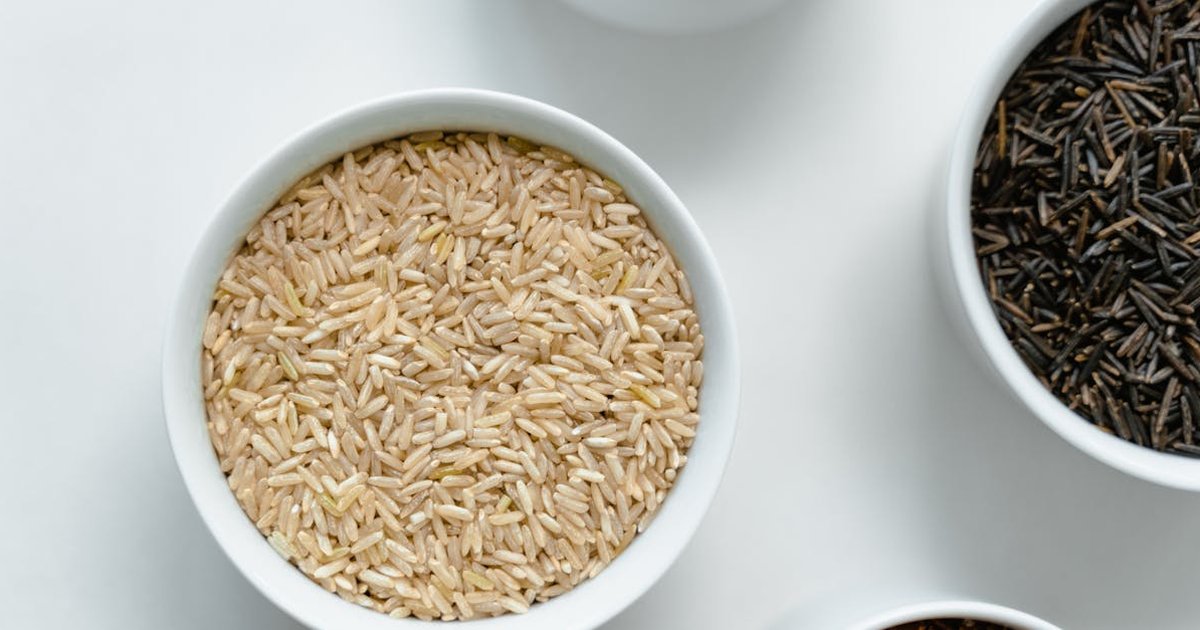
Agege Market emerges as Lagos State's mid-tier retail hub, where pricing diversity creates both opportunities and challenges for cost-conscious shoppers. According to FoodPrices NG market data spanning 108 products tracked directly at Agege Market, rice pricing alone demonstrates an 86% variation between local Abakaliki varieties at ₦800 per derica and premium imported long-grain options reaching ₦1,800 per derica — a difference of ₦1,000 that translates to ₦2,400 monthly savings for families purchasing weekly supplies.
The market's grain category reveals sophisticated pricing tiers that reflect Nigeria's complex agricultural supply chain dynamics. Local rice brands including Abakaliki, Pretty Lady, and Royal Stallion cluster around ₦800-900 per derica (approximately ₦1,040-1,170/kg), while imported varieties command premiums of 44-56% above domestic options. Big Bull Rice, straddling the premium local segment, prices at ₦900 per derica, while imported long-grain rice reaches ₦1,800 per derica — positioning it as the market's most expensive grain option at roughly ₦2,340/kg. This pricing structure mirrors Nigeria's broader food security challenges, where import dependency drives consumer costs significantly above locally-produced alternatives.
Bean pricing at Agege Market demonstrates the market's wholesale capabilities, with 50kg bags offering substantial per-unit savings compared to retail quantities. Oloyin beans, Nigeria's premium variety, cost ₦600 per derica but drop to ₦960/kg when purchased in 50kg quantities at ₦48,000 per bag. This represents a 17.8% bulk discount that could save regular bean consumers ₦426 monthly on a family's typical 10kg monthly consumption. Brown beans, positioned as the premium option, command ₦640/kg in bulk (₦32,000 per 50kg bag), while standard drum beans maintain consistent pricing across varieties at ₦48,000 per 50kg bag.
Fresh produce pricing reveals Agege Market's competitive challenges against Lagos's major wholesale hubs. Fresh tomatoes at ₦889/kg significantly underprice the broader market basket rates seen at competing locations, suggesting either direct farm relationships or aggressive pricing to maintain customer base. However, fresh pepper at ₦3,000/kg positions the market above several mainland alternatives, creating a mixed value proposition for vegetable shoppers. The ₦25,000 pricing for pepper bags and ₦40,000 for tatashe bags indicates markup pressures from supply chain constraints affecting the broader Lagos pepper market.
Oil and cooking fat categories demonstrate Agege Market's positioning as a neighborhood retail center rather than a wholesale destination. Kings Vegetable Oil at ₦2,000/L and ₦2,400/L (calculated from 5L pricing) aligns with standard Lagos retail pricing, while local palm oil matches these rates exactly at ₦2,000/L and ₦2,400/L for bulk purchases. This pricing parity suggests limited direct sourcing advantages, positioning Agege Market as a convenience rather than cost-savings destination for cooking oils.
Protein pricing reveals significant cost implications for household budgets, with cow meat at ₦7,000/kg representing 10% of Nigeria's ₦70,000 minimum wage for just one kilogram. Ponmo at ₦6,500/kg and eggs at ₦183 per piece (calculated from ₦5,500 per crate) create monthly protein costs of ₦22,000-28,000 for a family consuming standard portions, representing 31-40% of minimum wage income. These figures underscore the protein affordability crisis affecting Nigerian households across economic segments.
Garri pricing demonstrates regional preferences and processing variations, with yellow garri commanding a 25% premium over white varieties at ₦500 versus ₦400 per derica. The consistency across garri types — all pricing at ₦400/kg when calculated from 50kg bag rates of ₦20,000 — suggests standardized processing costs despite variety differences. For families substituting garri for more expensive rice, monthly savings of ₦8,000-12,000 become possible, representing meaningful budget relief in current economic conditions.
Provisions and processed foods reveal Agege Market's integration with Nigeria's formal retail supply chains. Dangote Sugar at ₦1,600/kg, Golden Penny Semolina at ₦1,700/kg, and Titus Sardines at ₦1,500 per can align closely with national retail pricing, indicating limited wholesale advantages in packaged goods. This positioning suggests consumers should focus their Agege Market shopping on fresh produce and staple grains while sourcing provisions from supermarket promotional pricing.
Tuber pricing creates compelling budget alternatives for carbohydrate-conscious families, with local yam at ₦2,000-3,750 per tuber and sweet potatoes at ₦1,500/kg providing cost-effective alternatives to expensive rice varieties. Local plantain at ₦1,500 per bunch offers another carbohydrate substitute, though seasonal pricing variations can significantly impact year-round budgeting strategies for these alternatives.
Comparison with Lagos's major markets reveals Agege Market's strategic positioning challenges. Mile 12 Market's extensive product range of 1,748 items versus Agege's 108 tracked products indicates limited selection diversity, while Oyingbo Market's 1,605 products suggest better wholesale access for bulk purchasers. However, Agege Market's mainland location provides transportation cost advantages for residents in Alimosho and surrounding Local Government Areas, potentially offsetting higher per-unit costs through reduced logistics expenses.
Wholesale versus retail dynamics at Agege Market favor bulk purchasers across most categories. Rice purchases in 50kg quantities offer per-kilogram savings of 15-20% compared to derica pricing, while beans show even stronger bulk advantages at 17.8% discounts. However, the market's limited wholesale infrastructure compared to dedicated wholesale centers like Mile 12 means optimal bulk pricing requires advance ordering and relationship development with specific vendors.
Optimal shopping strategies for Agege Market focus on maximizing the market's strengths while acknowledging its limitations. Consumers should prioritize local rice varieties, bulk bean purchases, and fresh produce selection while avoiding premium imported grains and packaged provisions. A strategic monthly shopping approach could involve ₦52,000 for rice (50kg Abakaliki), ₦48,000 for beans (50kg Oloyin), and ₦15,000 for garri (three 50kg bags), totaling ₦115,000 for staple grains serving a family of five monthly — representing 164% of minimum wage but providing superior nutrition compared to lower-cost alternatives.
Seasonal patterns and market development trends suggest Agege Market's role will continue evolving as Lagos's urban expansion pressures increase demand for neighborhood retail centers. The market's integration with both formal supply chains (evidenced by branded provisions) and informal networks (demonstrated by competitive fresh produce pricing) positions it as a hybrid retail model serving middle-income Lagos residents seeking convenience without premium pricing.
Looking ahead, Agege Market's competitive positioning depends on maintaining cost advantages in staple categories while improving selection diversity to compete with larger markets. Current pricing data suggests the market serves consumers prioritizing convenience and moderate bulk purchasing over absolute cost minimization, making it optimal for working families within a 10-15km radius who value consistent access over maximum savings. Monthly shopping budgets of ₦150,000-200,000 for a family of five can be effectively deployed at Agege Market with strategic category focus and bulk purchasing discipline.