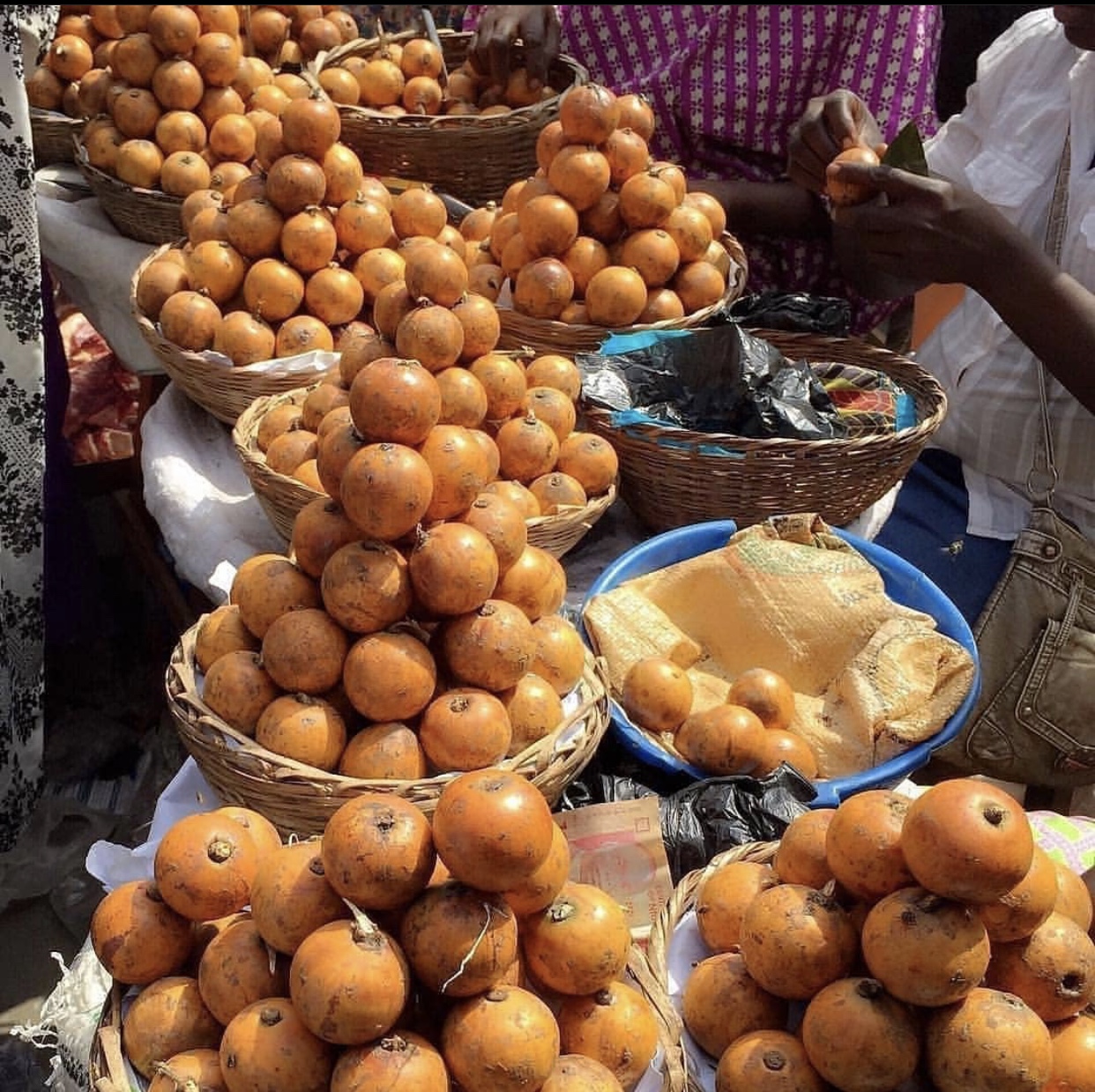
For a few months each year, agbalumo takes over Nigerian markets and roadsides, a tangy orange fruit known as udara in the south-east and ciwoh in the north. The ritual is familiar to almost everyone, and then, as quickly as it arrives between December and April, it disappears, according to The Guardian. What is less familiar is how much of that harvest is simply lost.
A Fruit That Mostly Rots
When agbalumo is in season, the fruit is so abundant that it is sold on nearly every street corner, yet much of it goes to waste for lack of preservation and processing, as one food specialist lamented in a widely shared profile of the fruit. The African star apple, botanically Chrysophyllum albidum, is a rich source of fibre, vitamin C, calcium and other nutrients, according to Pharmanews, which makes the seasonal glut and spoilage all the more costly.
A Goldmine Hiding in Plain Sight
Several major outlets have argued that agbalumo is a high-value crop with the potential to reshape Nigerian agribusiness rather than a mere childhood treat, noting that the trees remain underutilised and unprotected even as the country leans on food imports, according to reporting in Vanguard, The Nation and Daily Trust. The commercial case is concrete. Economic studies on producing juice from the fruit put the cost of a 500ml Tetra Pak of agbalumo juice at about ₦37.48, and the pulp is well suited to jams, jellies and soft drinks, while research findings on its properties have drawn interest from pharmaceutical companies, according to Pharmanews.
From Snack to Supply Chain
The opportunity extends across the value chain. Analysts of Nigeria's indigenous fruits point to agro-processing routes including juices, dried fruit snacks, jams, canned products and herbal teas, alongside growing global demand for exotic, nutrient-dense fruits, according to Agrofarmsupport. Turning a fruit that currently rots by April into a year-round product would lift incomes for the farmers and traders who depend on its short season, and cut the waste that quietly drains the food system.
FoodPrices Nigeria tracks verified retail prices across Lagos markets and follows the crops whose value is lost between the tree and the table. Agbalumo, for now, remains a goldmine that ripens and then rots.