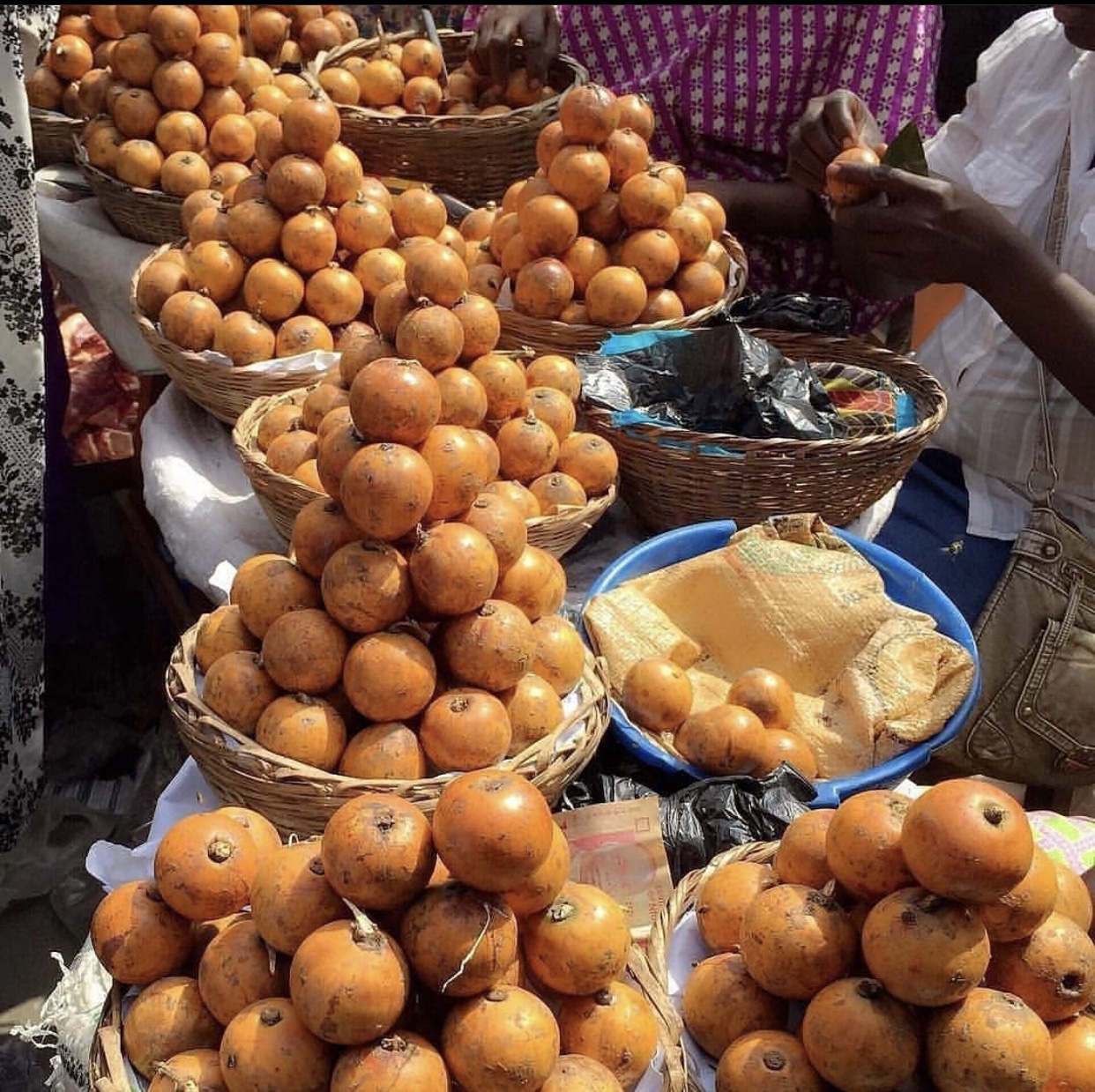
A tangy seasonal fruit that Nigerians have long bought from roadside vendors is quietly becoming a global talking point. Agbalumo, known as udara in the south-east and as the African star apple in English, is drawing a surge of demand from Africans abroad, with social media hype on platforms like TikTok and Instagram sparking curiosity even among non-Africans, according to a market profile by Destiny African Market.
A Superfruit Sold as a Snack
The fruit's nutritional profile helps explain the buzz. Botanically known as Chrysophyllum albidum, agbalumo is native to West Africa and appears in markets mainly between December and April, packing vitamins, antioxidants and fibre, according to Chiid Health. It contains more vitamin C than orange or guava and is rich in calcium, iron and potassium, and it has long served as a home remedy for ailments such as toothache, constipation and sore throat, according to BusinessDay. Research by scientists at Covenant University in Ogun State found the fruit could help lower blood sugar and cholesterol and may help prevent and treat heart disease, according to Gourmet Guide234.
Room to Add Value
Despite that promise, agbalumo is still sold overwhelmingly as fresh fruit with little processing. Its pink pulp can be turned into juice, jams, syrup, marmalade and soft drinks, while the oil from its seeds carries medicinal value, according to WebMD. That gap between how the fruit is consumed and how it could be packaged is the opening, because the brisk sale of agbalumo already provides a source of income for many people in rural areas, according to Gourmet Guide234.
A Seasonal Window and a Diaspora Market
The commercial catch is timing. Agbalumo is rare and seasonal rather than available year-round, which makes it a coveted treat that shoppers rush to buy before it disappears, and diaspora demand in markets such as the United States has pushed specialist stores to stock authentic supplies, according to Destiny African Market. For a fruit that grows wild across southern Nigeria and much of West Africa, the challenge is less about growing more and more about handling, preserving and branding it so it survives the journey from a Lagos roadside to a shelf abroad.
FoodPrices Nigeria tracks verified retail prices for fruits and staples across Lagos markets and follows the crops whose value Nigeria has yet to fully capture, from the farm gate to the export shelf.