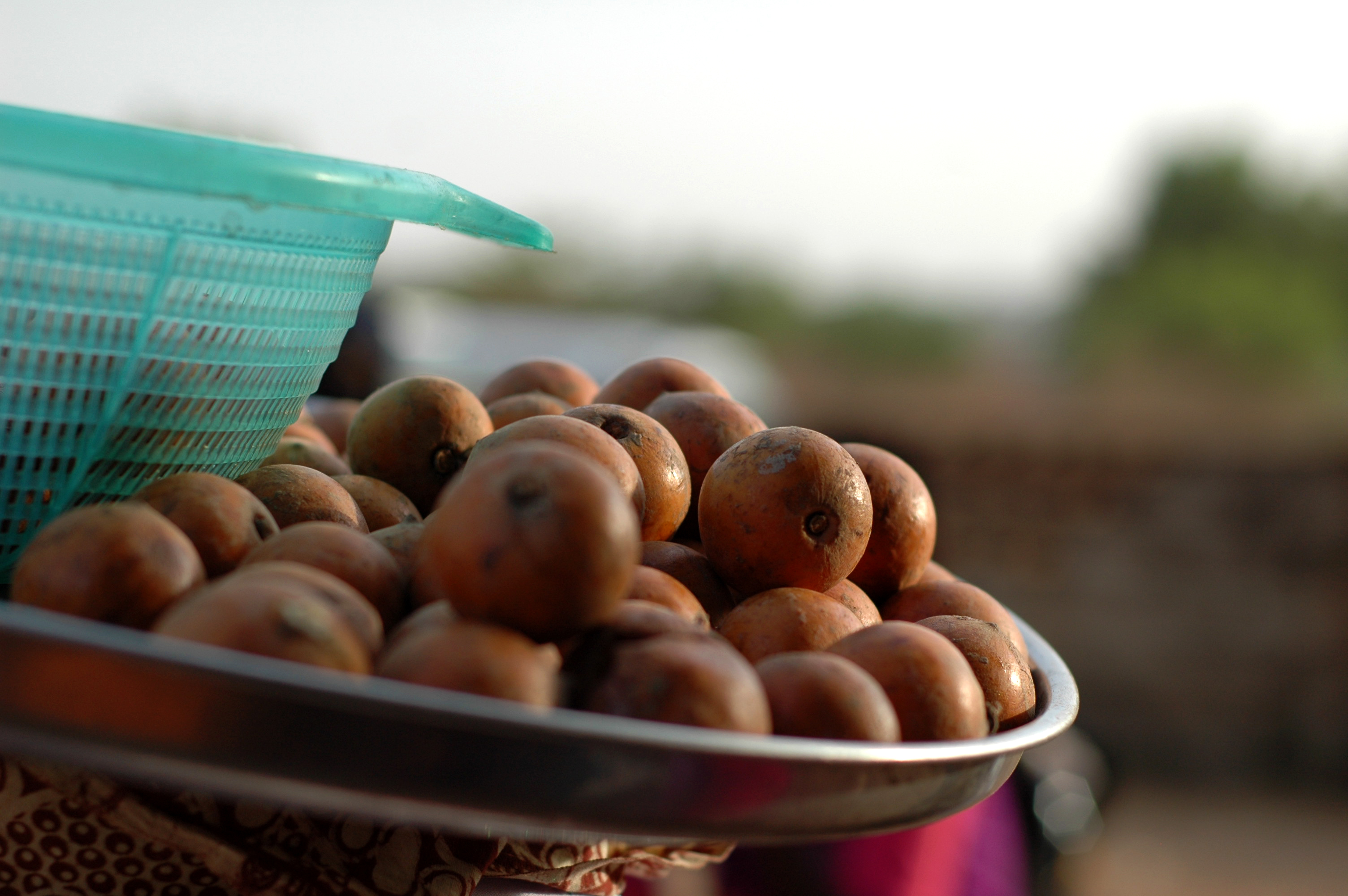
Every dry season, Nigerian streets fill with a sticky, orange, sweet-sour fruit that goes by many names, agbalumo in the South West, udara or udala in the South East and ciwoh in the North, all of them the African star apple. It is eaten as a snack and sold cheaply by roadside traders, and that casual trade has quietly become a real source of income for rural and urban vendors, farmers and small agripreneurs, according to BusinessDay. What few of those buyers realise is how much nutrition, and money, the fruit carries.
More Vitamin C Than an Orange
The African star apple is unusually rich in vitamin C, containing more than both orange and guava, alongside calcium, iron, potassium, phosphorus and magnesium, BusinessDay reported. A serving of about 100 grams delivers roughly four grams of protein and a useful dose of fibre and healthy fats, according to nutrition data compiled by WebMD. Researchers at Covenant University found that the fruit helped lower blood sugar and cholesterol and could support heart health, while a separate study at the Forest Research Institute in Ibadan found its leaves showed strong antibacterial activity against common pathogens, according to Pharmanews.
A Goldmine Left in the Bush
Despite that profile, the fruit is treated as a wild windfall rather than a crop. It is largely gathered from scattered trees during a short season that runs from about December to April, with little deliberate cultivation or orchard development. The gap is not academic. A field investigation near the Nigeria-Benin border found that fruits grown just across the frontier were noticeably sweeter, exposing how little Nigeria has invested in improving its own varieties, according to a feature by Vanguard, which described agbalumo as a high-value crop with the potential to reshape Nigerian agribusiness.
The Value Nigeria Skips
The real money lies in processing. The fruit can be turned into juice, jam, syrup, marmalade and dried-fruit snacks, and rising global demand for exotic, nutrient-dense fruits points to a genuine export opportunity, according to an analysis of indigenous fruits by Agrofarmsupport. The pink-hued pulp already lends itself to juices and soft drinks, WebMD noted, yet almost none of that value is captured at scale in Nigeria, where the fruit still spoils quickly and sells for a pittance.
Turning a seasonal wild fruit into processed products would steady incomes for thousands of traders and cut the waste that keeps returns low. FoodPrices Nigeria tracks verified retail prices across Lagos markets and follows the crops that shape rural incomes and the cost of everyday nutrition.