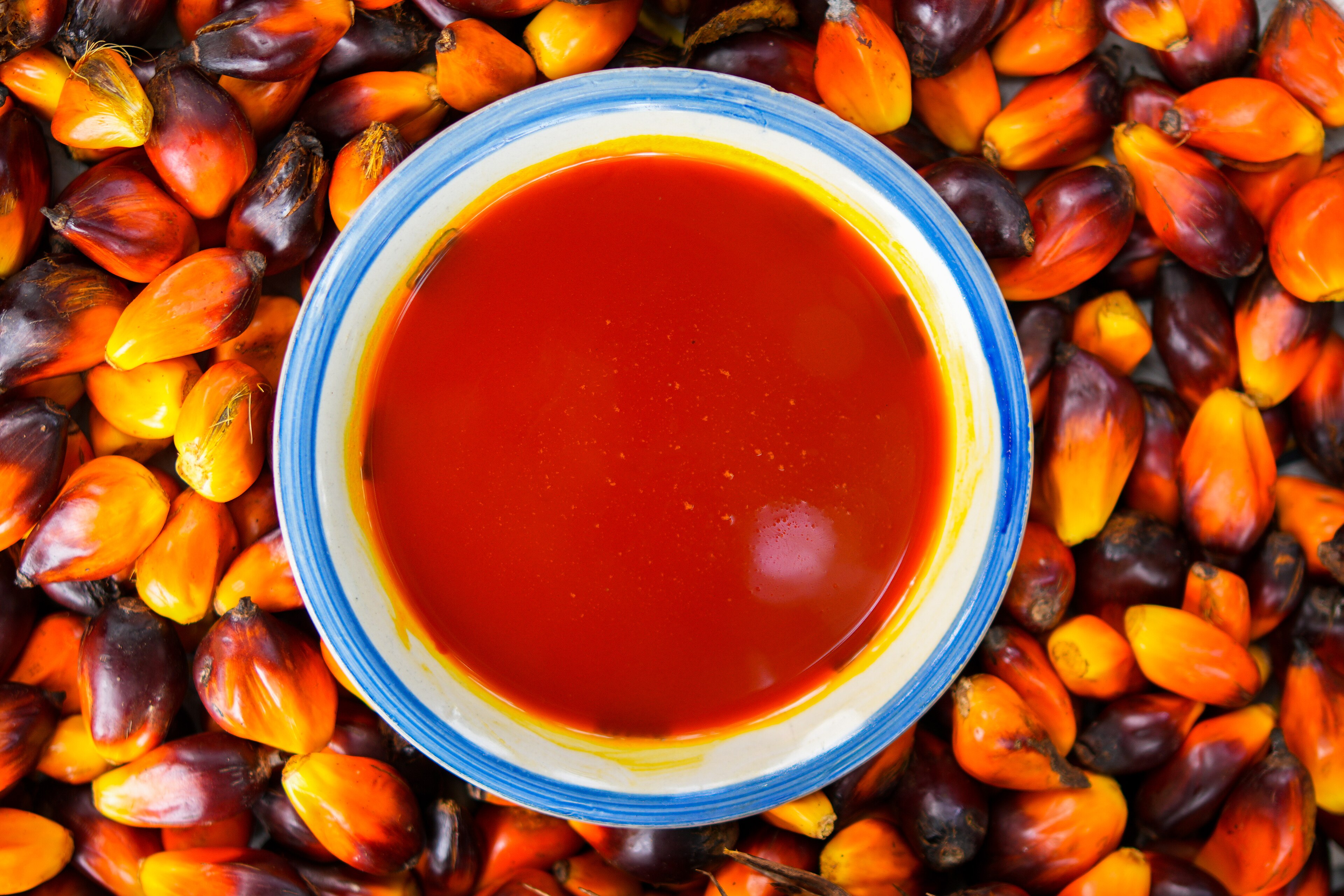
One of Nigeria's quieter agricultural leads is in palm kernel oil, the lauric oil pressed from the hard nut inside the oil-palm fruit and used in margarine, confectionery, specialty fats, soap and cosmetics. Nigeria is the largest producer in Africa, turning out about 160,000 tonnes a year, roughly 38 per cent of the continent's output, and it is also the biggest African consumer at about 163,000 tonnes, or 33 per cent of the total, according to market analysis by IndexBox.
A Co-Product Worth Capturing
Palm kernel oil sits at the end of a long chain. Fresh fruit bunches are harvested, milled for palm oil, then the nuts and kernels are recovered, dried and crushed to yield crude palm kernel oil, which is stored, traded and finally refined or converted into oleochemicals for downstream manufacturing, according to a market overview by Tridge, which describes Nigeria as a large producer whose exports are more variable than those of Southeast Asian leaders. The oil is distinct from ordinary palm oil, which is pressed from the fruit's pulp, and it commands a separate market tied to soap makers, food manufacturers and the cosmetics trade.
Raw Out, Refined In
The trade pattern is telling. In value terms, the Netherlands, Ghana and Germany are the largest destinations for palm kernel oil shipped from Nigeria, together taking about 79 per cent of exports, while Nigeria itself buys in supplies too, importing about 81 per cent of its palm-kernel-oil imports from Ghana and the rest from Cote d'Ivoire, according to IndexBox. Selling crude oil abroad while importing more refined or specialised grades means the higher-margin refining and oleochemical steps happen elsewhere.
A Value Chain That Stops Too Soon
The kernel story mirrors the wider oil-palm sector. Nigeria's palm oil output reached about 1.57 million tonnes in 2025 but still fell short of domestic demand of about 2.61 million tonnes, leaving a gap filled by imports, according to Nairametrics. Kernels feed the same soap, noodle and biscuit factories that depend on imported inputs, and analysts note that more than 80 per cent of palm production comes from smallholders using outdated methods, which caps both yields and the quality needed for premium processing, according to the Nigerian Observer.
Refining and processing more kernel oil at home would keep jobs and margins in Nigeria and steady the supply of a domestic oil. FoodPrices Nigeria tracks verified prices for oils and staples across Lagos markets, where stronger local processing could influence what households and food makers pay.