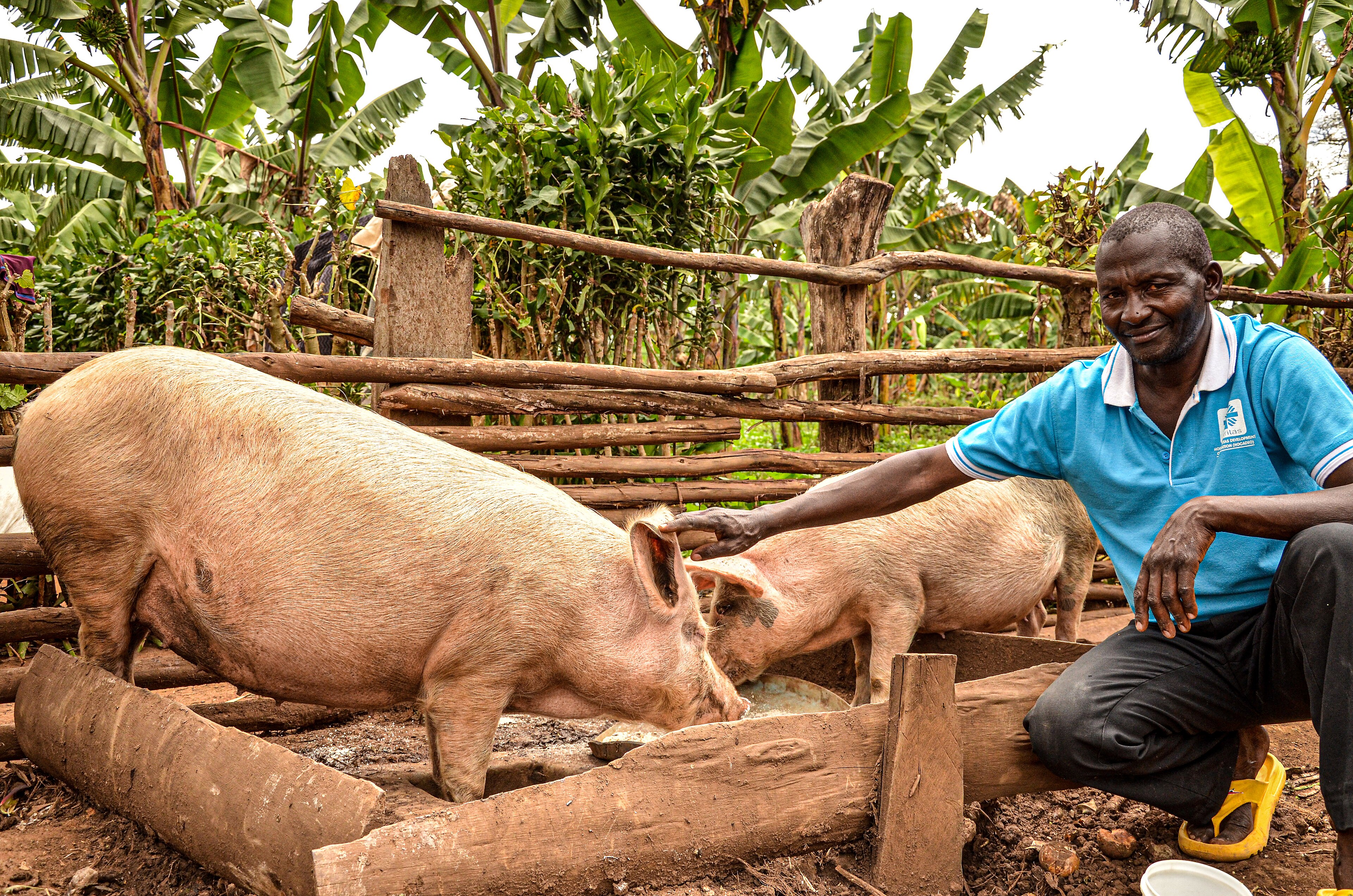
Pork rarely features in headlines about Nigerian agriculture, yet the country quietly leads the continent in producing it. Nigeria is Africa's top pork producer, with annual output above 303,000 tonnes, edging past South Africa, according to the Pig Farmers Association of Nigeria as reported by 3tres3, whose president attributed the position to a pig population exceeding eight million, more than half of West Africa's total.
A Southern, Small-Scale Industry
Production is dominated by small-scale farmers and concentrated in the south, since pork is little consumed in the mainly Muslim north. The Food and Agriculture Organisation counts Nigeria as Africa's largest swine producer with about nine million head and pork output near 309,000 tonnes, though per capita consumption sits at just 1.47 kilogrammes, below the West African average of 2.96 kilogrammes, according to a United States Department of Agriculture report. The same report noted that products in demand include lard, sausages, ham and bacon, pointing to room for processing.
The Oke-Aro Model and Its Risk
Much of the industry clusters together for efficiency. The Oke-Aro settlement on the Lagos and Ogun border is recognised as the largest pig farm estate in West Africa, home to more than a thousand farmers who supply pork to Lagos, Abuja and Port Harcourt, according to Entrepreneurs.ng, which listed Ogun, Oyo, Enugu and Benue as emerging piggery hubs. That clustering is also the industry's weakness. The longstanding practice of cluster farming has worsened outbreaks of African Swine Fever, a disease that can devastate herds and dent public confidence, according to a review in the Pan African Medical Journal tied to the validation of Nigeria's National Strategy for the Control of African Swine Fever.
Room to Grow
Pigs offer a fast route to protein, with shorter production cycles, large litters and high feed efficiency compared with cattle, which is why the sector keeps attracting new entrants even as beef and mutton stay costly, the USDA report noted. Better disease control and a shift from crowded clusters toward biosecure farms could turn Nigeria's production lead into cheaper, safer pork on the plate.
FoodPrices Nigeria tracks verified retail prices for proteins and staples across Lagos markets, where the health of the pig industry eventually shows up in the cost of meat.