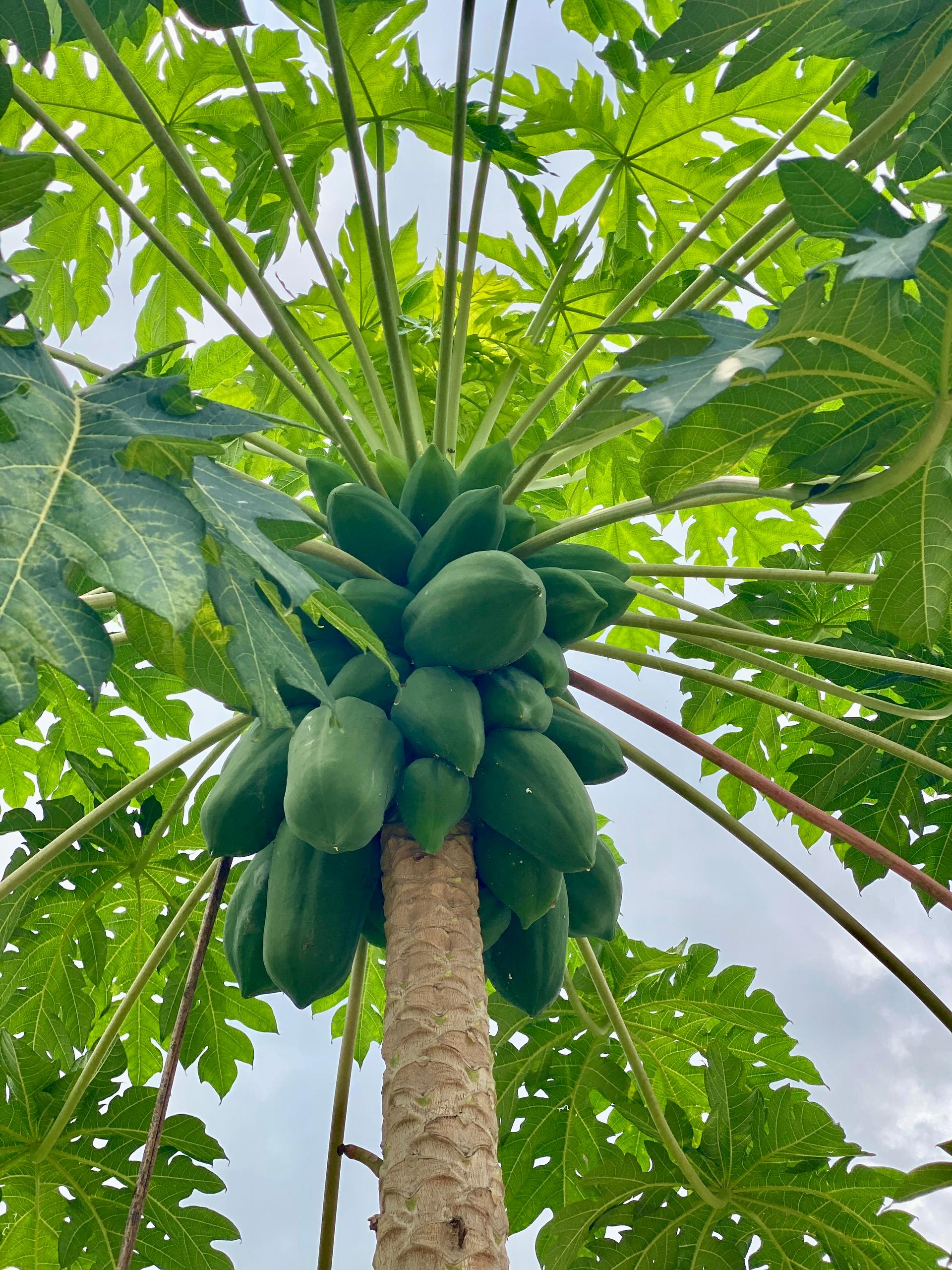
Nigeria grows more pawpaw than any other country on the continent, yet a large share of the harvest never earns a naira because it spoils first. The country is the largest pawpaw producer in Africa, accounting for more than 40 per cent of the continent's output, and produced about 1.8 million tonnes in 2019, ranking fourth in the world, according to Food and Agriculture Organisation figures cited by StartupTipsDaily.
A Fruit Built to Spoil Fast
The problem is baked into the crop's biology and the country's infrastructure. Much of the papaya grown in the tropics is consumed locally because the fruit is difficult to transport satisfactorily over long distances, according to the Raw Materials Research and Development Council, which notes global output of about 6 million tonnes a year led by India. Fresh pawpaw is highly perishable, with a short shelf life and bruise sensitivity that raise the risk of quality claims and waste whenever transit times stretch or cold-chain continuity breaks down, according to market analysis by Tridge. The same analysis notes that Nigeria is a significant West African producer whose crop is largely consumed at home rather than exported.
Value Left on the Ground
Pawpaw is far more versatile than its fresh-market image suggests. The fruit is commercially processed into juices, jellies, soft drinks and baby food, and it is a rich source of vitamins and enzymes, including papain, which has industrial and pharmaceutical uses, according to the Raw Materials Research and Development Council. Turning fruit into juice extends shelf life, reduces waste and gives farmers more ways to earn, and it is one of the most effective ways to cut post-harvest losses, according to a guide to fruit processing published by Qeeva. Without that processing layer, gluts at harvest collapse farm-gate prices while consumers in the cities still pay for scarcity weeks later.
The Missing Links
Growers point to familiar gaps. Pawpaw farming is held back by inadequate access to financing, poor road networks and a lack of mechanised handling, even though the crop offers high yields and strong nutritional demand, according to StartupTipsDaily. Exporters also face strict phytosanitary requirements for quarantine pests such as fruit flies, and non-compliance can trigger shipment rejection or treatment orders, according to Tridge, which keeps much of the crop tied to a saturated domestic market.
A fruit that Nigeria already leads in should be a steady earner, not a seasonal loss. FoodPrices Nigeria tracks verified retail prices across Lagos markets and follows the processing gaps that turn a bumper harvest into wasted value.