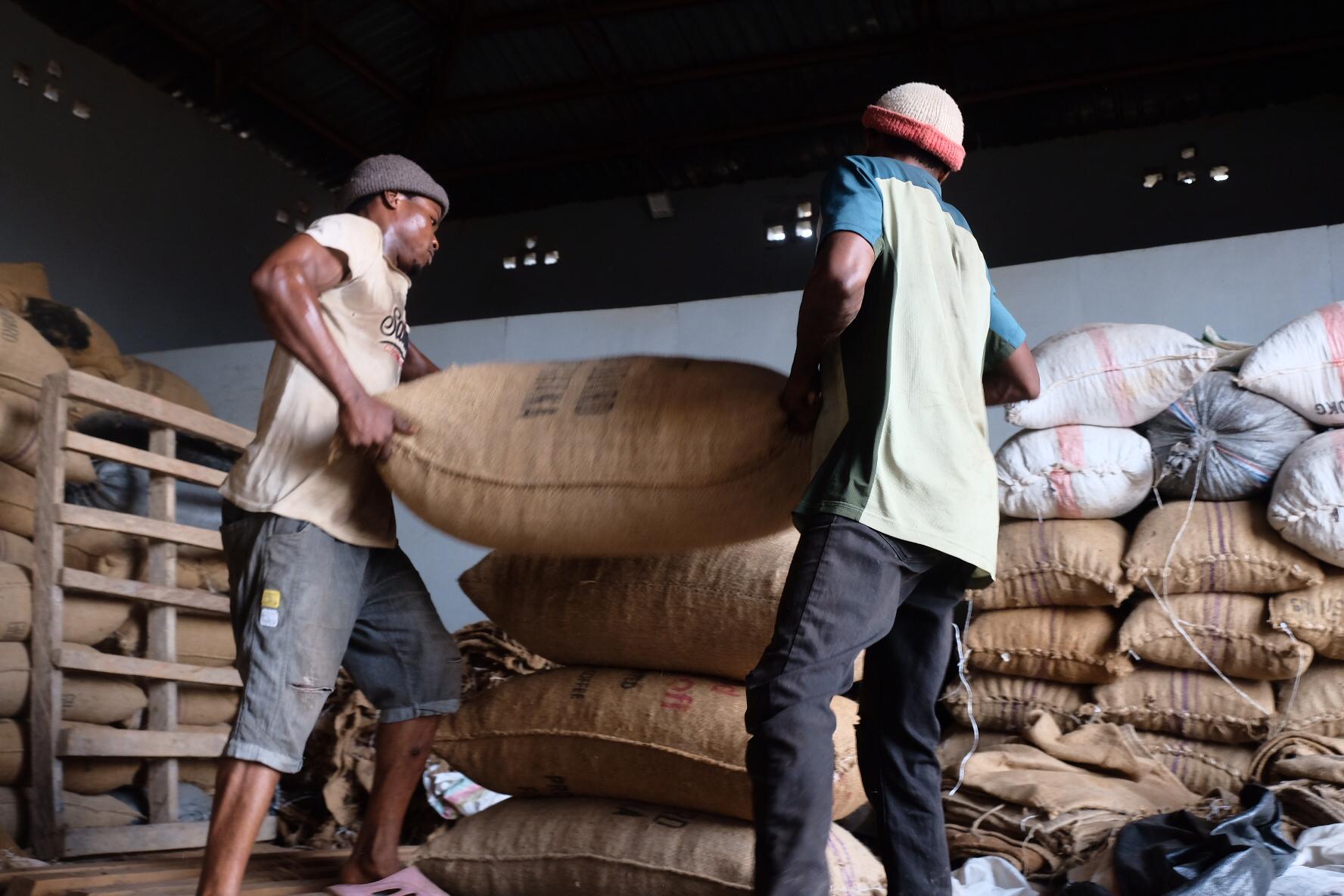
Four of the world's biggest cocoa producers have agreed to stop selling their crop cheaply as raw beans and start capturing more of the value locked in chocolate. At the 2026 Cocoa Value Addition Summit in Abuja, themed "From Bean to Brand," Nigeria, Ghana, Ivory Coast and Cameroon signed the Abuja Declaration establishing a Cocoa Value Addition Alliance, according to THISDAY. Together the four countries grow about two-thirds of the world's cocoa.
The Value Nigeria Wants Back
The economics behind the move are stark. Although Africa produces roughly 70 per cent of the world's cocoa, the continent retains barely six cents of every dollar generated by a global chocolate industry valued at between $130 billion and $165 billion, according to THISDAY. President Bola Tinubu, represented by the Minister of Agriculture and Food Security, Abubakar Kyari, said Nigeria would no longer export raw beans while importing finished value, according to Within Nigeria. The Minister of State for Industry, Trade and Investment, John Owan Enoh, said the alliance would end the era of "divide and discount," in which international buyers played neighbouring African nations against one another to push down farm-gate prices, according to the same report.
Money and Machinery Behind the Pledge
The declaration comes with financing and capacity to back it. Investors are building a 70,000-tonne cocoa processing facility in Sagamu, Ogun State, described as the largest in Nigeria's history, while the country's installed grinding capacity now exceeds 120,000 tonnes a year, according to Within Nigeria. An €85 million facility has been earmarked to support the shift, with €60 million immediately available as concessionary, long-term credit for domestic processors, cooperatives and medium-scale enterprises that convert beans into butter, liquor and finished chocolate, according to Streamline Feed. The bloc also agreed to adopt a common position on the European Union Deforestation Regulation, deploying unified traceability systems ahead of the rules taking effect for large and medium operators at the end of 2026.
No Outright Ban, Government Says
Even as the alliance commits members to end the raw-export model, the Federal Government has moved to clarify the limits of its plan. Kyari said the government has no intention of banning cocoa exports outright, and instead wants to encourage more local processing into products such as cocoa butter, powder and chocolate, describing reports of an outright ban as false, according to P.M. News. The same report noted that cocoa remained Nigeria's dominant agricultural export in the first quarter of 2026 even as overall farm exports slipped.
Whether processing at home lifts farmer incomes and steadies a notoriously volatile crop will take years to judge. FoodPrices Nigeria tracks verified retail prices across Lagos markets and follows the trade shifts that shape rural incomes and the wider food economy.