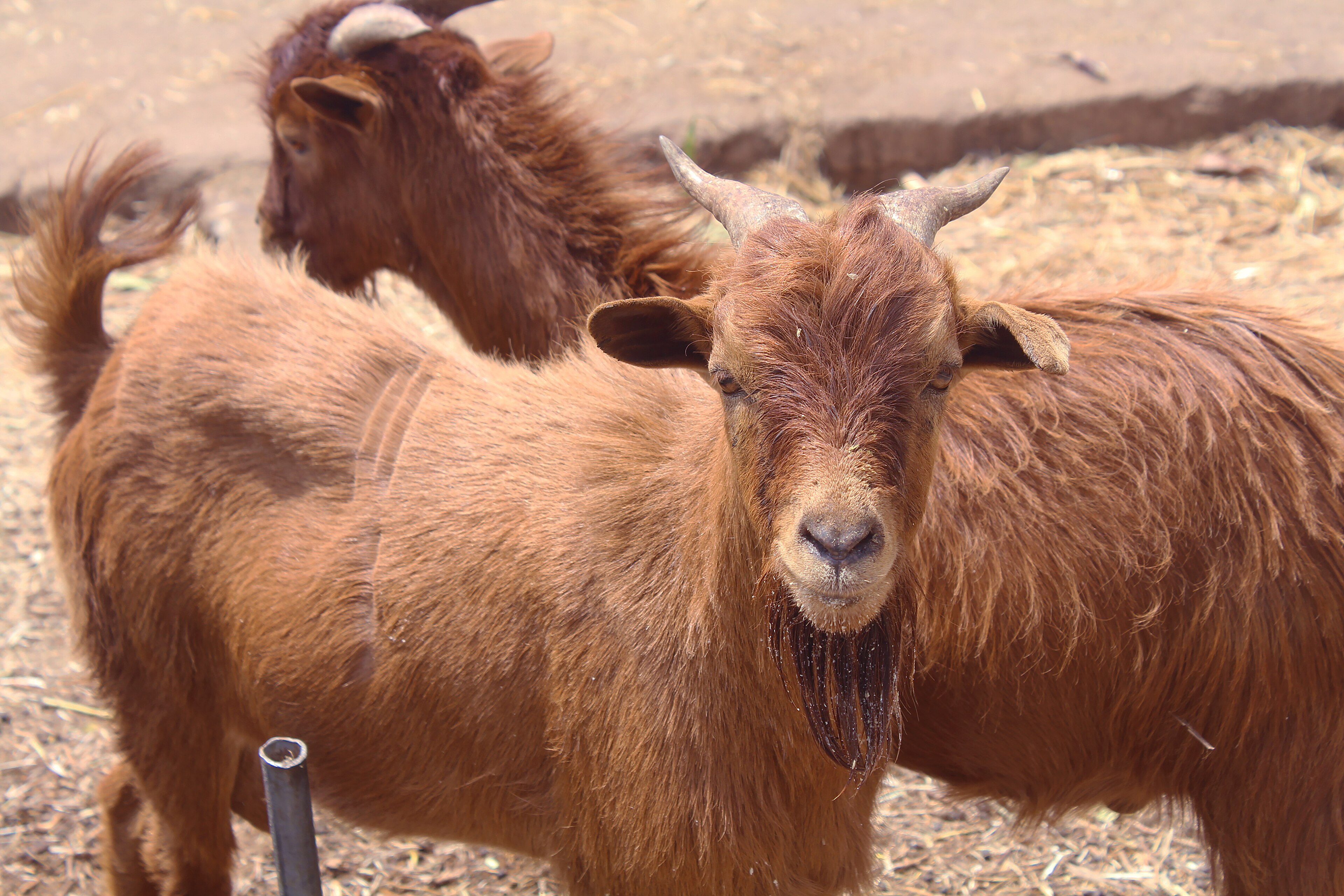
Nigeria owns more goats than any other country in Africa, yet it cannot meet its own demand for their meat. The national herd numbers roughly 88 million goats, and goat meat is the third most consumed meat after beef and chicken, commanding premium prices, according to a livestock sector analysis by the International Livestock Research Institute and partners. Alongside the goats sit around 49 million sheep, most managed in the northern zones.
The Largest Herd, Small Yields
Scale has not translated into supply, because most animals are raised in low-input, low-yield systems. Nigeria holds tens of millions of indigenous goats and sheep kept largely by pastoralists and smallholders who graze them on communal pastures and crop residues, with only a small number of farmers practising semi-intensive or intensive production, according to the CSIRO LiveGAPS programme. Value chains for small-ruminant meat and milk remain poorly developed, even though about 13 million people work in them.
Demand Outpaces Supply
The gap is set to widen. Demand for both mutton and goat meat is projected to rise by about 216 per cent by 2050, while supply is expected to grow by only about 159 per cent, according to the CSIRO LiveGAPS analysis, driven by population growth, rising incomes and shifting tastes. Nigeria has long been a net importer of sheep and goat meat, according to trade data compiled by the Food and Agriculture Organisation, and domestic goat-meat consumption has actually been drifting down, from about 376,000 tonnes in 2021 toward 347,000 tonnes, a sign of supply constraints rather than fading appetite, according to market data from Reportlinker.
Disease and Missed Value
Health shocks compound the productivity problem. Peste des Petits Ruminants, a highly contagious viral disease, is endemic nationwide and continues to kill animals and deter investment, the International Livestock Research Institute noted. Nigeria leads the continent in both goat-meat production and consumption, yet with export prices for goat meat climbing toward $5,843 per tonne in 2024 on tight global supply, the country captures little of that upside, according to market analysis by IndexBox.
Better breeds, animal health and organised markets would turn a vast herd into steady, affordable protein. FoodPrices Nigeria tracks verified retail prices across Lagos markets and follows the livestock trends that shape the cost of meat on Nigerian plates.