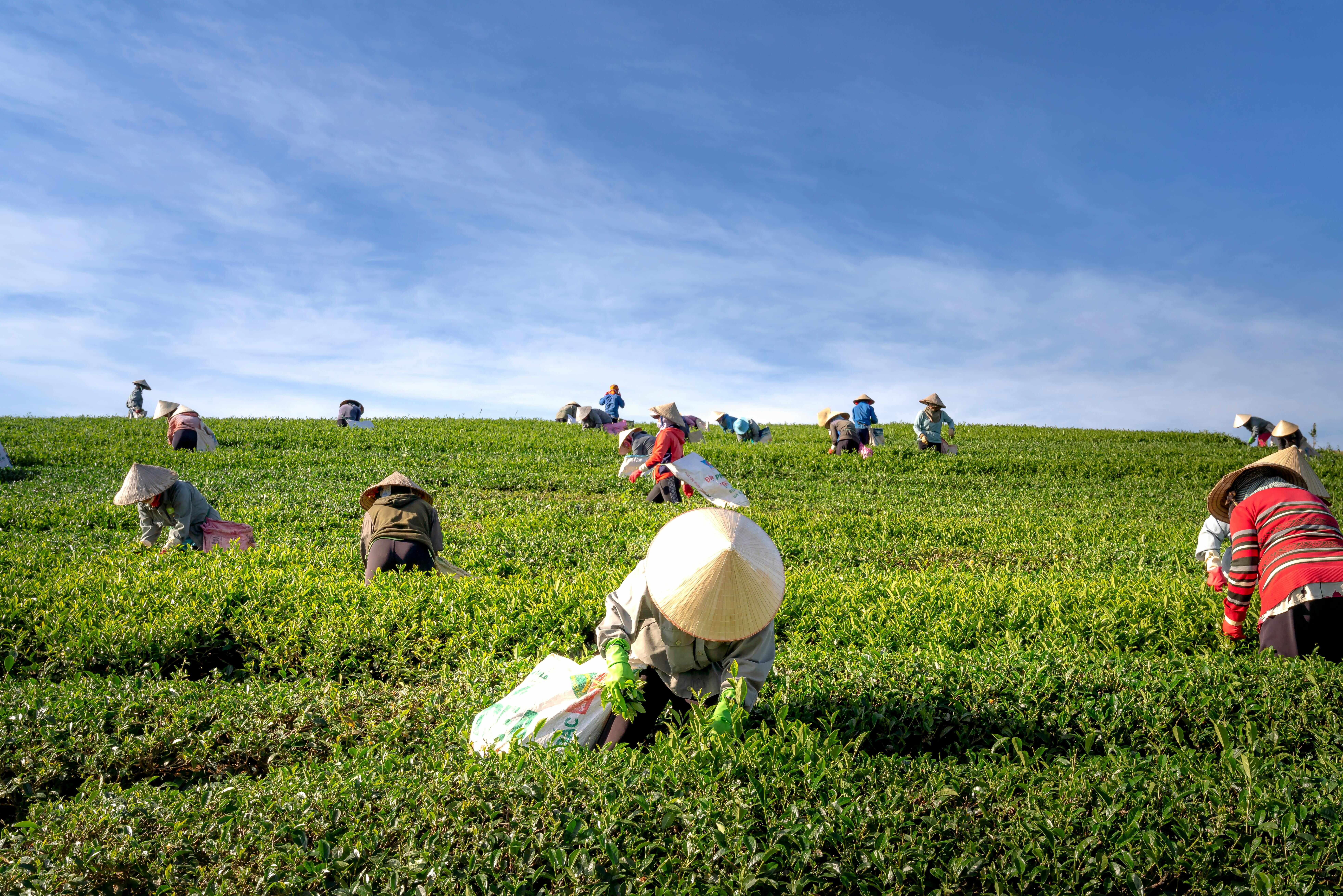
The Board of Directors of the African Development Bank Group has approved a $200 million loan to finance the second phase of Nigeria's National Agricultural Growth Scheme–Agro-Pocket (NAGS-AP), marking one of the largest single agricultural investments in the country's recent history. The financing will support expanded food production, strengthened value chains, and accelerated adoption of climate-smart, data-driven farming practices across the nation, as the AfDB announced in a press release (February 13, 2026).
The new loan will directly contribute to implementing five priority programmes under Nigeria's National Agricultural Technology and Innovation Policy (NATIP), as DevDiscourse reported (February 13, 2026). These cover access to quality agricultural inputs, strengthening value chains for priority crops, revitalising extension services, promoting digital and climate-smart agriculture, and enhancing agricultural data management.
Phase 2 targets ambitious production milestones: a fivefold increase in wheat production and a 20 percent rise in rice output, both designed to strengthen national food self-sufficiency while reducing Nigeria's heavy reliance on costly food imports. According to AgriTech MEA (February 17, 2026), the scheme will also widen access to crop insurance, helping farmers manage losses linked to climate risks.
Dr. Abdul Kamara, Director General of the AfDB's Nigeria Country Department, emphasised that Phase 2 builds directly on the strong results achieved under the first phase. Reporting from NewsDiaryOnline (February 20, 2026) quoted Kamara saying the programme will continue to play a critical role in reducing food imports, boosting local production, and advancing inclusive growth across the country.
The first phase of NAGS-AP delivered significant results. According to AgriTech MEA (February 17, 2026), approximately 650,000 smallholder farmers benefited from improved access to quality seeds, pesticides, and fertilisers through an ICT-based delivery system operating via more than 600 agro-dealers nationwide. Nigeria Startup Act (February 16, 2026) reported that the scheme supported the cultivation of 118,000 hectares of wheat during the 2023–2024 dry season and tripled national wheat output to approximately 500,000 metric tonnes.
The $200 million facility is structured as Sector Budget Support and follows an earlier $500 million loan approved by the AfDB in November 2025 for Nigeria's Economic Governance Programme, as TV360 Nigeria (February 13, 2026) and Brandicon Image (February 13, 2026) both reported, underscoring the bank's deepening commitment to Africa's largest economy.
Agriculture remains a cornerstone of Nigeria's economy. DevDiscourse's analysis noted the sector employs 38 percent of the working population and contributes 25.2 percent of gross domestic product, yet continues to face persistent challenges including low productivity, limited access to quality inputs, poor irrigation coverage, climate pressures, and land tenure issues.
The four-year project will begin implementation in March 2026 and aligns with AfDB President Sidi Ould Tah's Four Cardinal Points strategic vision, which emphasises empowering young people and women through technology, finance, and inclusive agricultural growth. A major focus of Phase 2 is supporting Nigerian youth to adopt commercially oriented farming practices, according to DevDiscourse (February 13, 2026).
The investment also supports the broader agricultural transformation agenda under the Tinubu administration. As Legit.ng (February 16, 2026) reported, the government declared a State of Emergency on Food Security in 2023 to prompt data-driven, coordinated interventions. Gazette Nigeria (February 20, 2026) added that the NAGS-AP financing complements the Renewed Hope GEEP 3.0 economic empowerment initiative.
For Nigeria's food markets, this investment could gradually ease supply-side pressures that have driven food prices sharply higher in recent years. If Phase 2 delivers on its wheat and rice production targets, the resulting import substitution could meaningfully reduce the country's exposure to volatile global grain prices and foreign exchange fluctuations that currently amplify domestic food inflation.