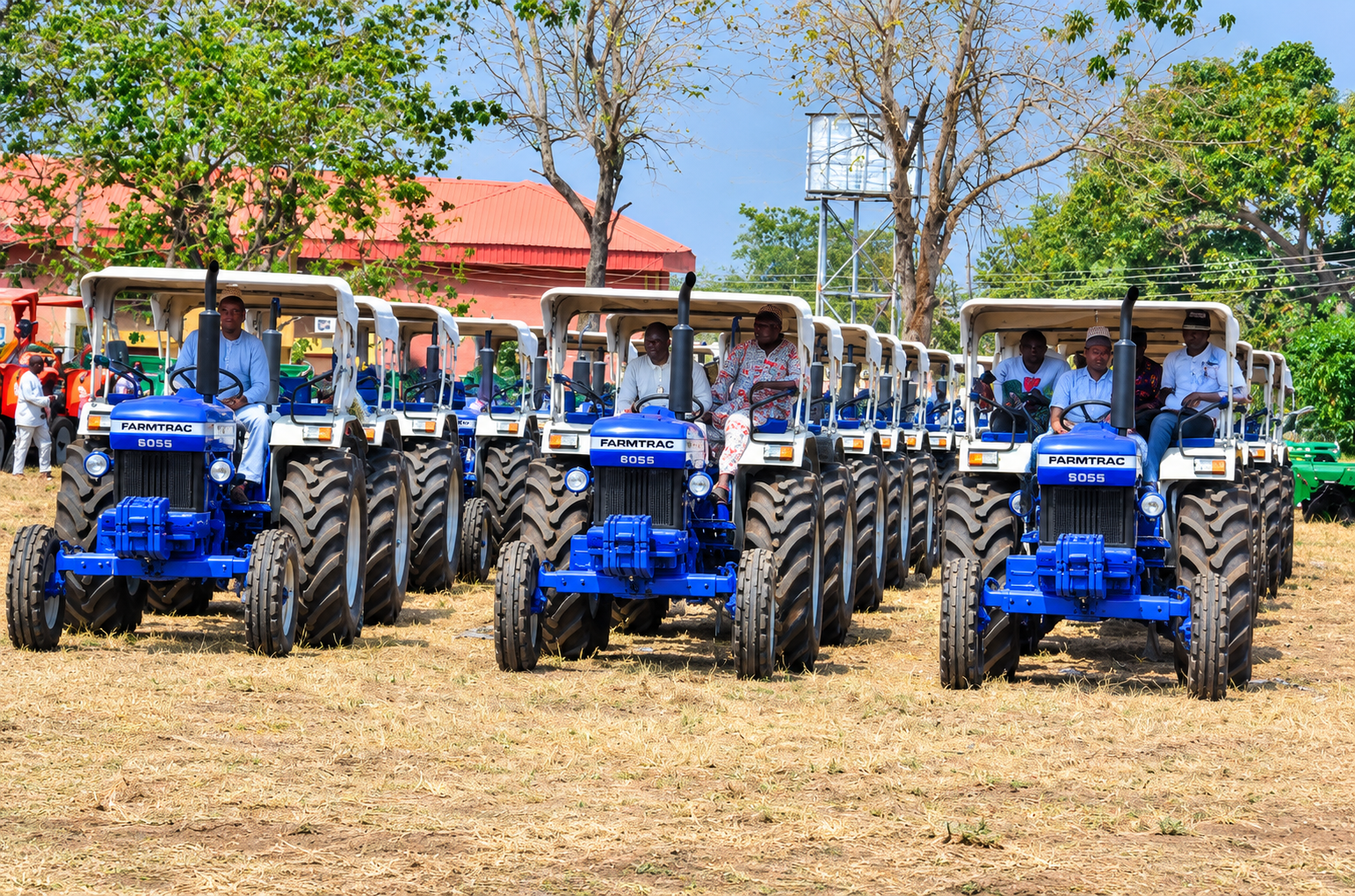
Adamawa State has approved a package of development projects worth more than ₦5.6 billion covering agriculture, infrastructure, education and counter-terrorism, in a state where hunger and insecurity are tightly linked. The decisions were taken at the State Executive Council's 13th meeting of 2026, held at the Government House in Yola and chaired by Governor Ahmadu Umaru Fintiri, according to Daily Trust.
Farms and Security in One Basket
By folding agriculture into the same approval as counter-terrorism measures, the state is treating food production and safety as parts of a single problem, an approach shaped by its location in Nigeria's troubled North East. That region is the epicentre of a food crisis in which Emergency-level hunger persists in the worst conflict-affected areas and Crisis conditions are expected to continue across much of the north into January 2027, according to the Famine Early Warning Systems Network. Armed groups have imposed cultivation bans and levies that suspend the growing of maize, yam, rice and other staples during the planting and harvest window.
A State Under Pressure
The stakes for Adamawa specifically are high. The Cadre Harmonisé analysis projected that 1.4 million people in the state would be food insecure between June and August 2026, part of the 34.7 million people at risk nationwide, according to The Guardian. Nationally, food inflation reached 17.52 per cent year-on-year in June 2026, according to Premium Times, keeping pressure on household budgets across the country.
Money That Still Has to Move
State-level spending on agriculture matters because national investment has lagged. ActionAid Nigeria has warned that the combined 2026 agricultural budget of the states and the Federal Capital Territory stands at just 4.58 per cent, well below the 10 per cent African Union target, even as the Federal Government rolls out a 10-year agrifood strategy, according to Vanguard and THISDAY. Whether approvals like Adamawa's translate into real capital on the ground will decide their impact.
Farm spending in a food-insecure state feeds into the national supply picture that sets prices everywhere. FoodPrices Nigeria tracks verified retail prices across Lagos markets, the practical test of whether state investment reaches the shopper.