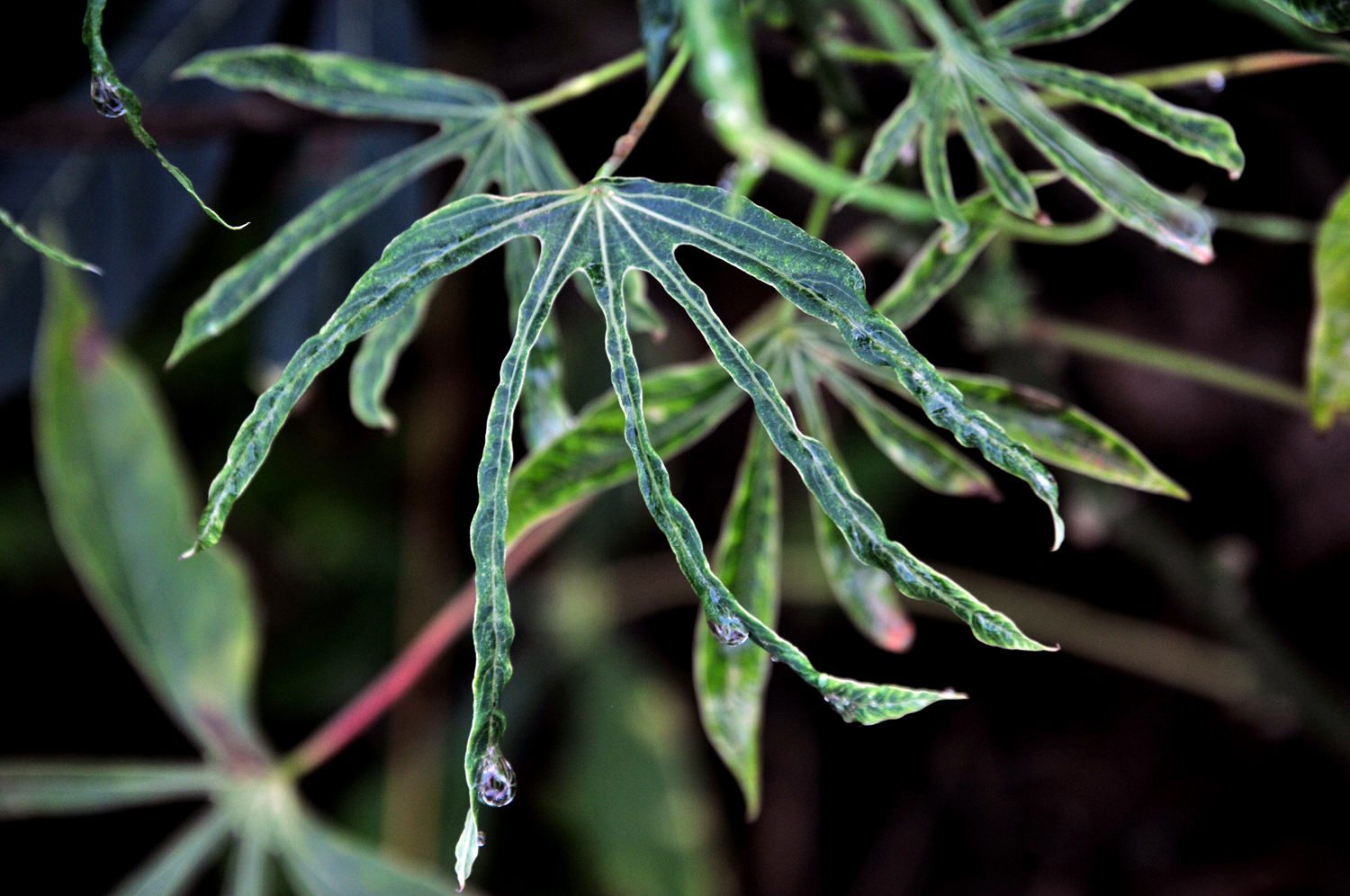
Nigeria grows more cassava than any other country on earth, which is exactly why a pair of fast-spreading viruses now circulating in East and Central Africa has the country's researchers on alert. Cassava Brown Streak Disease, which causes rotting streaks in the roots and can destroy an entire harvest, is spreading westward from Uganda, and scientists fear it could reach the major producers of West Africa, Nigeria and Ghana, if control measures are not strengthened, according to Down To Earth.
A Threat Not Yet at the Gate
For now, the worst of the danger sits beyond the border. The Central and West African Virus Epidemiology project has warned Nigerian farmers that a virulent strain of Cassava Mosaic Disease driven by the Ugandan variant of the East African cassava mosaic virus, along with Cassava Brown Streak Disease in East Africa, has not yet arrived in Nigeria but could emerge at any time, according to The Guardian. The project's South-South and South-East country director, Dr Chukwuemeka Nkere, made the appeal at a farmers' field day organised with the National Root Crops Research Institute in Abia State, urging holistic surveillance and preventive measures. The same body has already run sensitisation campaigns further north, alerting cassava farmers in Kebbi to the new mosaic virus, as Worldstage reported.
A Regional Line of Defence
The response is being framed as a shared, cross-border effort rather than a national one. At the Plant Health Regional Convening in Abuja, themed around scaling plant-health partnerships across Central and West Africa, agricultural leaders called for stronger cooperation to fight the pests and diseases threatening cassava, warning that viral threats do not stop at national boundaries, according to AgroNigeria. The Executive Director of the National Root Crops Research Institute, Professor Chiedozie Egesi, said Nigeria must work with neighbours such as Togo and Cote d'Ivoire to contain diseases spread by insect vectors, and urged closer attention to the whiteflies driving transmission along the value chain. The National President of the Nigeria Cassava Growers Association, Mustapha Othman Bakano, said protecting cassava genetic material requires collective commitment from government, researchers, farmers and funders, the same report noted.
Why the Whitefly Matters
Both viruses share a carrier, the whitefly Bemisia tabaci, and a bad habit among smallholders of reusing cuttings from previous harvests, which can pass infection from one season to the next, according to Down To Earth. Researchers recommend clean, virus-free planting material produced through tissue culture, resistant varieties, farmer surveillance networks for early detection, and integrated management of whitefly populations. The stakes are high because cassava is a calorie backbone for millions and the raw material behind garri, fufu and a growing list of industrial products.
Cassava underpins some of the cheapest food on a Lagos plate, from garri to fufu, so a disease that reaches Nigerian farms would eventually be felt at the market. FoodPrices Nigeria tracks verified retail prices across Lagos markets and follows the crop-health threats that could tighten supply of the country's most widely eaten staple.
#Cassava, #PlantHealth, #FoodSecurity, #Nigeria, #Lagos, #FoodPrices, #Agriculture, #NRCRI, #CropDisease