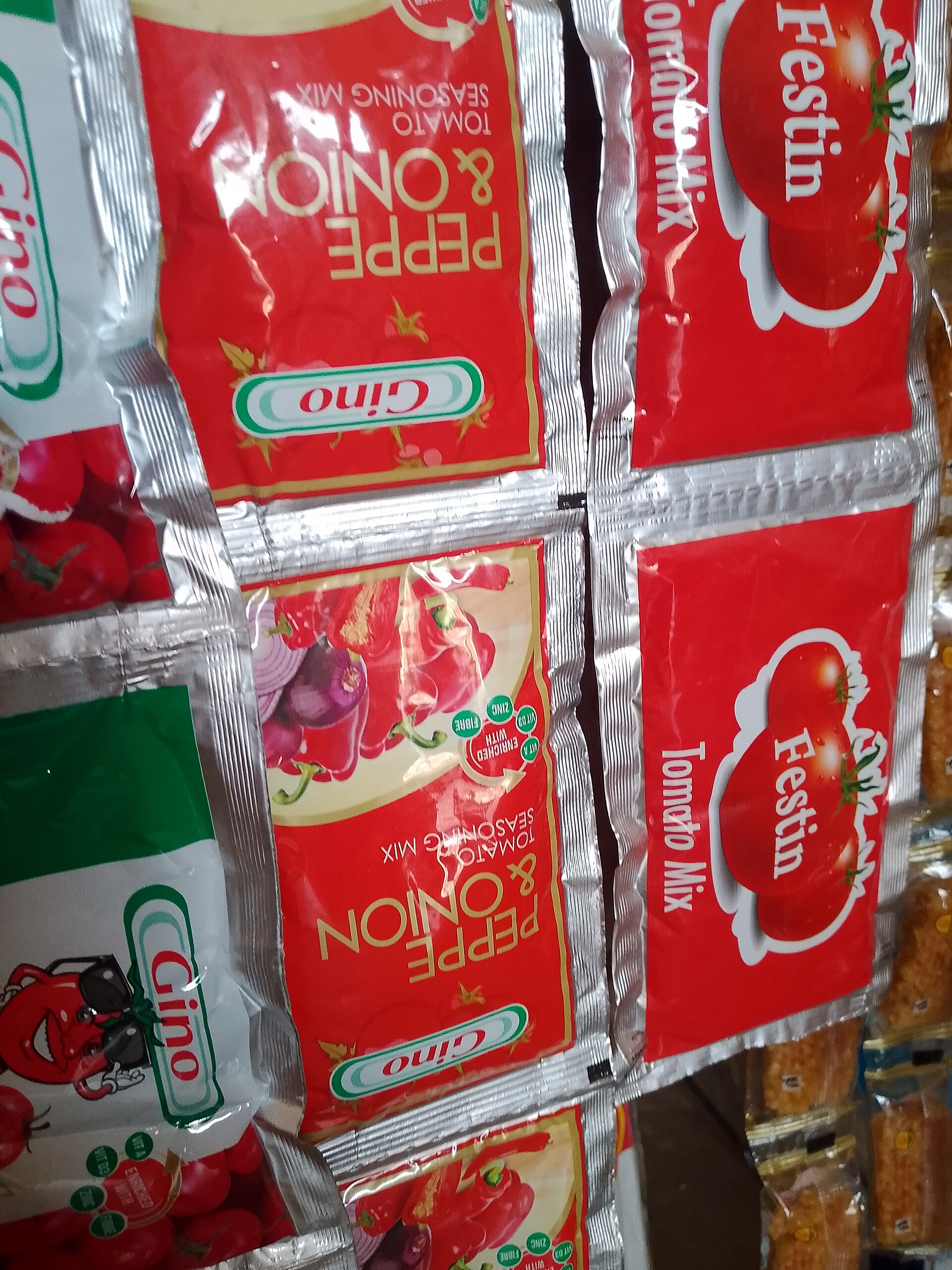
A quiet upheaval in the global tomato paste trade is redrawing where the world's ketchup, stews and sauces get their base ingredient. China's western Xinjiang region spent a decade building a tomato paste powerhouse, lifting processing from 4.8 million tonnes in 2021 to around 11 million tonnes in 2024, before output fell to an expected 3.7 million tonnes in 2025 as European demand all but collapsed, according to New Food Magazine, drawing on a Financial Times analysis.
Europe Pulls Back
Much of that lost demand came from Italy, the world's leading exporter of finished tomato products, which had blended cheap Chinese concentrate with local tomatoes. Chinese processed tomato exports to Italy fell by about 76 per cent in the first nine months of 2025, and across the European Union imports from China dropped by more than two-thirds, leaving China sitting on an estimated 600,000 to 700,000 tonnes of unsold paste, New Food Magazine reported. The retreat followed consumer backlash and tighter regulatory scrutiny tied to forced-labour concerns in Xinjiang, according to European Business Magazine.
Where the Paste Flows Now
With traditional Western markets nearing saturation, West Africa and the Middle East have emerged as hotspot corridors for bulk tomato paste, with import volumes rising about 28 and 27 per cent year on year, and origins such as China and Iran racing to meet the demand, according to WongCW. China alone exports well over a million tonnes of paste each year, much of it to the Middle East, Africa and beyond, as Tomato News reported. Even so, depleted global inventories have kept prices firm through the first half of 2026.
Nigeria is one of the biggest tomato paste buyers in that fast-growing West African corridor. FoodPrices Nigeria tracks verified tomato and paste prices across Lagos markets, where a distant glut and shifting trade routes eventually reach the kitchen shelf.