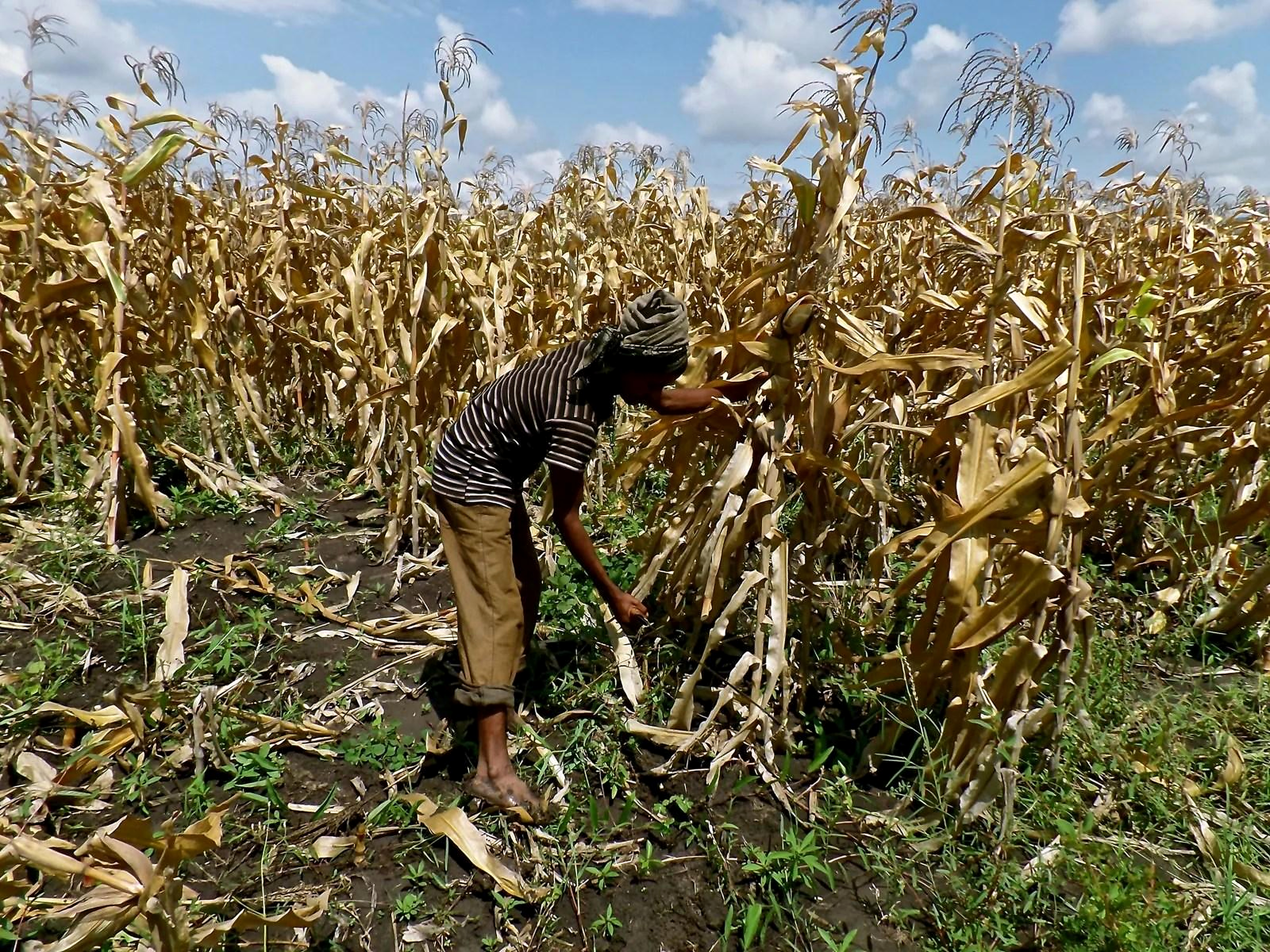
Nigeria's food-security outlook could tighten as the 2026 harvest approaches, with reduced cultivation, insecurity, high input costs and climate variability threatening the volume of staples expected from the north, according to BusinessDay. For a country that leans heavily on northern farms to stock its major markets, a soft harvest would prolong pressure on prices well past the lean season.
The Numbers Point Down
The projections are pointing the wrong way for shoppers. The United States Department of Agriculture's Foreign Agricultural Service forecasts Nigeria's 2026/27 rice production at 8.3 million tonnes, a 6 per cent decline from 8.8 million tonnes, with the harvested area falling 7 per cent to 4.2 million hectares, according to BusinessDay. The pressure extends to maize, which the agency projects at 10.9 million tonnes, 5 per cent below the previous year, with the harvested area expected to shrink 8 per cent to 4.8 million hectares, a decline it linked largely to high input costs and falling farmgate prices, the same report noted.
Why the North Carries the Weight
The stakes are heaviest where the guns are loudest. Emergency-level food insecurity persists in the worst conflict-affected and inaccessible parts of the North East, where restricted movement prevents households from reaching farmland and markets in Borno local government areas such as Abadam, Bama, Guzamala, Kukawa and Marte, according to FEWS NET. Crisis-level outcomes are expected to continue across much of northern Nigeria through January 2027, with suspected bandits and other armed groups sustaining attacks on farming communities in Benue, Borno, Kaduna, Katsina, Kwara, Niger, Plateau, Sokoto and Zamfara states, resulting in abductions, destroyed farmland, imposed levies and cultivation bans that reduce both household income and national food availability, the same outlook reported.
The Price Risk
The arithmetic is straightforward. If the coming harvest fails to generate enough supply to replenish markets after the lean months, food prices are likely to stay elevated and household purchasing power to stay under strain, according to BusinessDay. A smaller planted area now tends to surface as firmer prices later, long after the fields have been abandoned or left uncultivated.
Harvests set the ceiling on supply, and supply sets the floor under prices. FoodPrices Nigeria tracks verified retail prices for rice, maize and other staples across Lagos markets, where a thinner northern harvest eventually reaches the shopper.