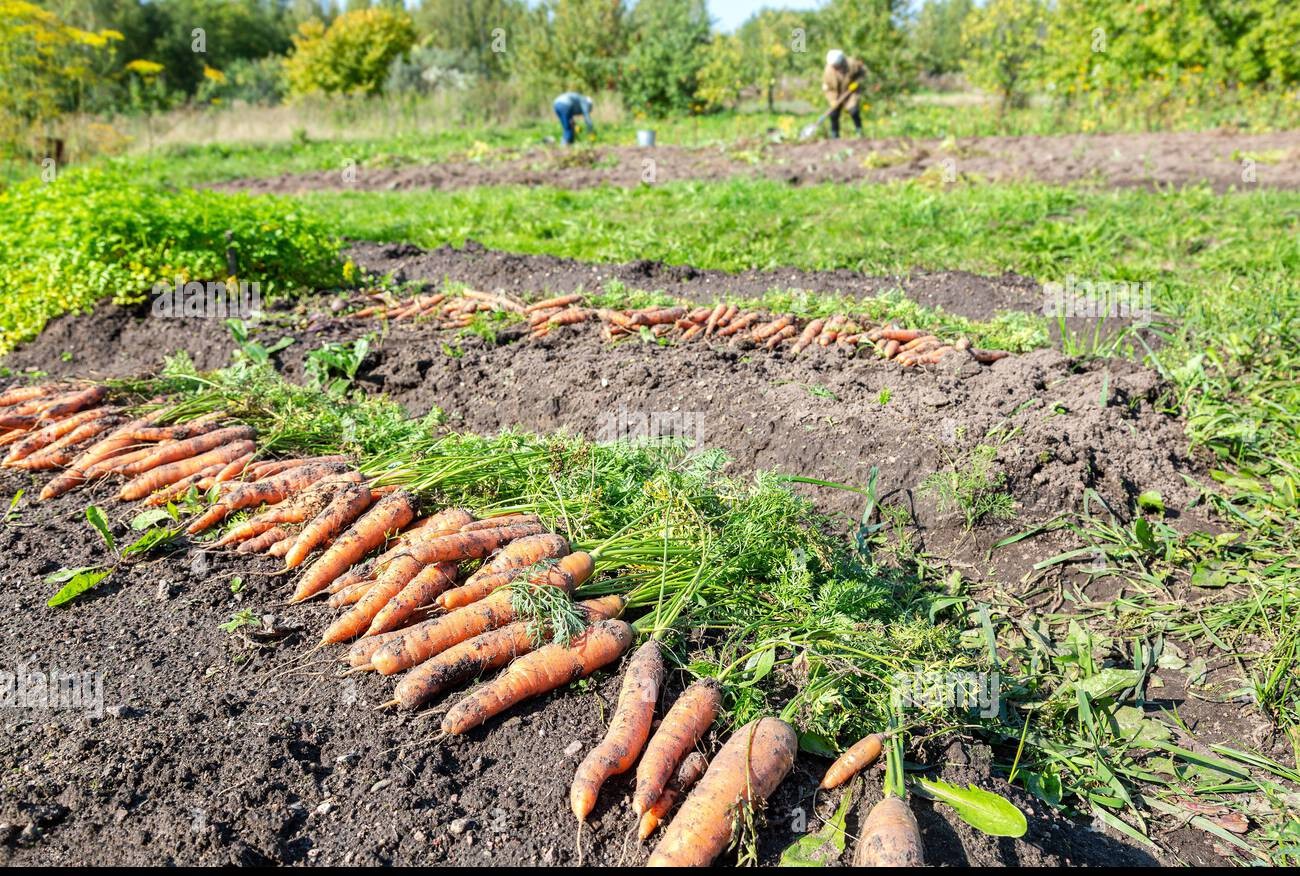
Nigeria's food-security outlook could come under renewed strain as the 2026 harvest approaches, with reduced cultivation, insecurity, high input costs and climate variability all threatening the volume of staples expected from northern Nigeria, according to BusinessDay. The north supplies the bulk of the country's grain, so a weak season there is felt on plates nationwide.
A Paradox in the Fields
The picture is not uniformly bleak, which is what makes it hard to read. More farmland may be returning to production in some areas as displaced communities resettle, yet national output can still fall if productivity, security, input affordability and market access do not improve in step, according to BusinessDay. Governments have leaned hard on inputs to counter the risk, with Kaduna alone distributing 500 trucks of fertiliser to more than 150,000 smallholder farmers during the 2026 season, and federal and state programmes targeting rice, sorghum, millet, maize, wheat and soybeans, the same report noted.
The Test Ahead
Whether that spending translates into food is the open question. The 2026 harvest will show whether higher public outlays and restored access to farmland can deliver higher yields, lower production costs and larger volumes reaching markets, according to BusinessDay. The stakes are visible in the price data, with food inflation still running at 19.57 per cent year-on-year in August even after a recent easing, according to BusinessDay.
FoodPrices Nigeria tracks verified retail prices for grains and other staples across Lagos markets, where a disappointing northern harvest would surface first as tighter supply and firmer prices.
#FoodSecurity, #Harvest, #NorthernNigeria, #Insecurity, #Inputs, #Nigeria, #Lagos, #FoodPrices, #Agriculture