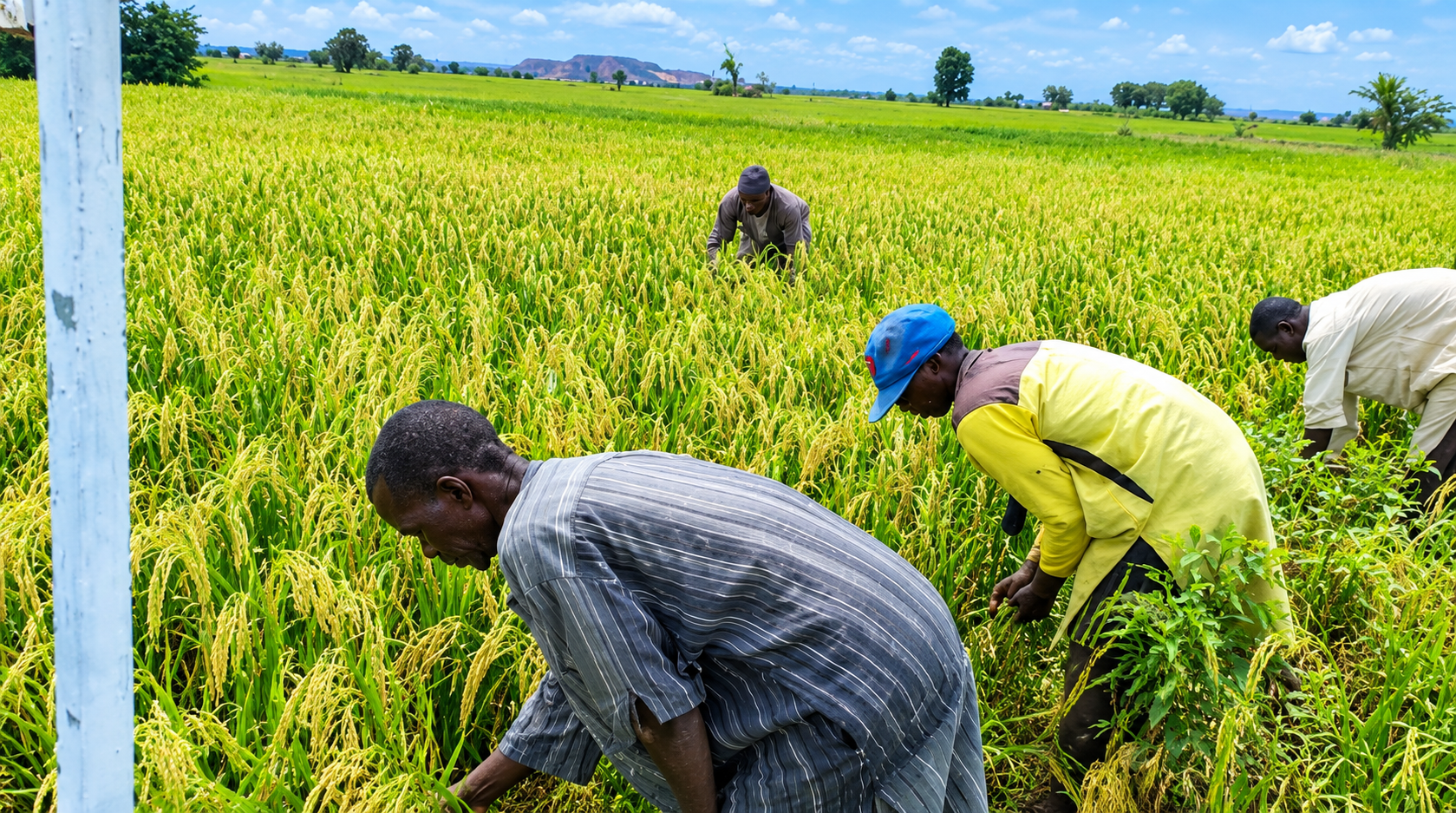
Two of Africa's leading agricultural research organisations have joined forces to raise rice output and chip away at a costly import habit. The Africa Rice Center, known as AfricaRice, and the African Agricultural Technology Foundation have launched a five-year partnership aimed at improving rice production, strengthening food and nutrition security and reducing the continent's estimated $6 billion rice import bill, according to MSME Africa.
Research Meets Scale
Formalised through a memorandum of understanding, the agreement pairs AfricaRice's expertise in rice research and technology with the foundation's experience in scaling innovations to smallholder farmers across 32 African countries, the same report noted. The two bodies plan to strengthen the rice value chain by expanding farmers' access to improved varieties, including high-yielding hybrid rice, and by promoting technologies that lift productivity from seed production through to processing and marketing.
From Seed to Mill
The collaboration will focus on quality seed production and distribution, good agricultural practices, mechanisation, decision-support tools for efficient input use and better processing technologies, according to MSME Africa. The Director-General of AfricaRice, Dr Baboucarr Manneh, said the partnership was designed to bridge the gap between scientific research and practical application, developing mechanised tools that reduce drudgery in rice production, improve processing efficiency and raise the quality of locally milled rice.
Why It Matters for Nigeria
The stakes are high for Nigeria, the region's largest rice consumer and a heavy importer. Domestic production has been under pressure, with traders warning of a projected fall in the 2026 crop and the United States Department of Agriculture flagging a roughly 5 per cent year-on-year decline, according to All Time Post. Better seed, higher yields and improved milling are precisely the levers that could narrow the gap between what Nigeria grows and what it eats, easing the pressure that pushes rice prices higher during the lean months.
FoodPrices Nigeria tracks verified rice prices across Lagos markets and follows the research and seed advances that could, over time, steady what a bag of rice costs.