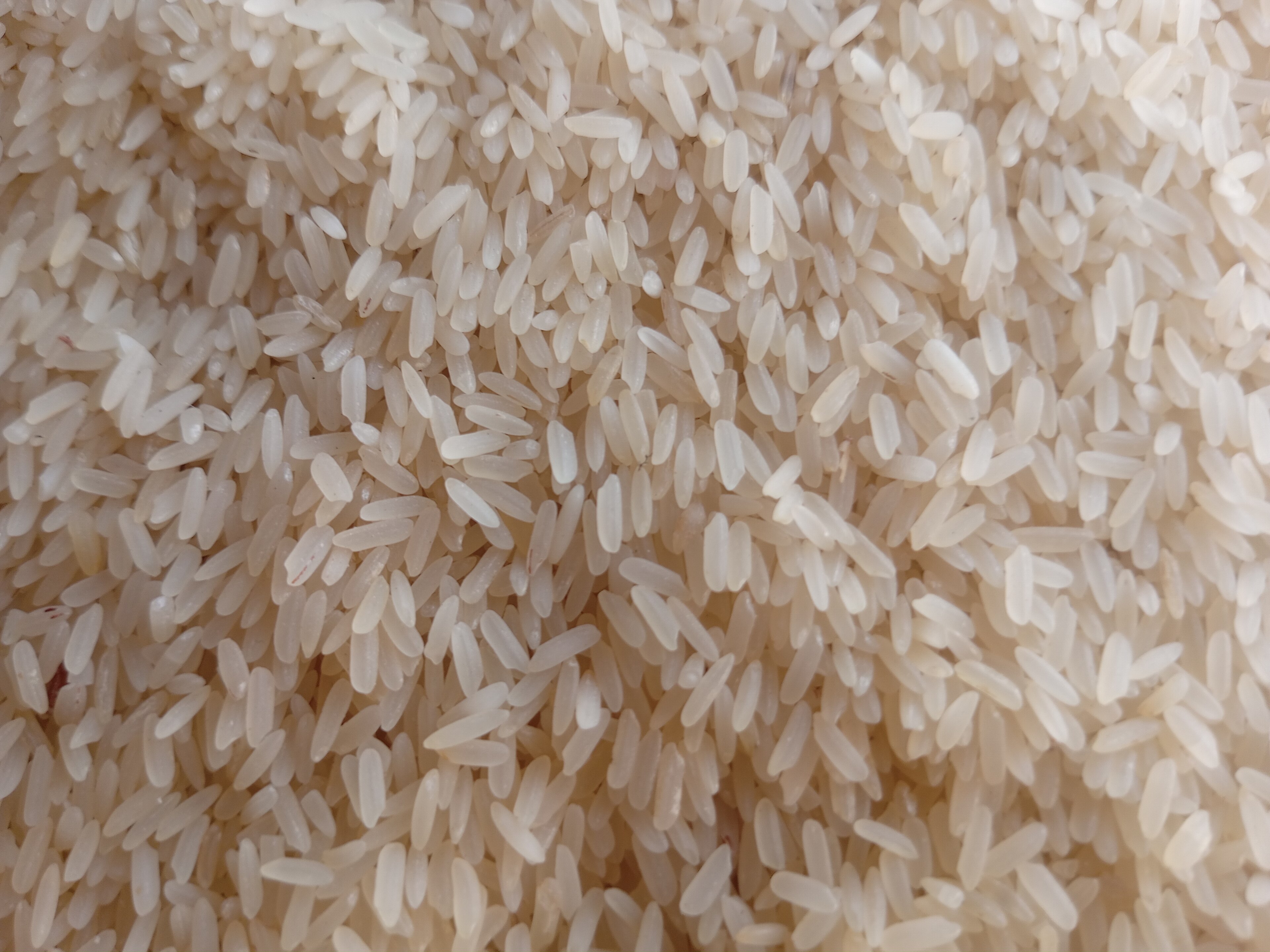
The world is holding more rice than it can easily sell, and the resulting scramble among exporters is shaping prices for the millions of households that depend on the grain. Global rice prices are expected to stay under pressure through 2026 as India, Thailand and Vietnam compete aggressively to clear surplus supplies, offering relief to price-sensitive consumers in Africa and parts of Asia, according to Milling Middle East and Africa.
India Sets the Pace
India supplies close to 40 per cent of the world's rice exports, and its record crop has pulled its prices below regional rivals, drawing buyers its way. Traders have pointed to renewed Nigerian and wider West African demand shifting toward India as the rupee weakens and Indian rice undercuts Thai and Vietnamese origins, according to S&P Global. The Food and Agriculture Organization estimates world rice output reached a record 556.4 million tonnes in the 2025/26 season, as improved yields and expanded planting in Asia offset earlier weather concerns, Milling Middle East and Africa reported.
Why Prices Still Ticked Up
The glut has not made rice uniformly cheap. Prices firmed in June, with the FAO's rice index rising 3.2 per cent on stronger Asian demand and higher transport costs, and conflict around the Red Sea and the Strait of Hormuz has pushed up freight and insurance charges for food importers, according to Procurement Resource. Some traditional buyers are also stepping back, with Indonesia and the Philippines curbing imports to protect their own farmers, which intensifies the competition for remaining markets, Milling Middle East and Africa noted.
Rice is one of the most import-dependent staples on the Nigerian table, so shifts in Indian policy and world freight rates travel straight to local shelves. FoodPrices Nigeria tracks verified rice prices across Lagos markets, where the world glut meets the weekly shop.