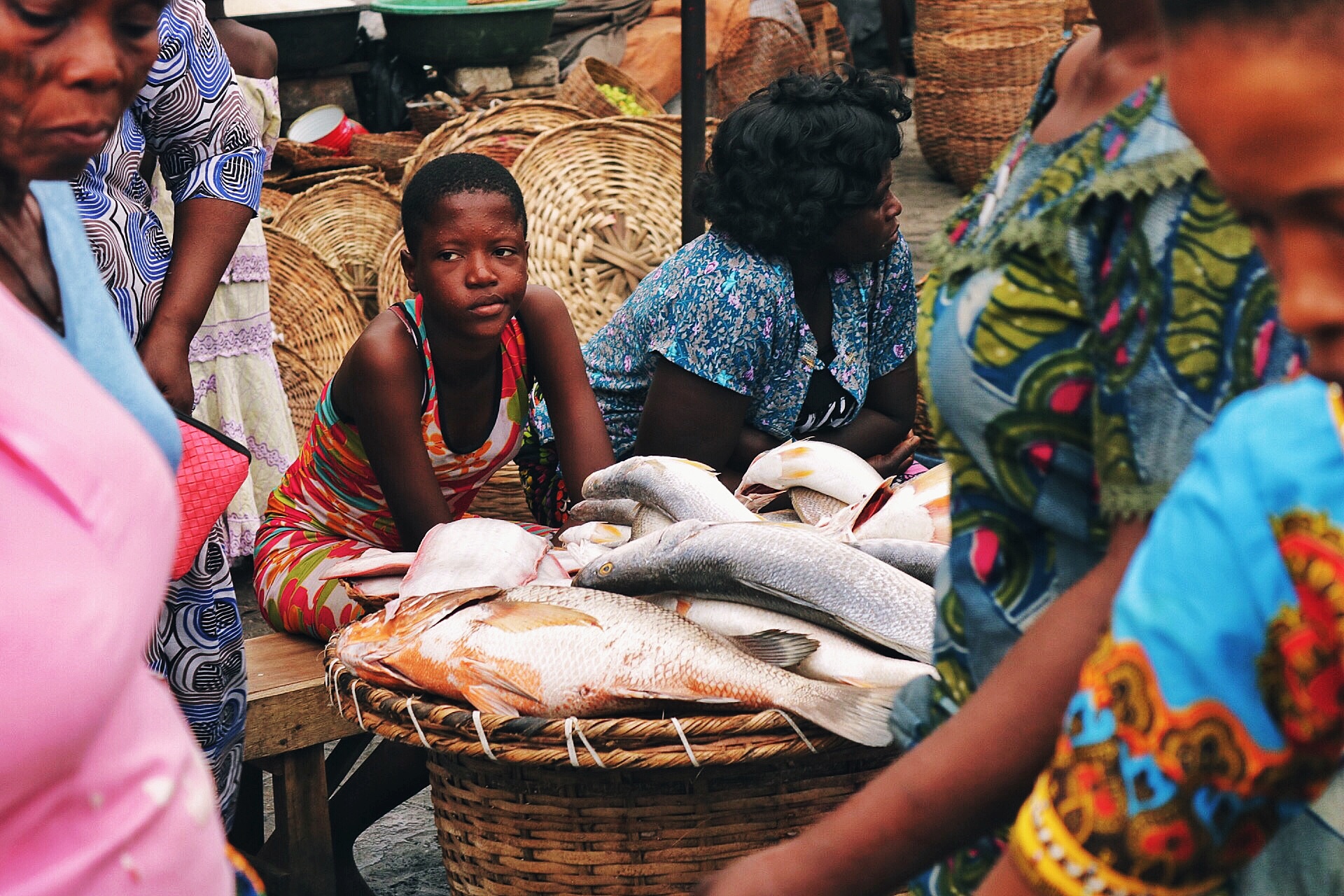
Nigeria is trying to turn one of its biggest food deficits into an investment opportunity. The Federal Government, the Food and Agriculture Organisation and the ECOWAS Commission have opened a push to attract investment capable of closing a fish supply gap of about 2.2 million tonnes a year, working through a Fisheries and Aquaculture Multi-Stakeholder Platform supported by the FISH4ACP programme, according to Leadership.
A Costly Deficit
Nigeria remains heavily dependent on imported fish despite vast marine and inland resources, and the shortfall drains scarce foreign exchange. The financing challenge is acute at the policy level, with the Minister of Marine and Blue Economy, Adegboyega Oyetola, describing his ministry's proposed ₦10.5 billion budget as grossly insufficient for the scale of reform required, according to BusinessDay. The same report noted that the marine and blue economy oversees activities responsible for more than 90 per cent of Nigeria's international trade by volume, underlining how much is at stake.
The Regional Angle
The effort is being framed as a West African one. Representing the ECOWAS Commission, Dr Djiga Thiao said fisheries and aquaculture could become major drivers of economic growth, food security, regional trade and employment across the region, and disclosed that ECOWAS was reviewing its agricultural policy for 2026 to 2030 while developing a blue economy strategy in which fisheries would form a major pillar, according to Leadership.
Private Capital Courted
The government wants private money to do the heavy lifting. Oyetola has argued that investments in aquaculture, hatcheries, feed production, processing, cold-chain logistics and export infrastructure could reduce imports, conserve foreign exchange, create more than 500,000 jobs and position Nigeria as a leading exporter of fisheries products, according to Zawya. The industrialist Aliko Dangote has backed the same vision, saying strategic investment across the fisheries value chain, supported by private-sector leadership, could strengthen food security and create over 500,000 jobs, according to MMS Plus.
Fish is one of the most affordable animal proteins in Nigerian kitchens, so a smaller import bill and stronger local supply would ease pressure on protein prices. FoodPrices Nigeria tracks verified retail prices across Lagos markets and follows the supply shifts that decide the cost of a protein-rich meal.