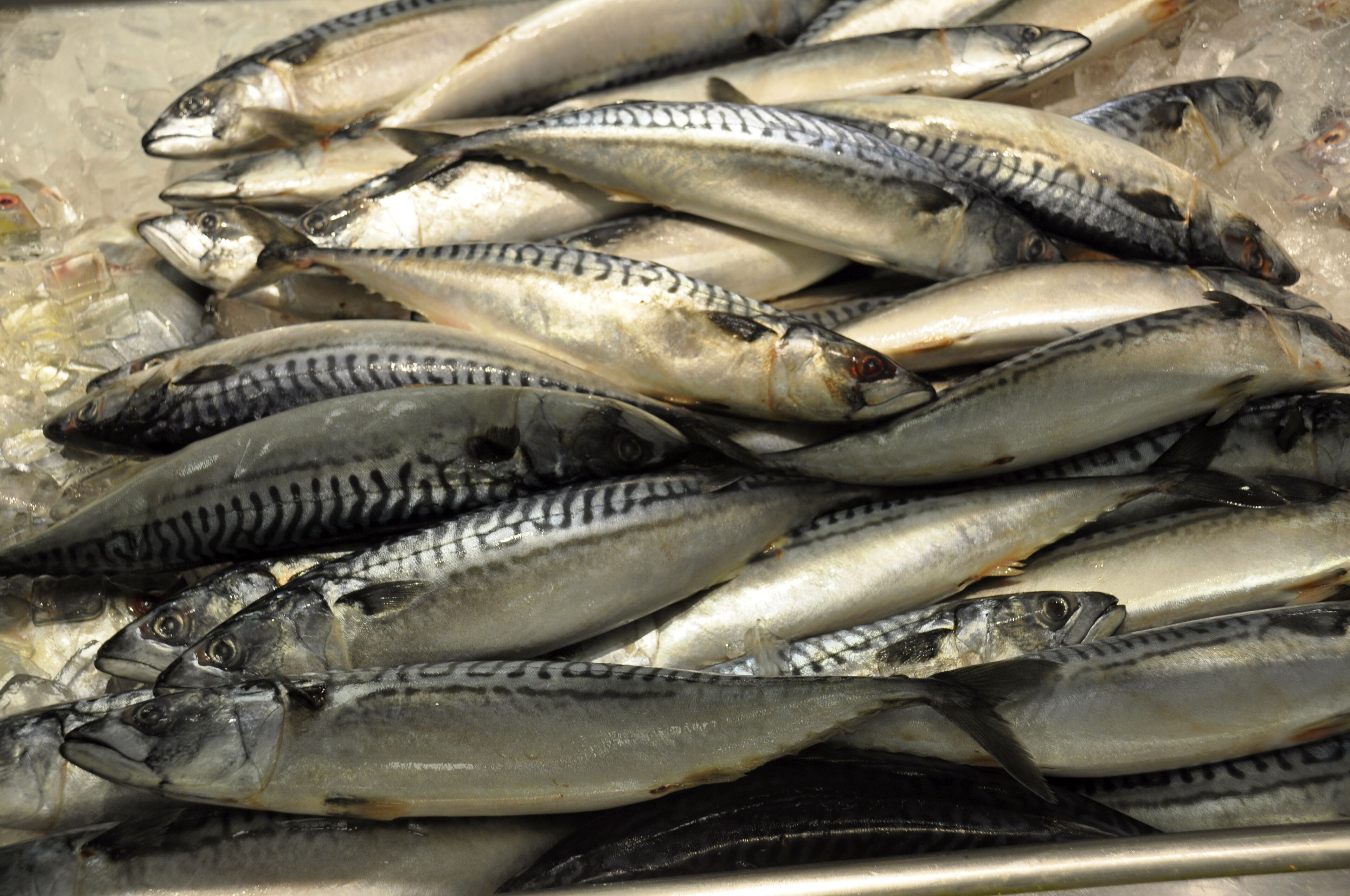
Mackerel, one of the cheapest and most important proteins on West African plates, is getting more expensive as fishing quotas in the Northeast Atlantic shrink. In May 2026 the European Union agreed to cut its mackerel catch by 48 per cent, while Russia set its own quota at 67,548 tonnes, or 22.6 per cent of the total 299,010-tonne quota, above the share allocated to it, according to Sloman Economics. That report noted that Norwegian exports have been falling on lower quotas in 2025 and lower still in 2026, intensifying competition and lifting prices.
Why It Matters for West Africa
Canned and frozen mackerel is a lifeline protein for the region. A 155-gram can delivers 20 to 25 grams of protein at a retail price of $0.50 to $1.50, making it a critical food-security product in Sub-Saharan Africa, where canned mackerel imports exceed 500,000 tonnes a year, according to Fact.MR. Nigeria ranks among the world's largest frozen mackerel importers, with supply led by Norway and China, and fisheries management decisions in the Northeast Atlantic are the key risk to availability and price, according to Tridge.
A Second Squeeze From the Pacific
The pressure is not confined to the Atlantic. When El Niño warms Pacific waters, it reduces the Chilean jack mackerel that also feeds West African markets, prompting quota cuts and spikes in the shipped price to the region, according to Global Mackerel. With forecasters watching for a strong El Niño later in 2026, both of the main mackerel streams that reach West Africa face tightening supply at once.
Frozen mackerel is among the most affordable animal proteins in Lagos markets, so tighter quotas abroad land squarely on household budgets at home. FoodPrices Nigeria tracks verified protein prices across Lagos markets, where a distant quota decision can quietly raise the cost of a family's fish