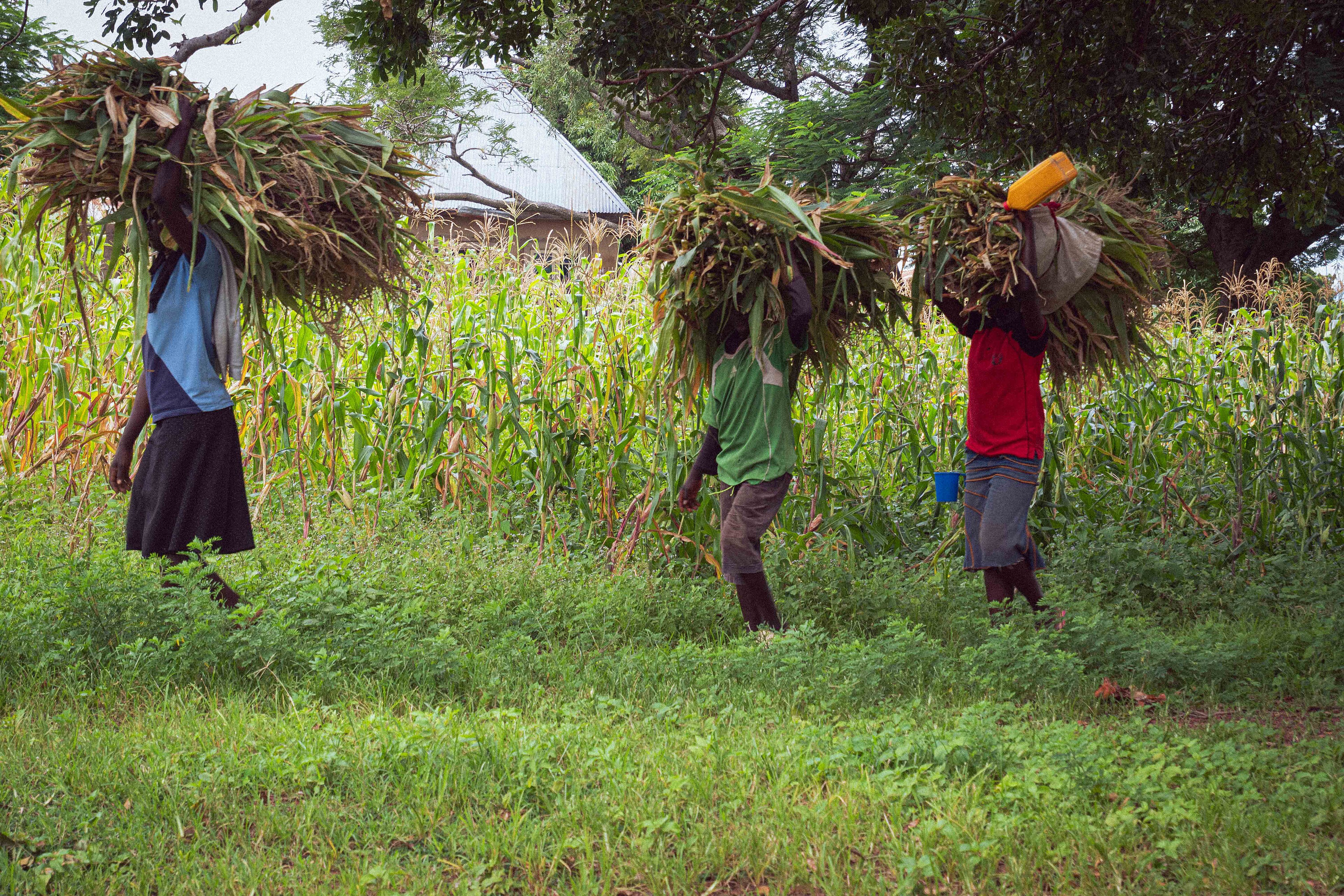
Nigeria has launched a support scheme aimed squarely at the smallholders who grow most of its food, promising them not just inputs and credit but a floor under the price they receive at harvest. The Bank of Agriculture, working with the Federal Ministry of Agriculture and Food Security and the private partner Arzikin Noma Africa, flagged off the Renewed Hope Smallholder Support and Value Chain Programme in Zaria, Kaduna State, targeting two million farmers across the country, according to The Guardian.
An End-to-End Package
The programme is designed to bundle several forms of support rather than hand out a single input. Beneficiaries are to receive structured financing, quality farm inputs, extension services, weather advisories and, critically, a Guaranteed Minimum Price mechanism intended to reduce the market risk that leaves farmers exposed to price crashes at harvest, according to The Guardian. The initiative forms part of President Bola Tinubu's Renewed Hope Agenda, which the bank says aims to transform Nigerian agriculture through deliberate investment, stronger institutions and improved access to financing, according to AgriFocus Africa.
Why a Price Floor Matters
For many Nigerian farmers, the biggest risk is not a failed harvest but a successful one that arrives when prices collapse. A guaranteed minimum price gives growers the confidence to invest in seed, fertiliser and labour, knowing there is a buyer at a known floor. The programme is meant to improve productivity, reduce market uncertainty and strengthen agricultural value chains, connecting smallholders to structured markets rather than leaving them at the mercy of middlemen, according to AgriFocus Africa.
Part of a Wider Farm-Finance Reset
The scheme lands amid a broader push to rebuild agricultural financing and ease the cost pressures squeezing households, with the National Bureau of Statistics recording food inflation of 17.52 per cent year-on-year in June 2026, according to Premium Times. It also aligns with the country's decade-long agrifood strategy under the Kampala Declaration, which shifts the emphasis from raising production alone toward value chains, resilience and market access, according to the News Agency of Nigeria. Whether the programme delivers depends, as ever, on consistent implementation and on the money actually reaching the two million farmers it names.
A guaranteed price for farmers can translate into steadier supply and calmer prices for shoppers if the harvests it encourages reach the market. FoodPrices Nigeria tracks verified retail prices across Lagos markets, the ground-level test of whether farm-support promises ease the cost of feeding a household.